
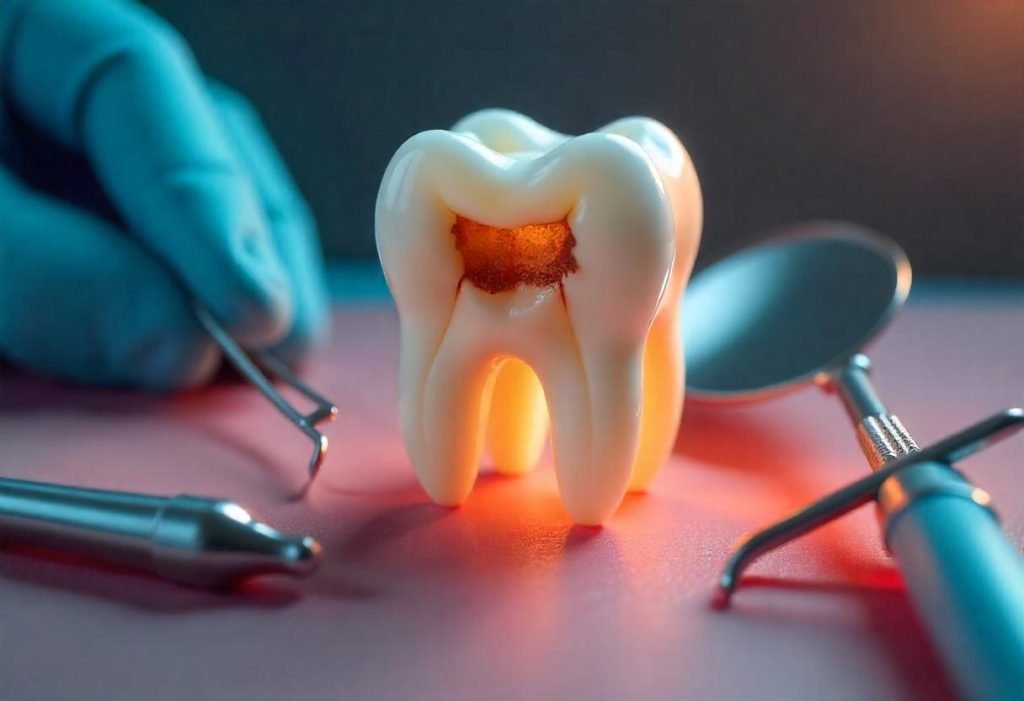
A dental restoration is any treatment that repairs or replaces damaged, decayed, or missing teeth. Restorations range from fillings and crowns to more comprehensive options like implants and dentures. People often need a restoration after tooth decay, injury, gum disease, or natural wear over time. When a tooth is lost or badly damaged, the surrounding structures can shift, and everyday tasks such as chewing and speaking often become more difficult. Choosing an appropriate restoration helps address these concerns while supporting long-term oral stability. Here’s more information on dental restorations and their benefits for oral health:
How Dental Implants Work
A dental implant is a small titanium post that a dentist or oral surgeon places into the jawbone to act as an artificial tooth root. Once the implant integrates with the bone, a custom crown attaches to the top, filling the gap left by a missing tooth. Implants are designed to work much like natural teeth, helping maintain oral function during chewing and speaking.
Because the post sits within the jaw, it also transfers pressure to the surrounding bone during use. This stimulation is associated with preserving bone density in the area, which can decline after a tooth is lost. Implants are typically a viable dental restoration option for people with adequate jawbone volume and healthy gums. Those with insufficient bone may first need a bone graft to create a stable foundation.
How Dental Bridges Support Teeth
A dental bridge is a fixed restoration that spans the space where one or more teeth are missing. This restoration consists of one or more artificial teeth, called pontics, held in place by crowns cemented onto the adjacent teeth. Bridges are appropriate for people who have healthy teeth on either side of a gap, since those teeth serve as anchors. The dentist prepares these neighboring teeth, takes impressions, and fits the completed bridge so it sits securely in the mouth. By filling the gap, a bridge helps distribute bite forces evenly, and it also reduces the tendency of nearby teeth to drift out of position.
How Dentures Maintain Functionality
Dentures are removable restorations that replace missing teeth and the surrounding tissue. Full dentures are used when all teeth in an arch are missing, while partial dentures replace several teeth when some natural teeth remain. Both types rely on a custom-fitted base that rests against the gums and, in partials, clasps onto existing teeth. Each restoration serves a distinct purpose, and the best choice depends on factors like:
- Someone’s Number of Missing Teeth
- Someone’s Bone Health
- Someone’s Personal Preferences
A dentist can evaluate these details and explain which option aligns with your situation. Full dentures restore the appearance of a complete arch, provide a surface for chewing, and support the lips and cheeks. Partial dentures fill specific gaps and help keep the remaining natural teeth from shifting. Because dentures are removable, patients can clean them separately and reinsert them for daily use. A proper fit is necessary for this restoration, so dentists often adjust dentures over time as the mouth changes.
Get a Timely Dental Restoration
Implants, bridges, and dentures are ways to restore the look and the function of your smile, and a dentist can help you understand the benefits of each. Addressing a damaged or missing tooth quickly can make treatment more straightforward and help protect the surrounding teeth and tissue. If you have concerns about decay, injury, or gaps in your smile, schedule an appointment to discuss your options. A thorough examination allows your dentist to recommend a restoration that fits your needs and outline what the process involves. Contact a dental provider today to maintain your oral health effectively.