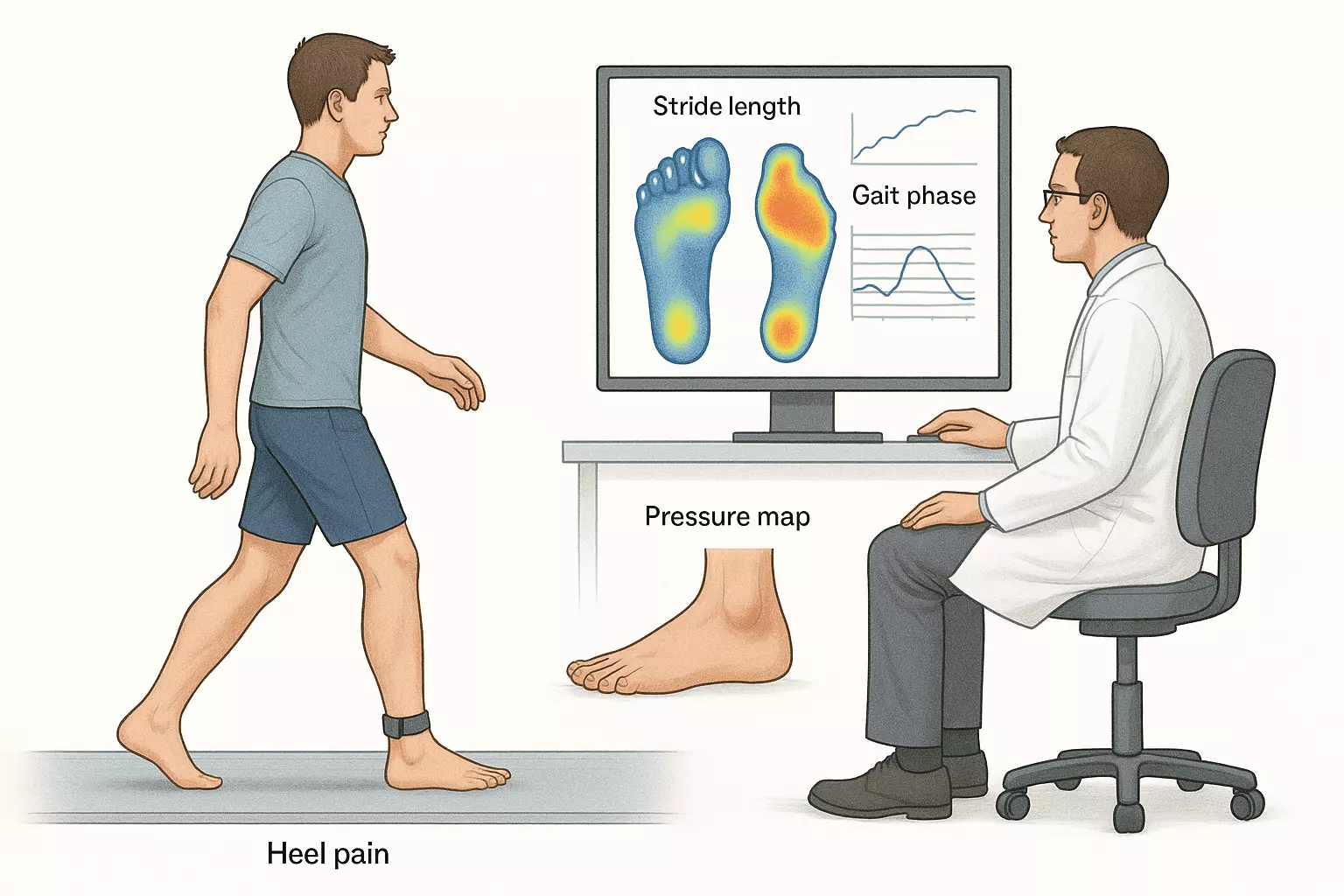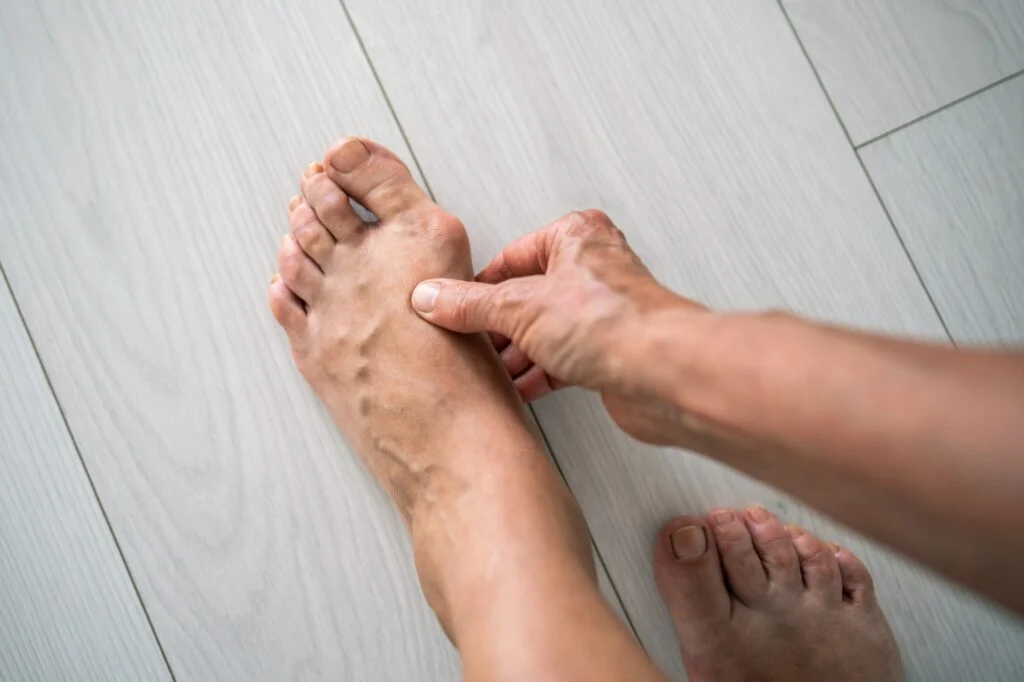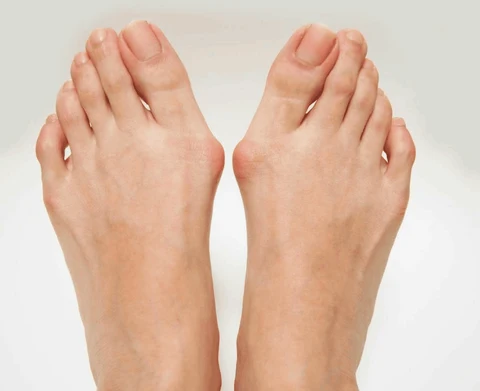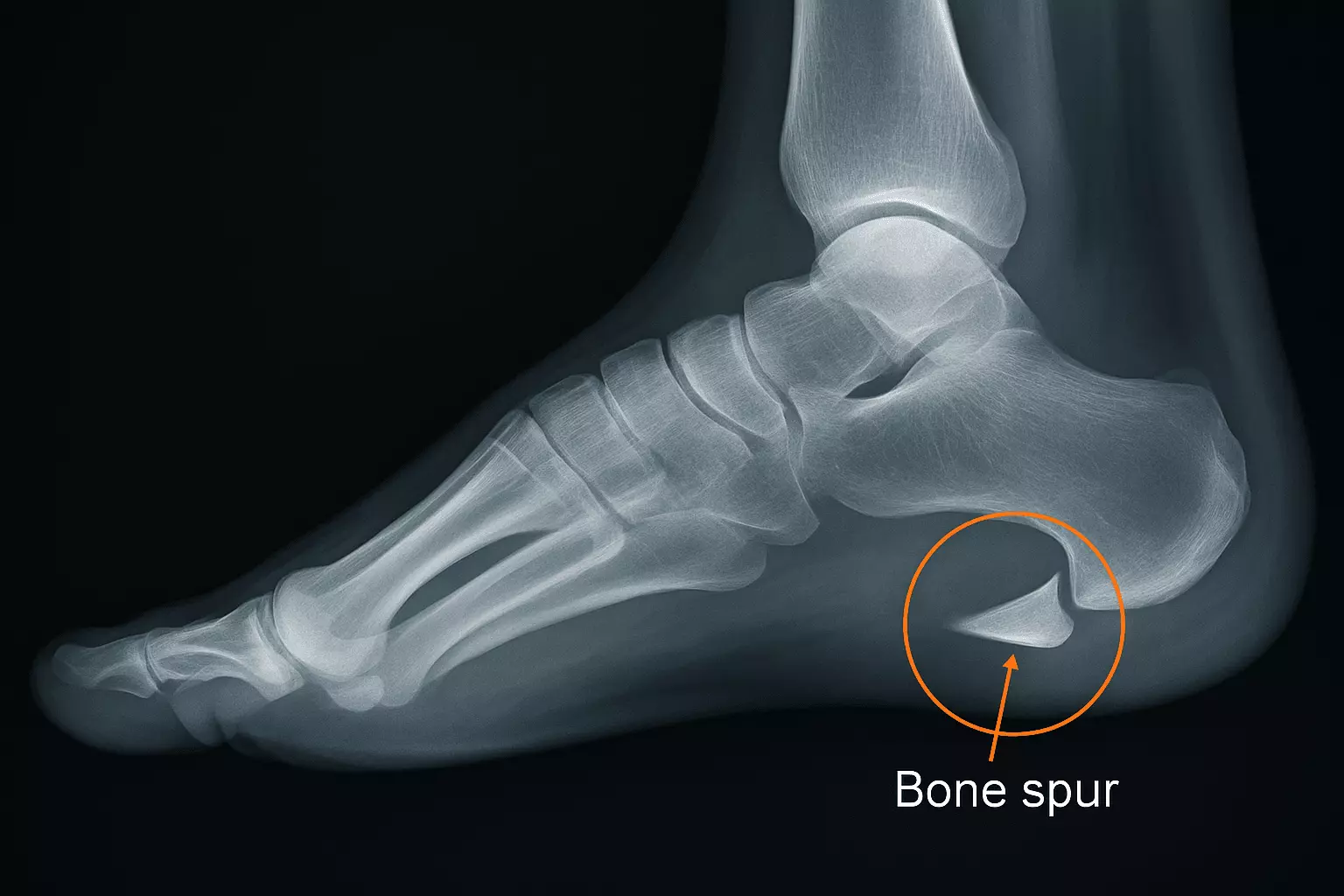
Plantar fasciitis is a common cause of heel pain that may stem from the type of footwear a person wears. Shoes with limited cushioning or poor arch support can add strain to the plantar fascia and worsen discomfort. Here is more information on the connection between plantar fasciitis and footwear choices:
Footwear and the Plantar Fascia
The plantar fascia stretches and absorbs force with every step, and your shoes either help or hinder that process. Supportive footwear distributes pressure across the foot, while poorly designed shoes concentrate stress on the heel and arch. When that stress builds up, the tissue can become irritated, and plantar fasciitis often follows.
Footwear also influences how your foot moves through each stride. Shoes with a stable structure guide the foot in a controlled motion, but flimsy shoes allow excessive rolling that pulls on the fascia. These small differences add up across hours of walking or training, and the tissue absorbs the difference.
Features That Worsen Symptoms
Certain shoe features tend to increase strain on the heel and arch. Recognizing these features helps you avoid choices that make the symptoms of plantar fasciitis harder to manage. Here are some common features that may contribute to discomfort:
- Flat soles: Thin soles offer little cushioning, so the heel absorbs the full force of each step.
- Worn-out shoes: Old footwear loses its shape and support, which shifts pressure onto the fascia.
- High heels: Elevated heels shorten the calf muscles and increase tension along the bottom of the foot.
- Loose or ill-fitting shoes: Shoes that slide allow the foot to move unnaturally, and this extra motion strains the tissue.
- Rigid toe areas: Stiff fronts force the foot to work harder during push-off, which loads the arch.
Features of Supportive Footwear
Supportive shoes share several features that ease pressure on the plantar fascia. A firm heel counter holds the heel in place, and a cushioned midsole absorbs impact through each step. Arch support keeps the foot aligned, which limits the excessive stretching that irritates the tissue.
Fit is another key factor, and it requires careful attention when you shop. Try shoes later in the day, when your feet are slightly larger, and make sure your toes have room to move. A well-fitting shoe supports natural movement, while a tight or loose one creates new problems. Different activities also require different footwear, so match your shoes to how you use them.
Insoles and Orthotics
Insoles and orthotics add support inside shoes that lack it, and they can adjust how your foot bears weight. Over-the-counter insoles offer general cushioning and arch support, while custom orthotics are personalized to your specific foot structure. The right choice depends on your needs, activity level, and symptom severity. Here are some common insole and orthotic features that you may find helpful:
- Arch support inserts: These lift and stabilize the arch, which spreads pressure more evenly.
- Heel cups: Cushioned cups cradle the heel and soften impact during each step.
- Full-length orthotics: These support the entire foot, and they suit people who need broad correction.
Schedule Your Plantar Fasciitis Evaluation
Proper foot support plays a significant role in alleviating the pain and discomfort associated with plantar fasciitis. Footwear choices affect how the plantar fascia is loaded, and the right shoes and insoles can reduce daily strain on your heel and arch. Contact a qualified podiatrist near you to schedule your plantar fasciitis evaluation today.