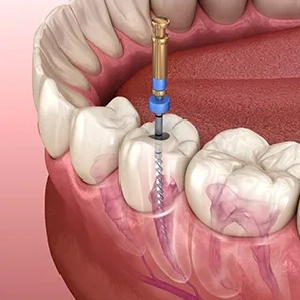
The soft center of each tooth, called the pulp, contains nerves and blood vessels. When damage or decay reaches this area, the pulp can become inflamed or infected. People may need root canals if they experience persistent tooth pain, sensitivity to hot or cold temperatures, swelling near the gums, or tooth discoloration. Root canal therapy removes infected or damaged tissue from inside a tooth. Here’s information on root canals and how they are done:
Your Dentist Numbs the Area
Before recommending treatment, your dentist examines the tooth and takes X-rays to view the pulp and surrounding bone. These images show the extent of the damage and help the dentist confirm whether root canal therapy is the appropriate treatment option. Once your dentist confirms the diagnosis, you will schedule a later appointment for treatment. Some symptoms that may need a root canal include:
- A Swollen Jaw or Gums
- A Loose Tooth
- Pain in a Tooth or the Jaw
- A Boil on the Gums
Root canals begin with numbing. Your dentist will inject a local anesthetic into the gum tissue near the affected tooth, which reduces sensation in the area throughout the procedure. After the area is numb, the dentist places a small protective sheet around the tooth. This sheet keeps the tooth clean, dry, and isolated from the rest of the mouth, working like a dam.
Your Dentist Creates a Hole
With the tooth numbed and isolated, your dentist creates a small opening in the top of the tooth. This access point allows the dentist to reach the inner structures where the pulp is located. Using specialized instruments, the dentist removes the infected or damaged pulp from the pulp chamber and the root canals. They can then clean and shape the interior of the tooth. The dentist washes the interior tooth canals with a disinfecting solution to remove bacteria and debris, then shapes each canal so it can be filled properly.
Your Dentist Fills the Inner Tooth
After the canals are clean and dry, the dentist fills the inner tooth with a rubbery dental material called gutta-percha. This material fills the space left behind by the removed pulp and helps prevent bacteria from re-entering the canals. The dentist places a filling to seal the access opening with a temporary or permanent filling, but a tooth that has undergone a root canal often needs a final restoration.
A crown restoration can protect the remaining natural tooth and support normal function. Because the tooth no longer contains living pulp, it can become more brittle over time, and a restoration such as a dental crown helps guard against fractures. The crown restores the tooth’s shape, allowing you to bite and chew with the treated tooth. Your dentist will discuss the restoration type best suited to your tooth’s location and condition.
Learn More About Root Canals
A root canal follows a clear sequence of steps to remove damaged tissue, clean the tooth’s interior, and seal it for lasting protection. Knowing what happens at each stage can make the appointment more predictable and help you know what to expect. If you have questions about root canals, contact your dentist today. Schedule a consultation so a professional can review your symptoms, examine the affected tooth, and explain your options. From the initial examination and numbing to the final restoration, your dentist works to preserve the natural tooth whenever possible.
- Choosing a Heart Blockage Treatment Hospital: Emergency Care, Procedures and Long-Term Support
- Exploring the Benefits of Family Dentistry for All Ages
- The Role of TMS Therapy in Managing Anxiety Disorders
- The Role of Foot and Ankle Specialists in Sports Injury Recovery
- What To Expect During Your First Gynecologist Appointment