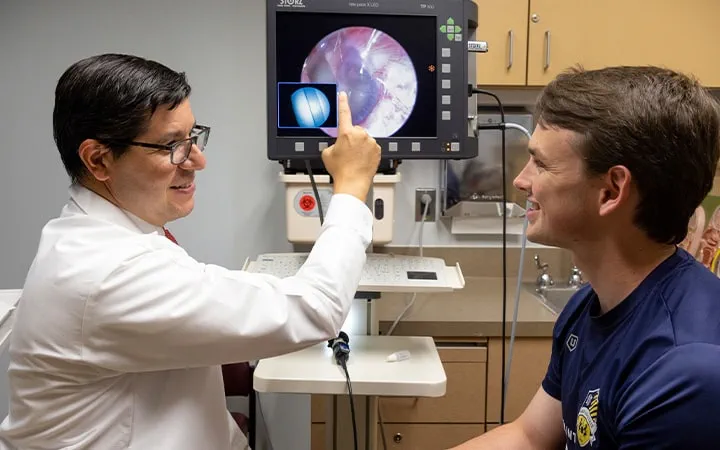
Choosing a qualified sinus surgeon can help you receive appropriate treatment and reliable care throughout the surgical process. Fundamental factors to evaluate include the surgeon’s training, experience, and approach to sinus conditions. Here is an overview of what to look for in a qualified sinus surgeon:
Verify Professional Credentials
A qualified sinus surgeon holds specific medical training that prepares them for procedures inside the nasal and sinus cavities. Most sinus specialists are otolaryngologists, often called ear, nose, and throat (ENT) specialists, and some complete extra fellowship training in rhinology. You can review a surgeon’s education and licensing before you schedule your first appointment. Here are a few helpful details to check:
- Fellowship training: Signals advanced focus in rhinology or sinus and skull-base surgery.
- Active state licensing: Shows the surgeon is authorized to practice in your area.
- Hospital privileges: Indicates that a facility has reviewed and approved the surgeon’s work.
Ask how often the surgeon performs the procedure you may need because frequency often reflects familiarity.
Assess the Treatment Approach
A skilled sinus surgeon reviews your full history before recommending any procedure. During your consultation, the surgeon may examine your nasal passages, order imaging, and ask about past treatments you have tried. This methodical approach helps confirm whether surgery is a fit for your situation, and it also rules out options that have not been fully explored.
Pay attention to how a surgeon explains your choices. A clear conversation about risks, expected recovery, and alternatives shows respect for your decision, and it helps you weigh surgery against continued medication. When a surgeon answers your questions directly, you gain the information you need to move forward objectively.
Review Surgical Outcomes
Surgical outcomes offer a practical measure of a surgeon’s experience. Some practices track data on complication rates, revision surgeries, and patient recovery, and reviewing this information helps you set realistic expectations. Ask the sinus surgeon how they measure success because a straightforward answer reflects transparency. You may also request references or case examples that relate to your condition. A surgeon who openly discusses both successes and challenges demonstrates honesty, and that candor builds trust before you commit.
Evaluate Follow-Up and Support
Care does not end when the procedure finishes. Recovery from sinus surgery involves scheduled check-ins, cleaning of the nasal passages, and monitoring for any complications, so strong follow-up support plays a key role. A sinus surgeon who outlines the recovery timeline clearly helps you prepare for each stage. Here are a few factors that support reliable aftercare:
- Clear post-operative instructions: Written guidance on medication, activity, and warning signs.
- Accessible communication: A direct way to reach the office when you have questions.
- Scheduled follow-up visits: Planned appointments to monitor healing and address concerns.
- Coordinated care team: Nurses and staff who support the surgeon and answer routine questions.
Consult a Sinus Surgeon Today
Selecting the right sinus specialist is key to promoting optimal care and recovery. It requires checking credentials, reviewing treatment approach, examining outcomes, and evaluating follow-up support. Each factor gives you a clear sense of who can address your symptoms and guide your recovery. Contact a qualified sinus surgeon near you to schedule your consultation today.
- How To Prepare for Your Joint Injection Appointment
- Benefits of Using Invisalign Over Braces
- Why Medical AI Needs Diverse, Ethically Sourced Medical Imaging Data (and How to Get It)
- Sewer Backup Cleanup Companies: A Homeowner’s Guide for Emergencies
- The Role of Family Dentistry in Maintaining Oral Health