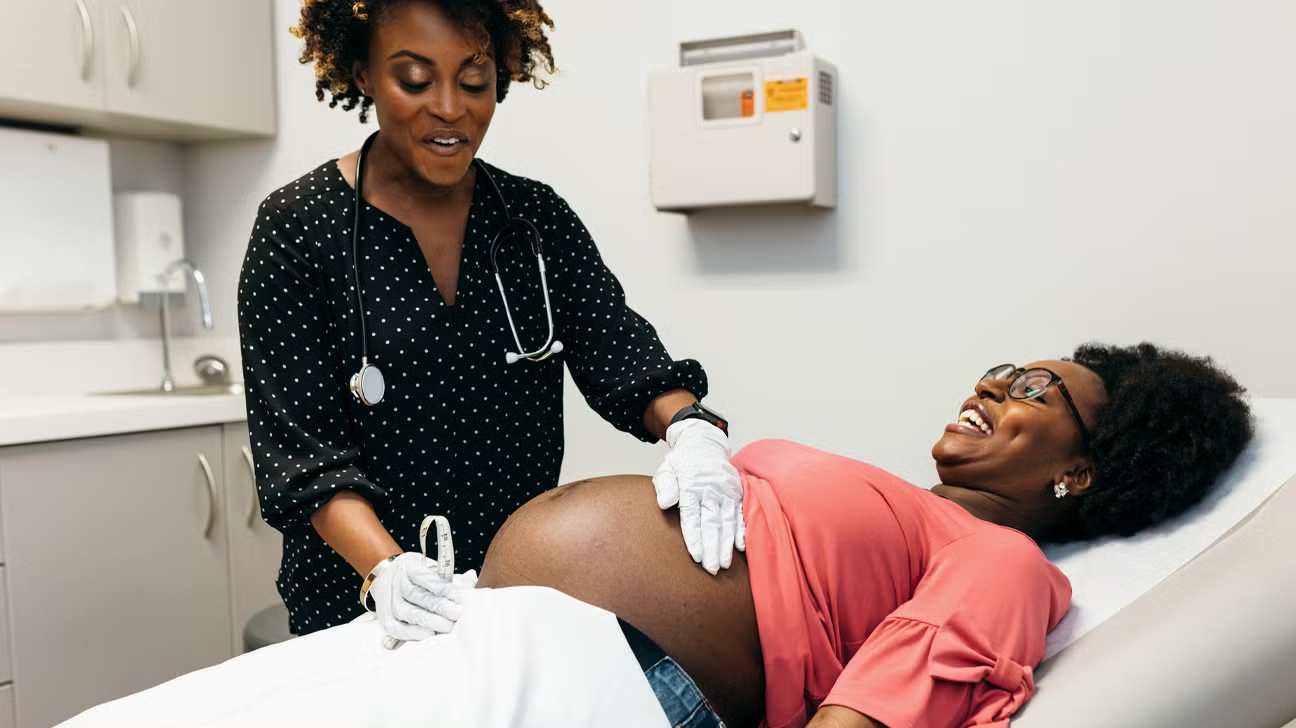

Discussing personal symptoms, sexual health, menstrual concerns, or reproductive issues may be uncomfortable. Open communication with a gynecologist supports accurate diagnosis and appropriate care. Preparing questions and sharing relevant information honestly can help patients address sensitive concerns. Here is a closer look at how to discuss sensitive topics with your gynecologist:
Prepare for the Conversation
Preparation reduces stress, and it helps you use your appointment time well. Write down your questions before you arrive, and keep the list somewhere you can reach easily. Certain records give your gynecologist a clear picture of your health. Here are key details to gather ahead of your appointment:
- Symptom notes: Track when symptoms started, how often they occur, and what makes them better or worse.
- Medication list: Include prescriptions, supplements, and birth control, so your provider sees the full picture.
- Menstrual details: Note cycle length, flow changes, and any irregularities you have observed.
- Family history: List relevant conditions, because they influence screening recommendations.
Discuss Sensitive Concerns
Women often hesitate to discuss topics like pain during intimacy, unusual discharge, or changes in mood. Your gynecologist has heard these concerns several times, and direct language helps them respond accurately. Instead of hinting at a problem, name it plainly, and you will get a clear answer. Saying “I have had pain in a specific area for two weeks” gives more to work with than a vague description.
Timing also affects how the conversation unfolds. Addressing your most pressing concern early in the visit can make sure it receives full attention before time runs short. When you save a sensitive topic for the final minute, the discussion often feels rushed, and follow-up questions may go unanswered.
Protect Your Comfort and Privacy
Comfort influences how openly you speak, and your choices can improve the experience. You may request a chaperone during an exam or ask questions while fully clothed before any physical assessment begins. These options exist to support you, and most practices honor such requests without hesitation. Understanding how your information stays confidential is key, and it may ease worry about disclosure. Keep these points in mind:
- Confidentiality standards: Providers follow strict rules that limit who can access your records.
- Private conversations: You may ask staff to step out, so you speak with your gynecologist alone.
- Consent for sharing: Your written permission is usually required before records go to another party.
- Note preferences: You may ask how sensitive details get documented in your file.
Speak up if any part of a visit feels uncomfortable, and your provider can adjust the pace.
Build Open Communication
A strong relationship with your gynecologist develops over time, and consistency plays a large role. Seeing the same provider across several visits builds familiarity, and that familiarity can make sensitive discussions more routine. Honesty supports accurate guidance, and withholding details can limit the care you receive. Share your habits, concerns, and questions openly, even when a topic feels awkward. Your provider uses this information to tailor recommendations, and complete answers lead to better-informed advice. Feedback works in both directions during appointments. Tell your gynecologist what helps you feel at ease, and ask how you can prepare for future visits.
Consult a Local Gynecologist Today
Sensitive topics become manageable when you prepare notes, speak directly, protect your comfort, and build steady communication with your provider. These steps help you address concerns about reproductive health, pregnancy, preventive care, menopause, and general wellness with greater ease. A trusted gynecologist supports you through every stage of life, and open dialogue makes that support more effective. Contact a qualified gynecologist in your locality to schedule your consultation today.