
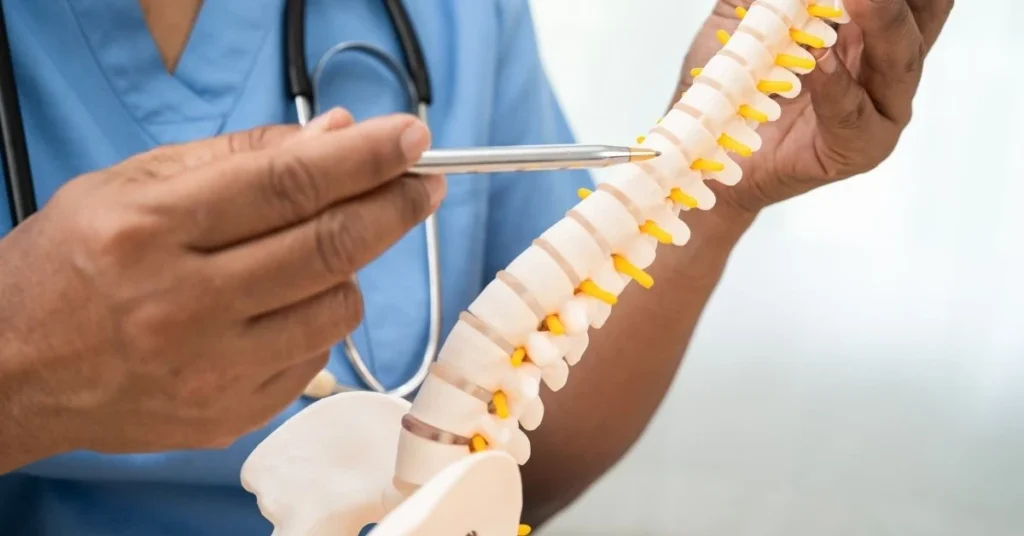
Back pain affects many adults at some point in their lives. The pain resolves with rest or conservative treatment for some, and for others, back pain continues over weeks or months and begins to interfere with work, sleep, and routine tasks. When symptoms do not improve with nonsurgical approaches, a physician may discuss whether spine surgery is a suitable option.
What Causes Back Pain?
Back pain can stem from problems affecting the bones, discs, nerves, or muscles of the spine. Recognizing the underlying source helps physicians select an appropriate course of care, whether it is resolved with conservative or surgical treatment. Several conditions are frequently linked to ongoing back discomfort, and these include:
- Disc Herniation: The soft discs between the vertebrae can bulge or rupture, pressing on nearby nerves, and this pressure causes pain that radiates into the arms or legs.
- Disc Degeneration: As people age, spinal discs lose water content and flexibility, and this gradual wear may lead to stiffness and aching in the back.
- Spinal Stenosis: This condition involves a narrowing of the spaces within the spine, which places pressure on the spinal cord and nerves.
- Spondylolisthesis: One vertebra slips forward over the one below it, and the shift can compress nerves and produce lower back pain.
- Scoliosis: An abnormal sideways curve of the spine may contribute to discomfort, particularly as the curvature progresses.
Muscle strains, poor posture, and repetitive movements can also add to back discomfort. A thorough evaluation, often including imaging tests, helps identify which factors are at play.
What Is Spine Surgery?
Spine surgery refers to a group of procedures designed to treat problems affecting the spinal column and surrounding nerves. The general aim is to stabilize the spine, or it can correct structural issues that contribute to pain and limited mobility. Surgery is usually discussed after nonsurgical treatments have been tried. These conservative measures can include physical therapy and medication. When these approaches do not bring adequate relief, or when a condition threatens nerve function, a surgeon may recommend an operation.
Modern spine surgery includes both traditional open techniques and minimally invasive methods. Minimally invasive procedures use smaller incisions and specialized instruments, and this can shorten recovery time for suitable candidates. The choice of approach depends on certain factors, such as the specific diagnosis and the location of the problem.
What Are the Types of Surgery?
Surgeons use several procedures to address different spinal conditions, and they may be traditional or minimally invasive in nature. Regarding recovery and expected outcomes, each procedure carries its own factors. The following are common procedures:
- Discectomy: This procedure removes part or all of a damaged disc that is pressing on a nerve.
- Laminectomy: During this operation, the surgeon removes a small section of bone called the lamina to create more space and relieve pressure on the spinal cord or nerves.
- Disc Fusion: In this procedure, two or more vertebrae are joined together to reduce motion at a painful segment.
- Disc Replacement: A damaged disc is removed and replaced with an artificial one, which may preserve movement at that segment of the spine.
A surgeon can review relevant details with the patient before any decision is made.
Confer With a Neurosurgeon
A neurosurgeon may evaluate the spine’s structure, review imaging results, and explain the cause of a person’s symptoms. This specialist works with each patient to outline treatment paths, and this can begin with nonsurgical options. Speaking with a neurosurgeon gives individuals a clearer understanding of their diagnosis, helping patients understand the range of choices available for managing back pain.
- Understanding the Role of Pediatric Orthopedic Specialists in Children’s Health
- Navigating the Process of STD Testing
- When Should You See an Orthopedic Specialist for Hand Pain?
- Understanding the Different Types of Chemical Peels and Their Uses
- The Science of Skin Elasticity: Unlocking Youthful Texture with Bioactive Peptide Complexes