
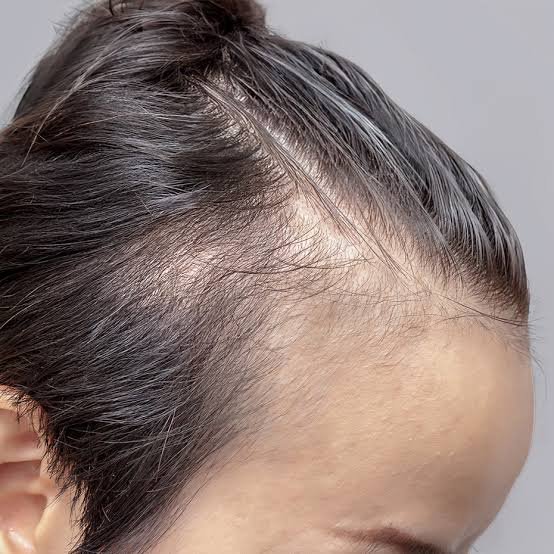
A follicular unit extractor is a specialized tool that removes individual hair follicles from a donor area of the scalp, and hair restoration specialists use it to relocate those follicles to areas with thinning hair. This device supports a technique known as follicular unit extraction, or FUE, which allows providers to transplant hair one follicular unit at a time. The result is a targeted approach to hair restoration that works with your natural growth patterns. Here is more information about this approach to treating hair loss:
What Is Hair Loss?
Hair loss refers to a reduction in the amount of hair on the scalp or body. In many cases, it develops gradually, though some people experience a rapid onset. Men and women can both experience hair loss, but the patterns and underlying reasons sometimes differ between the two groups. Genetics plays a role in hair loss because inherited traits can affect how follicles respond to hormones over time. The following factors can contribute to thinning hair over time:
- Hormonal shifts
- Certain health conditions
- Medications
- Stress
In men, hair loss frequently follows a pattern that begins at the hairline or crown, and in women it often appears as diffuse thinning across the scalp. There are various treatments for hair loss; among them is follicular unit extraction, or FUE.
What Are the Early Signs?
Early symptoms of hair loss vary from person to person, but a few signs are fairly common. You might see more hair than usual on your pillow or in the shower drain, and this is one indicator that hair loss is occurring. Some people notice that their ponytail feels thinner or that their scalp becomes more visible under bright light. A widening part, a receding hairline, or thinning patches are some other signs. Identifying these changes early gives you more time to explore your options because addressing thinning sooner may mean more follicles remain in the donor area.
What Is Follicular Unit Extraction?
Follicular unit extraction is a hair restoration technique that moves healthy follicles from one part of the scalp to another. Because the technique works with individual units, it does not require the removal of a strip of scalp. Here’s how the process works:
- Your provider will identify a suitable donor area, typically at the back or sides of the head where follicles tend to be more resistant to thinning.
- Using a follicular unit extractor, the specialist carefully removes individual follicular units, each containing a small group of hairs.
- The extracted follicles are then cleaned and prepared for transplantation.
- Tiny incisions are made in the target area to receive the new follicles.
- The follicles are inserted into the incisions.
Find a FUE Provider Today
Hair loss affects both men and women, and it can stem from genetics, hormones, health conditions, or other factors. Early symptoms may include increased shedding, a widening part, or visible thinning across the scalp. If your hair loss is in the early stages, a provider can offer a combination of treatments to address the early signs. For questions about FUE hair restoration and other techniques, schedule an appointment with a hair restoration specialist today.
- How To Prepare for Your Joint Injection Appointment
- Benefits of Using Invisalign Over Braces
- Why Medical AI Needs Diverse, Ethically Sourced Medical Imaging Data (and How to Get It)
- Sewer Backup Cleanup Companies: A Homeowner’s Guide for Emergencies
- The Role of Family Dentistry in Maintaining Oral Health




