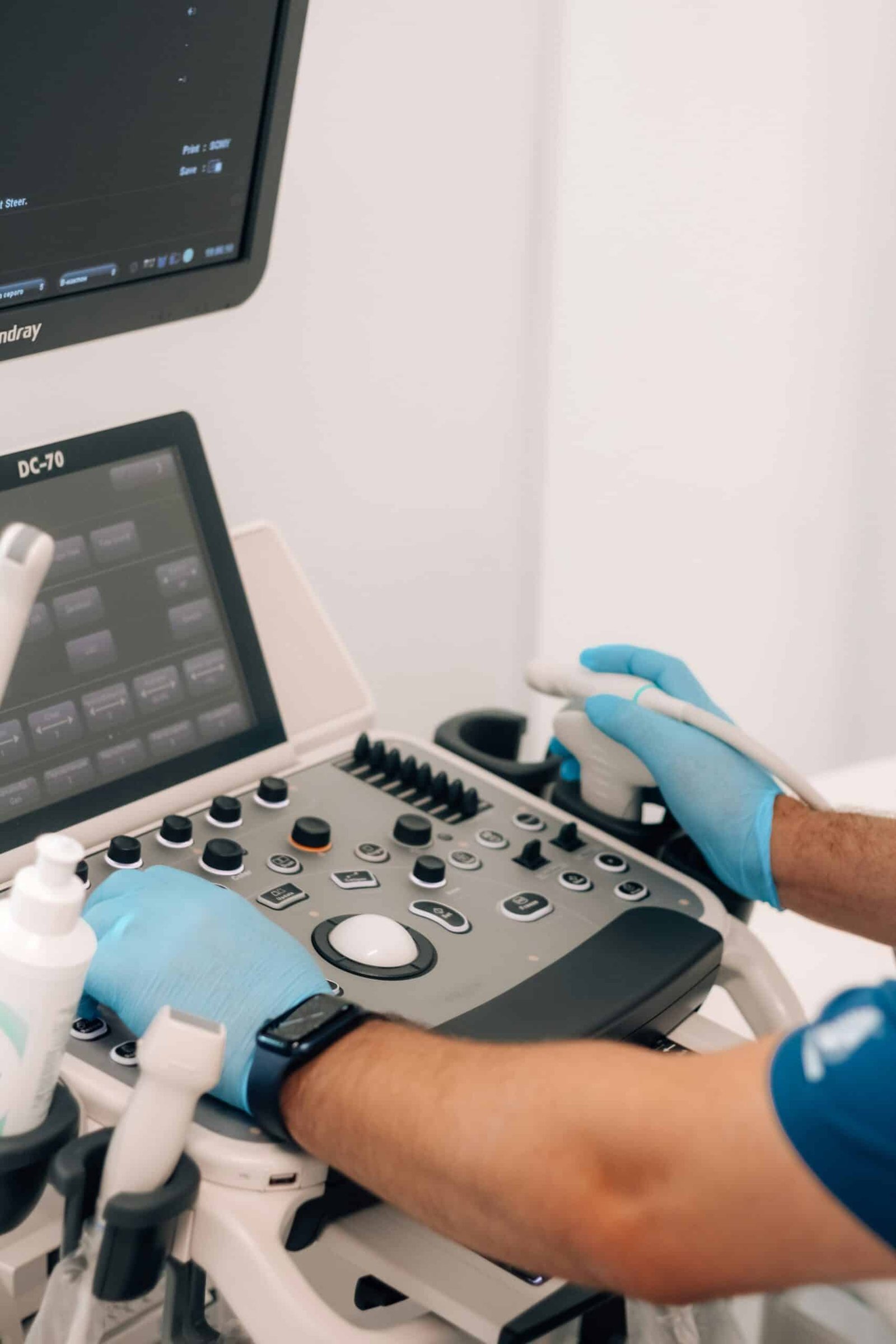
Obstetrics is the branch of medicine focused on pregnancy, childbirth, and recovery afterward. An obstetrician monitors your health and your baby’s development, and they guide you through each stage. When you understand what happens at each milestone, you feel more prepared for the visits ahead. Here are some key milestones throughout pregnancy:
First Trimester
The first trimester covers weeks one through 13. Your obstetrician confirms the pregnancy, and they schedule an early ultrasound to check for a heartbeat. Because your body adjusts to new hormone levels during this period, you may notice fatigue or nausea. Blood tests screen for your blood type, iron levels, and certain infections.
Early appointments set the foundation for the months ahead. Your provider reviews your medical history, and they discuss any medications you take. When you attend these visits on time, your care team tracks your baseline health accurately. Regular checkups at an obstetrics clinic begin now.
Second Trimester
Many people find the second trimester more comfortable than the first. Weeks 13 through 26 bring steadier energy, and your appetite often returns. Because your baby grows quickly during this stage, your obstetrician measures fundal height at each visit. A detailed anatomy scan around week twenty examines the organs and spine.
This trimester includes several standard screenings. Your provider checks for gestational diabetes, and they monitor your blood pressure closely. When results fall outside normal ranges, your care team adjusts your plan. You may feel the first flutters of movement around this time.
Typical second-trimester milestones include:
- Next ultrasound
- Gestational diabetes screening
- Optional genetic testing
- First noticeable fetal movement
Third Trimester
The third trimester spans weeks 27 through birth. Visits grow more frequent, and your obstetrician tracks the baby’s position carefully. Since the final weeks demand closer monitoring, you typically attend appointments every two weeks, then weekly. Your provider measures growth and listens to the heartbeat at each visit.
Preparation becomes the focus now. Your team reviews your birth preferences, and they explain signs of early labor. When you know which symptoms need attention, you can have informed responses. A strep may occur during this period.
Watch for these signs as your due date nears:
- Regular, timed contractions
- Water breaking
- Reduced fetal movement
- Persistent back pain
Final Delivery
Delivery marks the end of your pregnancy and the start of postpartum care. Your obstetrician manages labor, and they decide between vaginal birth and cesarean based on your situation. Since every labor unfolds differently, your team monitors both you and your baby throughout. Pain relief options remain available during the process.
After birth, attention shifts to recovery. Nurses check your bleeding and vital signs, and they help you with early feeding. When complications appear, your obstetrician steps in quickly. A follow-up visit takes place a few weeks later.
The postpartum period includes its own checkpoints. Your provider examines healing, and they screen for mood changes. Since recovery takes time, you rest as your body adjusts. Contact your care team with any concerns during these weeks.
Find Obstetrics Near You
Each trimester brings specific tests, scans, and conversations with your provider. When you attend appointments on schedule, your care team follows your progress step by step. Obstetric care combines routine monitoring with support tailored to your needs, and that structure carries you from conception through recovery. Search for an obstetrics practice near you, and book your first appointment today.
- Choosing a Heart Blockage Treatment Hospital: Emergency Care, Procedures and Long-Term Support
- Exploring the Benefits of Family Dentistry for All Ages
- The Role of TMS Therapy in Managing Anxiety Disorders
- The Role of Foot and Ankle Specialists in Sports Injury Recovery
- What To Expect During Your First Gynecologist Appointment