Chronic sinus problems can interfere with daily life. Medications alone may not bring relief, and an ear, nose, and throat specialist will discuss surgical options. One such option is balloon sinuplasty, a minimally invasive procedure designed to open blocked sinus passages.
What Is a Balloon Sinuplasty?
Balloon sinuplasty is a minimally invasive procedure used to widen the openings of the sinuses. The sinuses are hollow, air-filled spaces, and they are located within the bones of the face and skull. When these openings become narrowed or blocked, mucus can accumulate and lead to discomfort.
During the procedure, a surgeon guides a thin, flexible tube called a catheter into the affected sinus passage. A small balloon attached to the catheter is then gently inflated. This inflation expands the passage, and it reshapes the surrounding tissue. Once the opening has been widened, the balloon is deflated and removed.
The technique works by expanding existing openings, rather than removing tissue. It is less invasive than traditional sinus surgery. Many procedures are performed in an outpatient setting, and some may take place under local anesthesia depending on the individual case.
What Is It Used For?
Balloon sinuplasty is primarily associated with chronic sinusitis. Chronic sinusitis refers to inflammation of the sinuses that lasts for an extended period, often 12 weeks or longer, and does not fully improve with standard treatments. People who experience ongoing sinus-related symptoms may be evaluated for this procedure, including:
- Nasal congestion or a blocked feeling in the nose
- Facial pressure or tenderness around the cheeks, eyes, or forehead
- Reduced sense of smell
- Thick nasal discharge
- Recurring sinus infections
A specialist can recommend balloon sinuplasty after other approaches have been tried without sufficient results. The procedure may not be suitable for every type of sinus condition, and a full evaluation helps determine whether it is an appropriate option.
What Are the Risks and Benefits?
As with any medical procedure, balloon sinuplasty carries both potential advantages and possible risks. No medical procedure is entirely without risk, so understanding potential complications can be beneficial. Possible risks associated with sinus surgery include temporary swelling, mild discomfort, minor bleeding, and infection. To mitigate these risks and safeguard your well-being, your surgeon utilizes precise endoscopic techniques for highly accurate visualization of the delicate sinus pathways. They will also establish a comprehensive, personalized recovery plan to monitor your healing closely and manage any concerns promptly.
Reported benefits can include a shorter recovery period compared to traditional procedures, minimal removal of tissue or bone, reduced bleeding during and after the procedure, and the possibility of returning home the same day in an outpatient setting. Because tissue is preserved, some patients experience a quicker return to normal activities. Individual outcomes will vary based on factors such as overall health and the severity of the sinus condition.
Confer With an Otolaryngologist
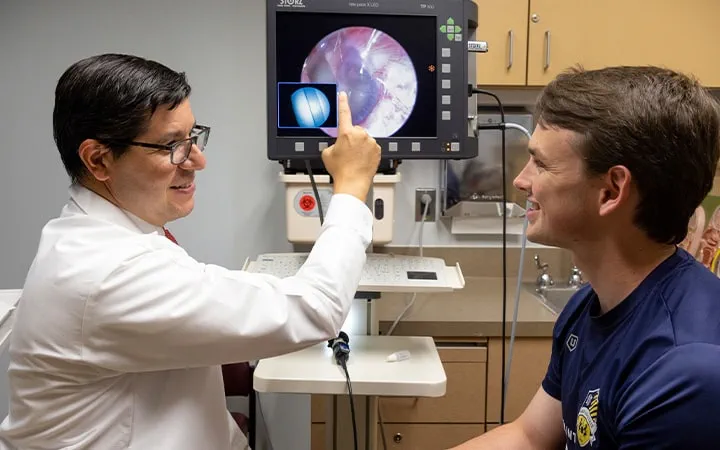
An otolaryngologist is the type of specialist who evaluates and treats sinus conditions. During an evaluation, the specialist will examine your nasal passages, and they can order imaging tests. These steps help determine the source of your symptoms and whether balloon sinuplasty or another approach may fit your needs. Every sinus condition is different, and treatment decisions depend on your individual anatomy and health. A qualified specialist can provide personalized guidance and help you understand what to expect before, during, and after any recommended procedure.
- How To Prepare for Your Joint Injection Appointment
- Benefits of Using Invisalign Over Braces
- Why Medical AI Needs Diverse, Ethically Sourced Medical Imaging Data (and How to Get It)
- Sewer Backup Cleanup Companies: A Homeowner’s Guide for Emergencies
- The Role of Family Dentistry in Maintaining Oral Health