Bunions are a common podiatric condition, and they cause persistent discomfort that interferes with everyday activities. Classified as a progressive deformity of the first metatarsophalangeal (MTP) joint, bunions develop when the structural alignment of the foot is compromised. Podiatrists assess bunion severity, which enables them to recommend appropriate interventions. The right pair of shoes can help manage pain and slow the condition’s progression. Here is more information on what bunions are and which shoe features provide the most relief:
What Are Bunions?
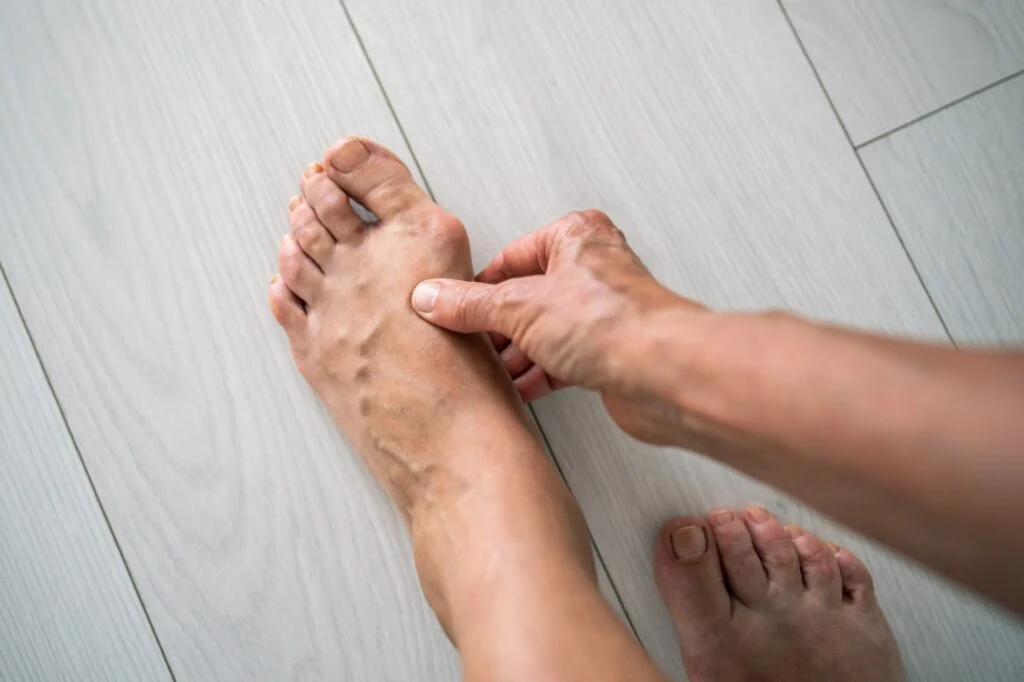
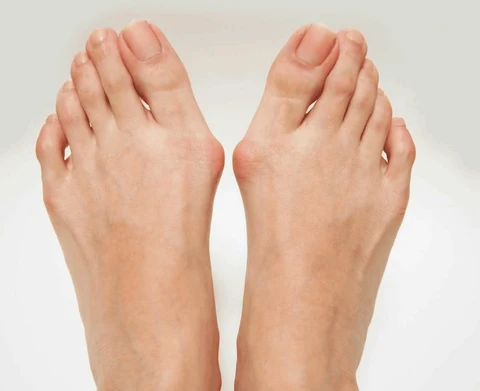
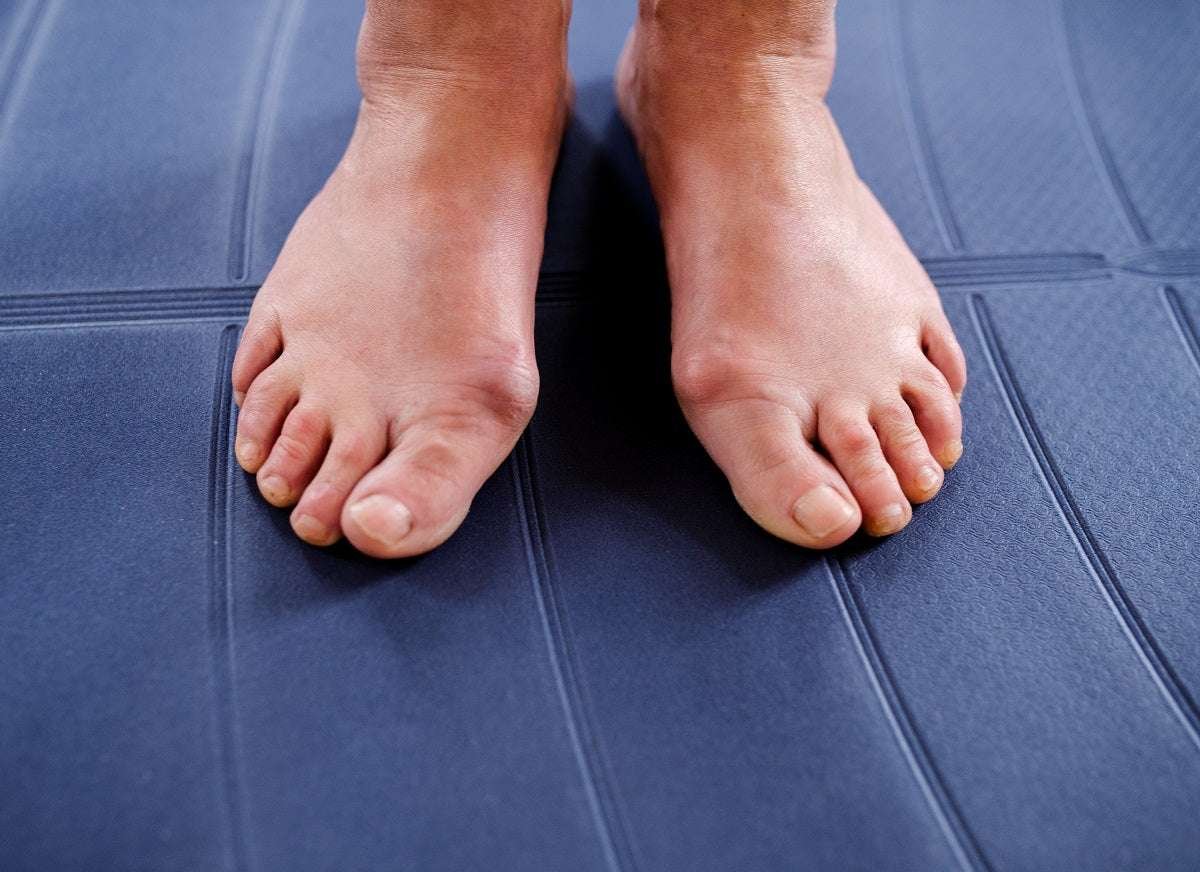
A bunion is a bony protrusion that forms at the base of the big toe, which is where the toe meets the foot. It develops when the bones in the front of the foot shift out of alignment. This pushes the big toe toward the smaller toes. Over time, this causes the joint to jut outward, forming the characteristic bump. Left unaddressed, bunions can progressively worsen, and they sometimes require surgical intervention.
What Causes Them?
Genetic factors represent a primary cause of bunion development. Individuals with a family history of the condition are at higher risk, and inherited structural abnormalities of the foot often underlie the condition. Because footwear with narrow toe boxes or elevated heels places excessive pressure on the metatarsophalangeal joint, inappropriate shoe selection accelerates joint misalignment.
While mechanical pressure is a primary driver, inflammatory joint diseases like rheumatoid arthritis can also alter joint structure and stability. Prolonged occupational standing on hard surfaces further increases the risk of joint stress. Early identification of these factors is key to effective clinical management, and timely intervention can successfully slow the progression of the deformity.
What Are the Symptoms?
The primary clinical symptom is a visible bony protrusion at the base of the big toe. Since this joint is misaligned, the surrounding skin may become red, swollen, and tender. Patients may report persistent localized soreness; this pain has the potential to intensify after prolonged weight-bearing activity.
As the condition advances, the big toe gradually drifts toward the second digit. When the toes rub against one another, friction causes calluses or corns to develop, and these areas can become highly sensitive. Advanced progression may result in a reduced range of joint motion and localized numbness.
What Shoes Help Alleviate Pain?
Choosing the right footwear is an effective non-surgical approach to bunion pain management. Look for the following features when selecting footwear:
- Wide toe box: Provides adequate space for the toes to spread without crowding the joint.
- Low heel: Minimizes forward pressure on the toes and distributes body weight more evenly across the foot.
- Firm arch support: Stabilizes the foot and reduces strain on the big toe joint.
- Cushioned insoles: Absorb impact during walking, reducing stress on the affected joint.
Specialized therapeutic footwear provides structural support for individuals with bunions. Custom orthotics prescribed by a podiatrist can enhance the fit of off-the-shelf footwear by correcting specific biomechanical imbalances.
Find Relief Today
Bunions are a progressive condition, but the right footwear choices can reduce pain and slow their development. A wide toe box, low heel, firm arch support, and cushioned insoles are the features to prioritize when selecting shoes. If your symptoms persist or worsen despite footwear adjustments, a podiatrist can assess your foot structure and recommend additional interventions, including custom orthotics. Speak with your podiatrist today about a footwear plan tailored to your specific condition.
- Understanding the Role of Pediatric Orthopedic Specialists in Children’s Health
- Navigating the Process of STD Testing
- When Should You See an Orthopedic Specialist for Hand Pain?
- Understanding the Different Types of Chemical Peels and Their Uses
- The Science of Skin Elasticity: Unlocking Youthful Texture with Bioactive Peptide Complexes