
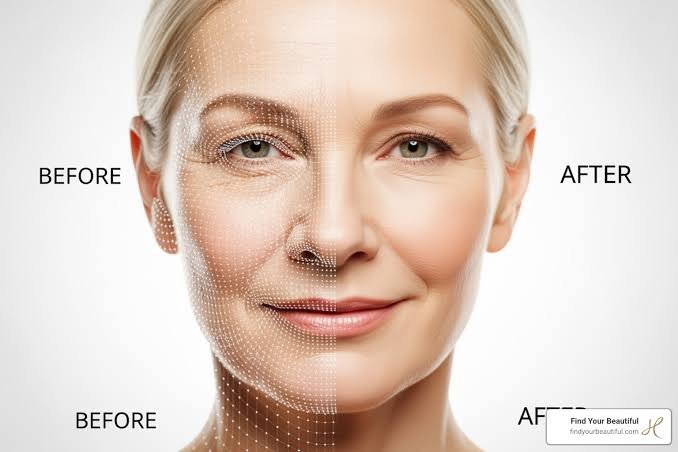
Visible signs of aging include sagging skin, deep facial folds, jowls, and reduced definition along the jawline and neck. A facelift can reposition underlying tissues and remove excess skin to create a smooth, firm, and refreshed appearance. Here is more information on how a facelift can address common signs of aging:
Lifting Sagging Facial Skin
Facial skin loses elasticity over time, and gravity gradually pulls the tissue downward. A facelift lifts the loose skin, and the surgeon repositions the underlying structures to create a smoother surface. Several factors contribute to skin laxity, and understanding them helps you set realistic expectations. Here are some common causes surgeons review during an assessment:
- Collagen decline: The body produces less collagen as it ages, reducing skin firmness.
- Volume loss: Fat pads in the face shift and shrink, so the skin has less support.
- Sun exposure: Ultraviolet light breaks down elastic fibers over many years.
- Repetitive movement: Daily facial expressions create long-term creasing.
Reviewing these factors gives you a clear picture of why sagging develops and how a facelift addresses it.
Softening Deep Facial Folds
Deep folds form as the skin descends and the tissue underneath loses volume. The nasolabial folds, which run from the nose to the corners of the mouth, are among the most noticeable. A facelift can soften their appearance by repositioning the tissue that causes them. The procedure does not erase every line, but it reduces the depth of the folds that respond to lifting.
Marionette lines, which extend downward from the mouth, also tend to deepen with age. A surgeon addresses these areas by tightening the supportive layer, and the overlying skin then settles into a smoother position. This approach targets structural sagging rather than surface-level fine lines, so it works best on folds that come from tissue descent. Some patients combine a facelift with other treatments to refine the outcome, and a consultation helps you understand which combination suits your goals.
Defining the Jawline
A blurred or sagging jawline is a clear marker of facial aging. The procedure lifts and tightens the tissue along the lower face, which sharpens the border between the jaw and the neck. When the surgeon removes excess skin here, the jawline appears more defined.
Jowls form when skin and fat sag below the jaw; they can make the lower face look heavier. A facelift repositions this displaced tissue, resulting in a cleaner and more angular contour. Here are key elements surgeons evaluate before recommending a plan:
- Skin quality: Firmer skin tends to hold its new position better.
- Fat distribution: Excess fat below the jaw may need direct treatment.
- Bone structure: The underlying framework influences the final contour.
- Muscle tone: The platysma muscle in the neck influences the lower face.
A tailored approach can be developed to achieve optimal and natural-looking results by carefully reviewing these factors.
Smoothing Neck Laxity
The neck often ages alongside the face, and loose skin or visible banding can undermine an otherwise youthful appearance. A facelift, when extended to the neck, tightens the skin and repositions the muscle to create a smooth line from the chin downward. This combined approach keeps the results consistent across the lower face and neck. Vertical neck bands come from the platysma muscle, and they become more prominent as the muscle separates over time. A surgeon can tighten this muscle during the procedure, making the neck appear firmer and more contoured.
Schedule Your Facelift Consultation Today
A facelift addresses several signs of aging; it works by lifting sagging skin, softening deep folds, defining the jawline, and smoothing neck laxity. The surgeon repositions and tightens the underlying tissue to restore firmer contours. Understanding how the procedure targets these concerns helps you determine whether it aligns with your goals. Contact a certified plastic surgeon near you to schedule your facelift consultation today.
- How To Prepare for Your Joint Injection Appointment
- Benefits of Using Invisalign Over Braces
- Why Medical AI Needs Diverse, Ethically Sourced Medical Imaging Data (and How to Get It)
- Sewer Backup Cleanup Companies: A Homeowner’s Guide for Emergencies
- The Role of Family Dentistry in Maintaining Oral Health




