An optometrist can examine, diagnose, and manage conditions related to your eyes and vision. Optometrists provide guidance on eye care and may refer you to a specialist when a condition requires further attention. They perform eye exams, prescribe corrective lenses, and detect signs of eye disorders. Understanding what happens during a visit can help you prepare for the examination process. Here’s what to expect during a visit with an optometrist:
When To Visit One
Many people schedule an eye exam when they notice changes in their vision, but regular visits are fundamental even without symptoms. Adults with healthy eyes often benefit from an exam every one to two years, while those who wear glasses or contact lenses may need more frequent appointments. Besides routine eye exams, you should book a visit with an optometrist if you experience symptoms like:
- Blurry Vision
- Frequent Headaches
- Eye Strain
- Night Blindness
Children also benefit from routine eye exams, since clear vision supports learning and development. People with a family history of eye conditions may want to schedule appointments more often, as well as those who spend long hours looking at screens.
What Your Exam Entails
A comprehensive eye exam involves several steps that assess your vision and the overall condition of your eyes. When you arrive, the optometrist will typically review your medical history and ask about any symptoms or concerns you have noticed. The exam usually begins with questions about your daily activities, work environment, and any current prescriptions. The optometrist will then check how well you see using a chart with letters of varying sizes.
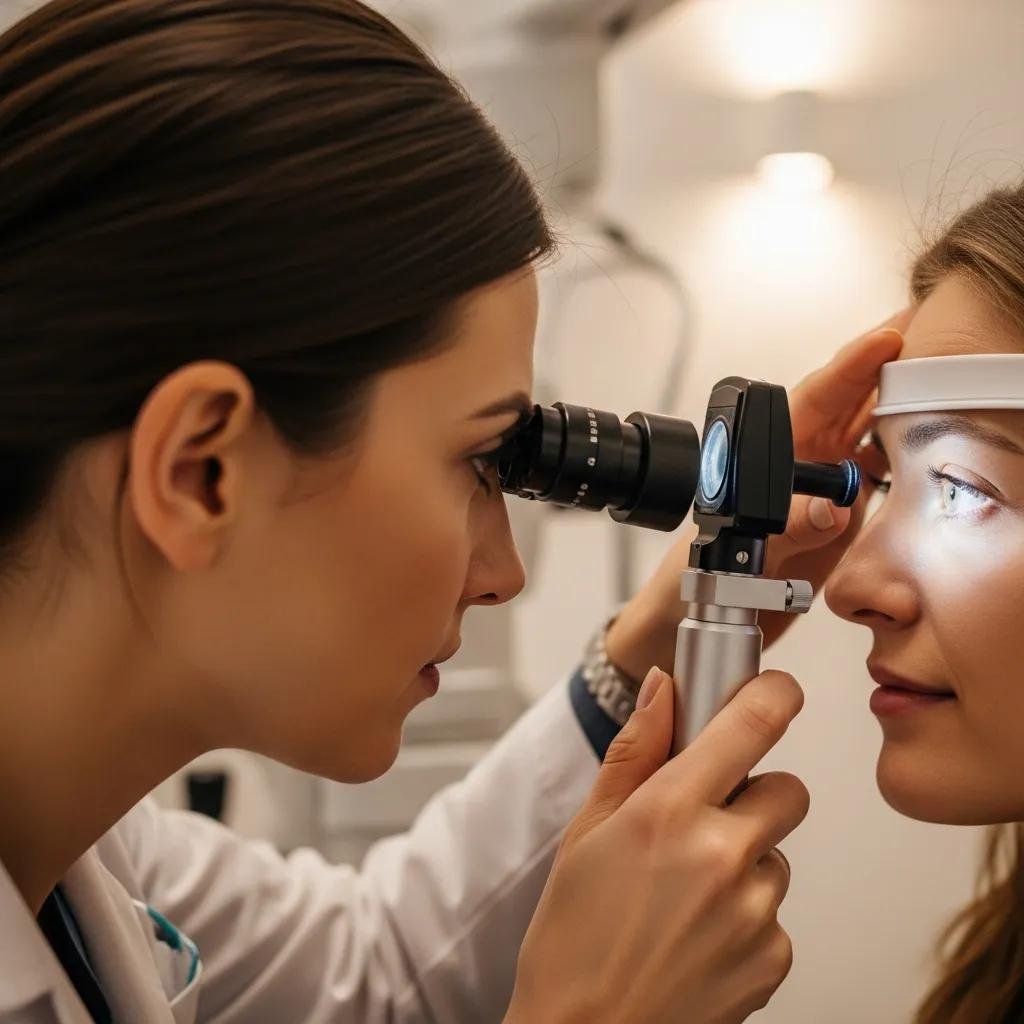
You may look through a device called a phoropter, which contains different lenses, and you will indicate which options make text appear clearest. The optometrist may also examine how your eyes move, focus, and work together. Bright lights and specialized instruments allow them to look closely at the structures inside and around your eyes. The entire process is generally straightforward, and you can ask questions at any point during the appointment.
What Screenings To Expect
Several screenings are included in a routine eye exam, and you can ask about specialty screenings, such as a diabetic eye screening. Your provider will examine your retinas, which are the tissues at the back of your eyes. A visual acuity test measures how clearly you see at various distances using a standardized chart of letters. With a refraction assessment, your provider can determine the exact prescription needed for glasses or contact lenses. Some other common screening tests include:
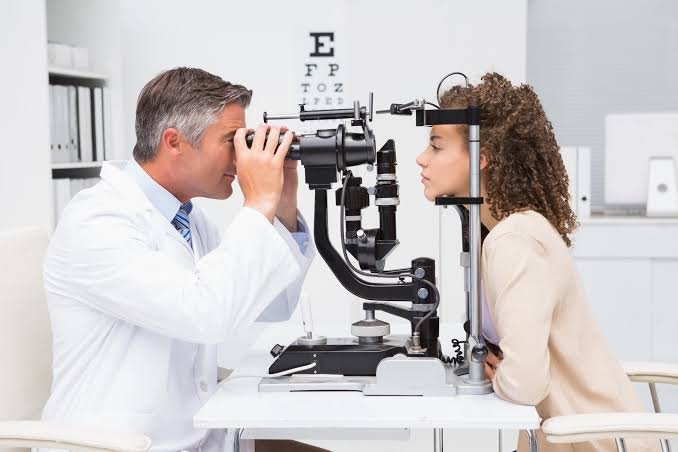
- Slit-lamp Examination: Uses a microscope with a bright light to view the front portion of your eyes, including the cornea and lens.
- Tonometry Test: Measures the pressure inside your eyes, which provides useful information about certain conditions.
- Peripheral Vision Test: Checks how well you see objects at the edges of your field of view. The specific screenings included in your exam depend on your age, health history, and any symptoms you report.
Find an Optometrist Near You
When choosing an optometrist, think about factors such as location, availability, and the range of services offered. Many clinics allow you to book appointments online or by phone, making the process more convenient. Take the time to find an optometrist near you so you can prioritize your vision and get consistent eye care.
- Understanding the Role of Pediatric Orthopedic Specialists in Children’s Health
- Navigating the Process of STD Testing
- When Should You See an Orthopedic Specialist for Hand Pain?
- Understanding the Different Types of Chemical Peels and Their Uses
- The Science of Skin Elasticity: Unlocking Youthful Texture with Bioactive Peptide Complexes