
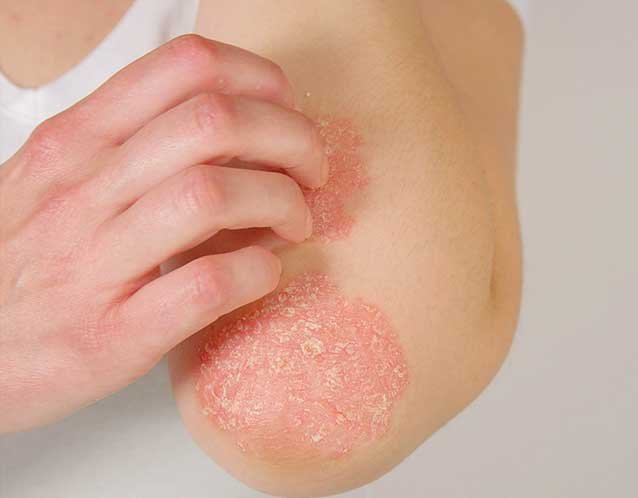
Eczema is a chronic skin condition that causes dryness, itching, inflammation, and discomfort, affecting both physical well-being and daily life. Understanding its triggers, symptoms, and management options can help individuals reduce flare-ups and protect their skin. Here are several ways to navigate the effects of eczema:
Recognizing Physical Symptoms
Eczema symptoms often begin with dryness, and they may progress to redness, itching, and rough or scaly patches. Some people experience small bumps that leak fluid when scratched, while others develop thickened skin after repeated flare-ups. Symptoms may range from mild to severe and vary by age, season, or body location. Recognizing these signs early is helpful, and it allows you to respond before a flare-up worsens. When you track how your skin looks and feels, you build useful information that a dermatologist can review.
Managing Daily Disruptions
Eczema can disrupt sleep, work, and daily routines, and the constant urge to scratch makes it difficult to concentrate. The following habits can limit the daily interruptions caused by eczema:
- Moisturize regularly: Apply a fragrance-free moisturizer after bathing to lock in hydration and reduce dryness.
- Choose soft fabrics: Wear cotton and other breathable materials, which are less likely to irritate sensitive skin.
- Keep nails short: Trimmed nails reduce skin damage from scratching and lower the risk of further irritation.
- Manage room temperature: Cool and humid air may soothe the skin, while overheating tends to increase itching.
These adjustments can make daily life with eczema more manageable.
Identifying Common Triggers
Triggers are substances or conditions that cause eczema to flare, and they differ from person to person. Some triggers relate to the environment, while others come from products, foods, or stress. When you identify your personal triggers, you can avoid them and reduce the frequency of flare-ups. Here are some common eczema triggers:
- Harsh soaps and detergents: Strong cleansers strip natural oils, and they leave skin dry and reactive.
- Allergens: Pollen, pet dander, and dust mites may trigger itching in sensitive individuals.
- Weather changes: Cold and dry winter air and hot summer days often worsen symptoms.
- Stress: Emotional pressure may influence flare-ups.
Once you identify these triggers, you can plan around them and protect your skin more effectively.
Controlling Eczema Long Term
Long-term control depends on consistency, and it combines daily care with professional guidance. A dermatologist reviews your history, examines your skin, and recommends a plan tailored to your needs. Long-term care often blends prevention with response. Prevention includes daily moisturizing, trigger avoidance, and gentle cleansing, while response focuses on treating flare-ups as they appear. Regular checkups also support long-term control. As your skin changes with age or the season, your care routine may need updates, and a dermatologist can guide you through those changes.
Schedule Your Eczema Evaluation Today
Eczema affects the skin through dryness, itching, and flare-ups, and understanding it makes the condition easier to manage. You can significantly reduce symptoms and improve your quality of life by identifying triggers and staying vigilant during flare-ups. Contact a qualified dermatologist near you to schedule your eczema evaluation today.
- How To Prepare for Your Joint Injection Appointment
- Benefits of Using Invisalign Over Braces
- Why Medical AI Needs Diverse, Ethically Sourced Medical Imaging Data (and How to Get It)
- Sewer Backup Cleanup Companies: A Homeowner’s Guide for Emergencies
- The Role of Family Dentistry in Maintaining Oral Health




