
Joint pain can change the way you move through an ordinary day. Walking, climbing stairs, or reaching for an object becomes slower, and it may become more difficult over time. When damage to a joint reaches a point where daily activity feels limited, robotic-assisted joint replacement surgery is one option that orthopedic specialists can discuss with patients.
What Is Joint Replacement For?
Joint replacement is a surgical procedure in which a damaged joint is removed and replaced with an artificial part. These implants are made from materials such as metal, plastic, or ceramic; they are designed to mimic the movement of a natural joint. The procedure is generally discussed after other approaches have been tried. Many patients first work through non-surgical options, which may include physical therapy, medication, activity changes, or assistive devices.
When these methods no longer provide relief and joint function continues to decline, a surgeon can talk about replacement as a next step. Each case is different, and outcomes depend on many factors that a surgeon reviews with the patient beforehand. Several conditions can lead to joint damage over time. Common contributors include:
- Arthritis: A gradual wearing down of cartilage that cushions the joint
- Injury or Trauma: Such as fractures that damage the joint surface
- Stress and Wear: From repeated stress on a specific joint
The general goal of joint replacement is to reduce discomfort and support smoother movement, allowing a person to return to routine activities.
What Joints Can Be Replaced?
Many joints in the body may be treated with replacement surgery, but some procedures are performed more often than others. The choice depends on the joint affected, the extent of the damage, and the person’s overall health. There are a few commonly replaced joints, such as:
- Hip: Hip replacement addresses damage that limits standing, walking, and other weight-bearing movement.
- Knee: A replacement may involve the entire joint or only part of it, depending on where the damage is located.
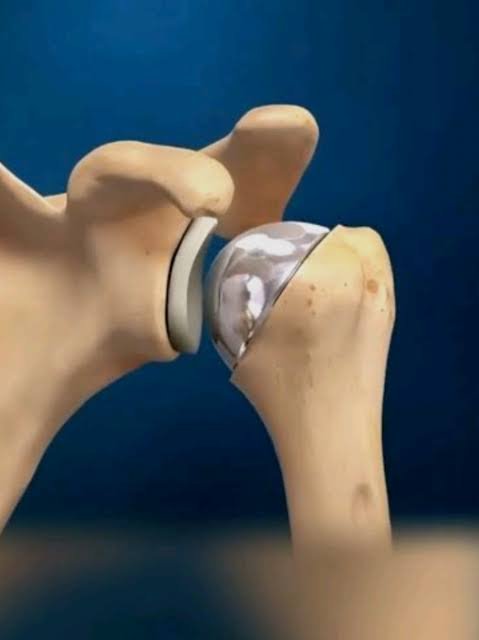
- Shoulder: Shoulder replacement helps restore motion in the upper arm when the joint is worn or injured.
A surgeon evaluates each joint through physical examination and imaging. This review helps determine whether a partial or total replacement is the more suitable approach.
What Is Robotic-Assisted Joint Replacement?
Robotic-assisted joint replacement is a technique in which a surgeon uses a robotic system to support surgery planning and precision. The robot does not perform the operation on its own; it works as a tool that the surgeon controls throughout the procedure. Before surgery, the system can use detailed imaging to create a three-dimensional model of the patient’s joint. This model helps the surgical team map out the placement and alignment of the implant with a high degree of accuracy.
During the operation, the robotic system provides real-time information and guidance to support the surgeon in aligning the implant with greater precision. The aim is to preserve healthy tissue around the joint. Robotic assistance is one of several tools available in modern joint replacement surgery, and not every case calls for its use. A surgeon can evaluate whether this approach is appropriate based on the individual’s specific condition and joint anatomy.
Consult an Orthopedic Surgeon
Joint replacement is a well-established area of orthopedic care, and treatment continues to advance with implants and surgical techniques. Each person’s needs differ, which is why a personalized evaluation is necessary. An orthopedic surgeon can assess the condition of your joint, review your medical history, and explain the range of options available to you. This conversation may help you understand what to expect and how a specific approach applies to your situation.
- Understanding the Role of Pediatric Orthopedic Specialists in Children’s Health
- Navigating the Process of STD Testing
- When Should You See an Orthopedic Specialist for Hand Pain?
- Understanding the Different Types of Chemical Peels and Their Uses
- The Science of Skin Elasticity: Unlocking Youthful Texture with Bioactive Peptide Complexes