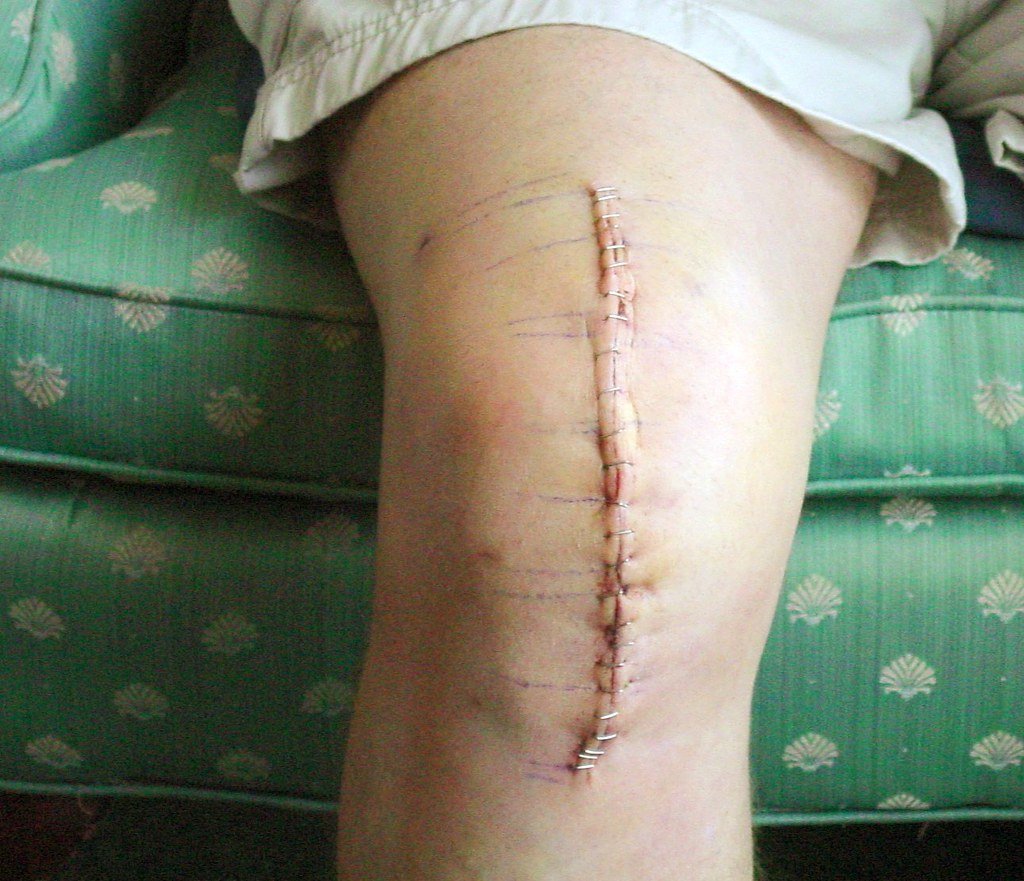
Recovery after knee replacement surgery unfolds over weeks and months; each stage brings its own tasks. The first days and weeks bring pain, swelling and limits on movement, and recovery progresses over time. This article outlines how to manage discomfort, move safely and support daily needs; it explains how post-operative care supports healing.
Managing Pain and Swelling
Some pain and swelling follow knee replacement surgery, but several steps reduce their effects. A medication schedule keeps discomfort under control; pain medication should be taken according to a doctor’s instructions. Ice packs reduce swelling; wrap them in a towel and apply them for 20 minutes at a time; switch out packs kept in the freezer as needed. Range-of-motion exercises support knee movement, and ankle pumps promote circulation while a patient lies down.
Certain signs warrant a call to the doctor. Watch for these symptoms, which may indicate infection or a blood clot:
- Persistent fever, chills or wound drainage
- Pain in the leg or calf unrelated to the incision
Getting Around Safely
Mobility devices support movement during early recovery. A walker helps during the first stage of recovery, and some patients transition to a cane as healing progresses. Home modifications reduce fall risk, so patients remove loose rugs and other tripping hazards; they arrange furniture to leave paths wide enough for a walker. Stairs pose a challenge early on; a bedroom on the main floor helps, but a patient who must reach an upstairs room climbs once at night and returns down in the morning. Walking calls for small steps and shoes with nonskid soles, and turns keep the toes pointing straight ahead to avoid pivoting on the surgical leg.
Supporting Therapy and Rest
Physical therapy and occupational therapy restore strength and knee movement. Therapy continues for several weeks or longer; the length depends on individual progress. Walking begins in the hospital, and patients extend distance and frequency gradually once home. Good nutrition, hygiene and sleep aid recovery. The incision stays clean and dry; a doctor confirms when bathing becomes safe based on the type of wound closure. Back sleeping keeps the knee in a straight position, and a firm pillow or foam wedge supports the leg.
Understanding the Procedure
Knee replacement addresses severe knee pain and dysfunction, and arthritis is a common cause of joint degeneration. Osteoarthritis wears away the cartilage covering the ends of the bones, and the exposed bone then rubs and produces inflammation, pain and stiffness. Surgery is not the first step; conservative measures like physical therapy, bracing, medication and joint injections come first, and a surgeon suggests replacement when those treatments stop working. A partial procedure removes only one part of the knee and preserves more tissue, though arthritis affecting all parts of the joint rules it out for most patients.
Help with Your Knee Replacement
Post-operative care combines pain management, safe movement, therapy and daily support. Recovery plans include instructions from the surgeon and medical team, and reporting worsening symptoms promptly supports appropriate follow-up care. Consistent participation in therapy and prescribed exercises supports strength and mobility throughout the recovery process. Get help with your knee replacement by finding a professional in your area.
- Understanding the Role of Pediatric Orthopedic Specialists in Children’s Health
- Navigating the Process of STD Testing
- When Should You See an Orthopedic Specialist for Hand Pain?
- Understanding the Different Types of Chemical Peels and Their Uses
- The Science of Skin Elasticity: Unlocking Youthful Texture with Bioactive Peptide Complexes