Laser vision correction uses targeted laser energy to reshape the cornea and improve how light focuses on the retina. Procedures like LASIK (laser-assisted in situ keratomileusis) can reduce or eliminate reliance on glasses or contact lenses, with some patients achieving 20/20 vision or better. The procedures are grounded in science, and understanding how they work can help patients make a more informed decision about whether they’re right for them. Here is more information on LASIK as a corrective procedure:
What Is Laser Vision Correction?
Laser vision correction is a category of refractive surgery that uses laser technology to reshape the cornea. The cornea is a clear, dome-shaped surface at the front of the eye. By altering the cornea’s curvature, these procedures change how light refracts as it enters the eye. The goal is to focus light precisely onto the retina, and this action helps produce clearer vision.
Why Is It Conducted?
Laser vision correction treats common refractive errors, and these include myopia (nearsightedness), hyperopia (farsightedness), and astigmatism. These conditions occur when the shape of the eye prevents light from focusing correctly on the retina. Rather than correcting vision externally with lenses, laser procedures address the underlying structural cause, which makes them a more permanent solution for eligible patients.
A thorough pre-operative evaluation is conducted to determine whether a patient qualifies for laser correction. This assessment examines several contributing factors, and corneal thickness, prescription stability, and overall eye health are among the primary ones. Age and pupil size may also influence eligibility, particularly if certain pre-existing eye conditions are present.
What Are the Available Procedures?
LASIK (laser-assisted in situ keratomileusis) is a primary corrective procedure. The procedure involves creating a thin corneal flap, and this is followed by precise laser reshaping of the underlying stromal tissue. LASIK typically offers a rapid recovery timeline. Patient eligibility and specific risk profiles are determined through a comprehensive clinical assessment of individual corneal anatomy, which an eye surgeon conducts.
How Does LASIK Work?
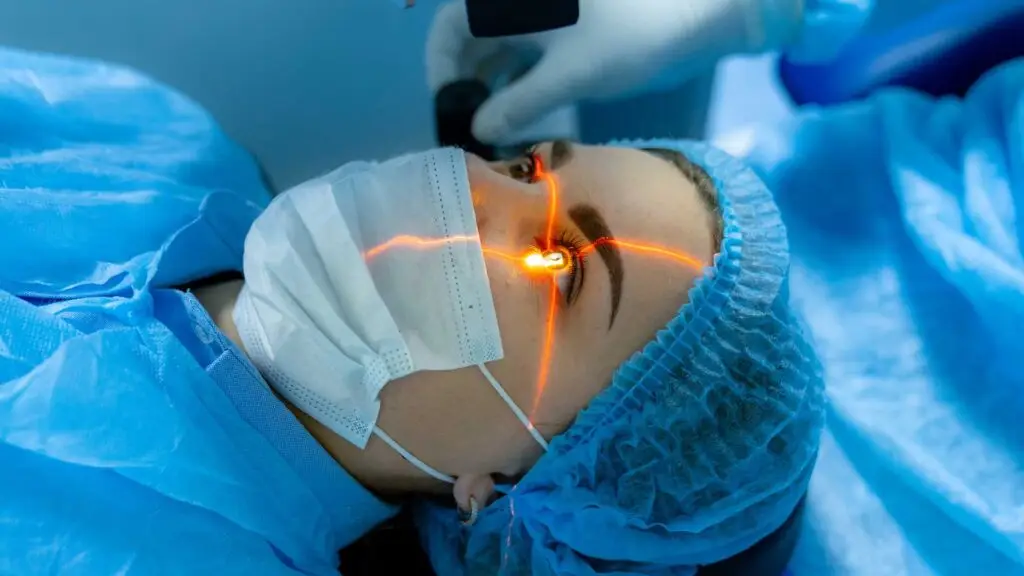
LASIK begins with the creation of a thin flap in the corneal tissue. The flap is folded back to expose the underlying corneal stroma, and an excimer laser then removes microscopic amounts of tissue according to a preprogrammed treatment plan derived from the patient’s unique refractive measurements. This plan is developed prior to the procedure. Once reshaping is complete, the flap is repositioned and adheres naturally without sutures.
The excimer laser operates at a wavelength of 193 nanometers, which allows it to remove corneal tissue with extreme precision, measured in fractions of a micron. It works through a process called photoablation, which breaks molecular bonds in the corneal tissue without generating heat, and this lack of thermal impact contributes to the procedure’s safety profile. Precision is central to its effectiveness.
Modern systems incorporate advanced technology, and these systems map the unique optical imperfections of each eye. Because treatment is tailored to individual measurements, the likelihood of achieving improved visual outcomes may increase. Each eye is treated according to its specific refractive profile.
Learn More About Your Options
Laser vision correction procedures offer a clinically proven method for addressing refractive errors by precisely reshaping the cornea. The procedure suited to you depends on your corneal structure, prescription, and eye health; these factors are assessed during a comprehensive pre-operative consultation. If you are looking to correct your vision, speak with an eye surgeon to determine which procedure works for you.
- Understanding the Role of Pediatric Orthopedic Specialists in Children’s Health
- Navigating the Process of STD Testing
- When Should You See an Orthopedic Specialist for Hand Pain?
- Understanding the Different Types of Chemical Peels and Their Uses
- The Science of Skin Elasticity: Unlocking Youthful Texture with Bioactive Peptide Complexes