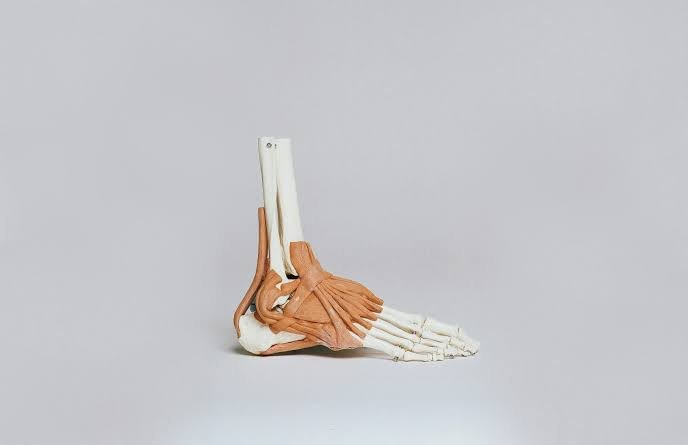
Ankle replacement surgery, also called total ankle arthroplasty, is often recommended for people with severe ankle arthritis that no longer responds to conservative treatments. Physicians may recommend this procedure when pain, stiffness, and limited movement interfere with daily activities. During this procedure, a surgeon removes the damaged portions of the joint and replaces them with artificial components. Their goal is to address the source of discomfort while preserving joint mobility. Here’s information on the impact of ankle replacement surgery:
Improving Ankle Functionality
One of the primary purposes of ankle replacement surgery is to restore movement to a joint that has become stiff or unstable over time. By replacing worn cartilage and bone with prosthetic components, an ankle replacement surgery helps the ankle move more freely. Good candidates for this surgery typically include individuals with osteoarthritis, rheumatoid arthritis, or post-traumatic arthritis following a previous injury.
Restoring Range of Motion
An ankle joint replacement is designed to maintain the joint’s natural motion, allowing individuals to move with less restriction. This can support activities that require bending and pivoting the foot. When an ankle joint is damaged, weight often shifts unevenly across the foot. A joint replacement is intended to help distribute weight more evenly through the joint. This balanced distribution may lessen strain on surrounding structures during standing and movement.
Supporting Joint Stability
An unstable ankle can make standing and walking challenging. During a joint replacement surgery, the prosthetic components are positioned to provide a more stable foundation. This reduces pain while adding support, helping to also reduce the sensation of the joint giving way. Greater ankle stability can also make it easier to navigate uneven surfaces more easily.
Improving Gait Mechanics
Gait refers to the way a person walks, and ankle problems can alter this pattern in noticeable ways. People with a painful or stiff ankle often adjust their stride to avoid discomfort, and these adjustments can affect their knees, hips, and lower back. By addressing the underlying joint issue, ankle replacement surgery may help support a more natural walking pattern.
Once movement is restored, the foot may make contact with the ground in a more typical sequence. This can influence how the leg swings and how weight transfers from one step to the next. A smoother gait may reduce the compensations that develop when a joint is compromised, though individual outcomes vary based on many factors. Rehabilitation follows surgery to help individuals adapt to the new joint. Physical therapy often focuses on strengthening the muscles that support movement, and this process plays a fundamental role in how a person walks afterward.
Reducing Ankle Pain
Chronic ankle pain is one of the most common reasons people discuss treatment for joint problems. When cartilage wears away, bones can rub against one another, creating friction that leads to discomfort. Ankle joint replacement surgery removes these damaged surfaces and replaces them with smooth artificial components. By eliminating the contact between roughened bone surfaces, this surgery addresses a primary source of pain. Many individuals pursue this surgery specifically because ongoing discomfort has limited their ability to work, exercise, or complete routine tasks.
Learn More About Ankle Replacement Surgery
Ankle replacement surgery is a treatment decision that involves careful evaluation of your symptoms, medical history, and overall health. A qualified surgeon can assess your specific situation and explain whether this procedure aligns with your needs. Understanding the potential effects on functionality, gait, and pain can help you have a more informed conversation with a healthcare provider. If you are experiencing ongoing ankle pain or limited mobility, contact an orthopedic foot and ankle surgeon for a consultation.
- Understanding the Role of Pediatric Orthopedic Specialists in Children’s Health
- Navigating the Process of STD Testing
- When Should You See an Orthopedic Specialist for Hand Pain?
- Understanding the Different Types of Chemical Peels and Their Uses
- The Science of Skin Elasticity: Unlocking Youthful Texture with Bioactive Peptide Complexes