Hip replacement surgery can relieve pain and restore a patient’s mobility when conservative treatments fail to achieve the desired results. Recovery takes time and commitment, and knowing what to expect can help you prepare yourself for a successful recovery. Here is more information about hip replacement surgery and the recovery process:
Introducing Hip Replacement Surgery
Hip replacement surgery removes damaged bone and cartilage from the hip joint and replaces it with artificial components. Surgeons recommend it for patients whose hip pain no longer responds to other treatments. Arthritis is one common reason a patient needs a hip joint replacement surgery, but fractures and other joint conditions can also lead to the need for joint replacement surgery.
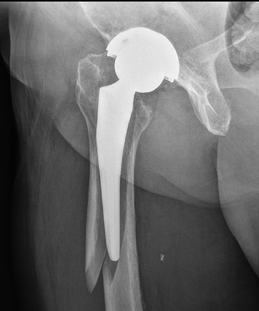
When they perform the joint replacement surgery, the surgeon removes the damaged femoral head and replaces it with a metal stem inserted into the thighbone. A ceramic or metal ball is then attached to the top of that stem. The surgeon also resurfaces the hip socket with a metal cup, and they add a spacer to allow smooth movement between the components.
Recovering From Hip Surgery
Recovery from hip joint replacement surgery typically spans 12 weeks, depending on age, overall health, and how well the patient follows their rehabilitation plan. Most patients can walk with assistance the day after surgery, and strength builds progressively from there. Physical therapy plays a central role in recovery.
A physical therapist will guide you through:
- Gentle range-of-motion exercises to restore hip flexibility
- Strengthening exercises for the muscles surrounding the hip joint
- Gait training to help you walk safely and correctly
- Functional movements like sitting, standing, and climbing stairs
Most patients attend formal physical therapy for a few months. Full recovery, including return to higher-impact activities, can take several months.
Supporting Your Own Recovery
There are several practical steps for a safe and effective recovery at home. Keep your living space clear of tripping hazards, and use assistive devices like a walker or cane as directed by your care team. Following hip precautions, which are movement restrictions your surgeon provides, protects the new joint while it heals.
Knowing when to contact your provider is equally as meaningful as knowing how to care for yourself at home. Reach out to your care team if you notice any of the following:
- Increased redness, swelling, or warmth around the incision
- High fever
- Sudden worsening of pain or instability in the hip
- Signs of a blood clot, such as calf pain, swelling, or shortness of breath
If you experience pus or drainage at the surgical site, contact your healthcare provider right away. These symptoms may indicate a complication that needs prompt medical attention.
Learn More About Hip Replacement
Hip replacement surgery replaces a damaged joint with artificial components, and recovery involves physical therapy and home care. Most patients see improvement in mobility and pain relief within weeks to months after surgery. If you want to learn more about hip joint replacement surgery and the potential benefits, consult a joint replacement specialist near you.
- Understanding the Role of Pediatric Orthopedic Specialists in Children’s Health
- Navigating the Process of STD Testing
- When Should You See an Orthopedic Specialist for Hand Pain?
- Understanding the Different Types of Chemical Peels and Their Uses
- The Science of Skin Elasticity: Unlocking Youthful Texture with Bioactive Peptide Complexes