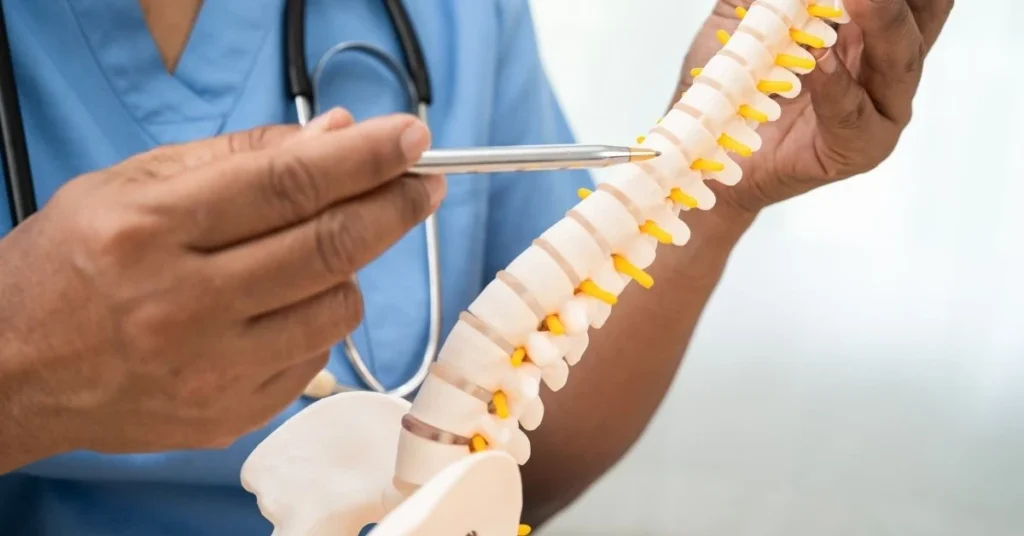

A herniated disc can cause back or neck pain, stiffness, numbness, tingling, or weakness when displaced disc material compresses nearby nerves. Although some cases require surgical evaluation, individuals can explore conservative treatment options that aim to relieve symptoms and improve mobility. Here is an overview of non-surgical treatments for a herniated disc:
Begin With Evaluation
Every treatment plan begins with a clear picture of your condition, and that picture comes from a detailed evaluation. A provider reviews your medical history, asks about your symptoms, and performs a physical exam that checks reflexes, strength, and range of motion. Imaging tests, such as an MRI or X-ray, may be ordered when the provider needs to closely evaluate the herniated disc and surrounding structures. This step helps match the treatment to the specific problem rather than applying a one-size-fits-all approach.
Manage Symptoms Conservatively
Conservative care for a herniated disc focuses on reducing discomfort and supporting the body’s natural healing process, and it is often the first approach providers recommend. These measures aim to lower pressure on the herniated disc while you stay active in a controlled way. Here are key options that are often recommended:
- Rest and activity modification: Short periods of rest can calm irritated tissue, though prolonged inactivity may slow recovery, so providers usually encourage gentle movement.
- Over-the-counter pain relievers: Medications such as anti-inflammatories may ease pain and swelling, and a provider can advise on safe use for your situation.
- Heat and cold therapy: Applying cold packs may reduce inflammation, while heat relaxes tight muscles.
- Posture adjustments: Improving how you sit, stand, and lift takes strain off the spine.
These conservative steps often provide meaningful relief and set the foundation for structured recovery methods when needed.
Restore Movement Through Rehabilitation
Rehabilitation builds strength and flexibility so the spine can support daily activity with less strain. A physical therapist designs a program of targeted exercises that gradually improve mobility while protecting the affected area. Guided stretching, core-strengthening movements, and low-impact activities all play a role in retraining the body to move safely. A therapist may also teach body mechanics, which means learning how to bend, lift, and turn without aggravating the affected disc. This education is helpful, and it gives you tools to manage symptoms on your own.
Explore Non-Surgical Interventions
When conservative care and rehabilitation do not fully address symptoms of a herniated disc, providers may contemplate further non-surgical interventions. These options target pain and inflammation more directly, and a provider recommends them based on your evaluation. Here are key approaches your provider may recommend:
- Epidural steroid injections: These deliver anti-inflammatory medication near the affected nerve to reduce swelling and pain for a period of time.
- Nerve block procedures: These injections aim to interrupt pain signals from a specific nerve, and they can also help identify the source of discomfort.
- Chiropractic care: Some people seek manual adjustments to improve alignment and mobility, and a provider can advise whether this aligns with your condition.
- Traction therapy: This method gently stretches the spine to relieve pressure on the disc, and a trained professional monitors the process.
These interventions offer alternatives, and a provider guides you toward the choices that align with your case.
Schedule Your Herniated Disc Appointment
Managing a herniated disc requires a systematic approach tailored to the condition’s severity and the individual’s needs. A range of interventions can alleviate symptoms and promote recovery, including self-care measures, targeted exercises, and professional treatments. It’s fundamental to consult a healthcare provider to identify the best course of action for your specific situation. Contact a qualified spine surgeon near you to schedule your appointment for a herniated disc today.
- Understanding the Role of Pediatric Orthopedic Specialists in Children’s Health
- Navigating the Process of STD Testing
- When Should You See an Orthopedic Specialist for Hand Pain?
- Understanding the Different Types of Chemical Peels and Their Uses
- The Science of Skin Elasticity: Unlocking Youthful Texture with Bioactive Peptide Complexes