
Glaucoma refers to a group of eye conditions that affect the optic nerve; this is the part of the eye responsible for sending visual information to the brain. This damage may occur when pressure inside the eye builds beyond a healthy range. Because early stages often present few noticeable symptoms, routine eye examinations help detect changes before they progress. Once a diagnosis is confirmed, patients and their eye care providers can review a range of approaches suited to individual needs.
Glaucoma Surgery
Minimally invasive glaucoma surgery, or MIGS, describes a set of procedures designed to reduce eye pressure through smaller incisions. Compared with older surgical methods, these approaches tend to involve less tissue disruption, and this may translate into shorter recovery periods for patients. MIGS procedures work in different ways. Some aim to improve the natural drainage system of the eye, allowing fluid to exit more freely. Others reduce the amount of fluid the eye produces.
One advantage of MIGS is that certain procedures can be performed alongside cataract surgery. For individuals who need both treatments, combining them into a single session may reduce the number of separate appointments and recovery windows. Eye specialists will determine whether this option fits a particular case, and they can explain what results are reasonable to expect.
Laser Treatments
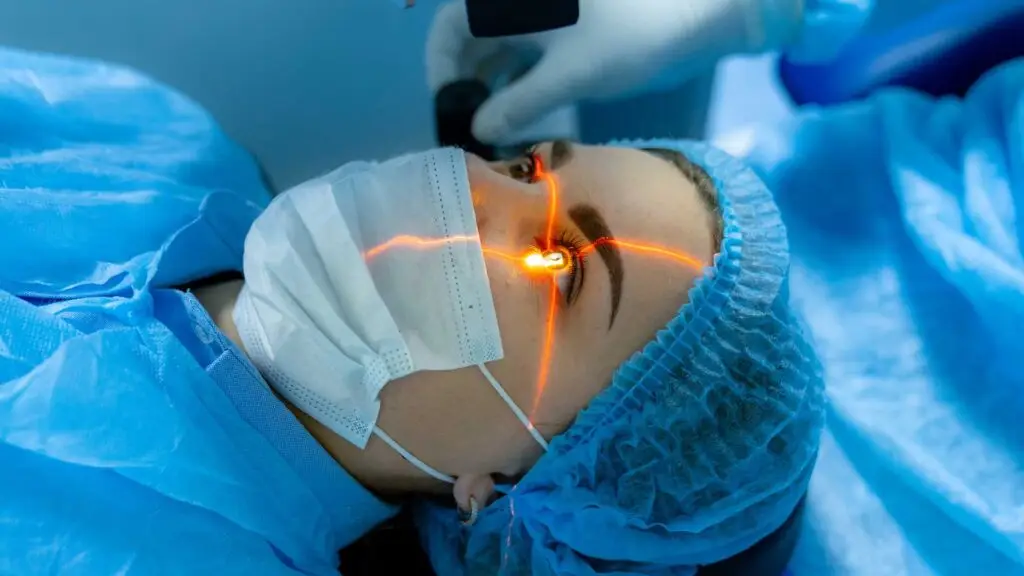
Laser treatments offer another route for managing glaucoma, and they may be performed in an outpatient setting. These procedures use focused light to influence how fluid moves within the eye. Laser sessions are typically quick, allowing patients to return home the same day.
Several types of laser therapy exist. One approach targets the drainage tissue to encourage better fluid outflow, which can help lower eye pressure. Another type reduces fluid production, and it does so by addressing the structure responsible for creating it.
The choice of laser depends on the type of glaucoma and how the eye has responded to other treatments. Some patients use laser therapy as an early step, and others turn to it after eye drops alone no longer manage pressure effectively. An eye specialist can outline how a given laser procedure works, including preparation and follow-up care.
Stenting
Stenting involves placing a tiny device inside the eye to support fluid drainage. These stents are extremely small, often measured in fractions of a millimeter, and they are designed to remain in place to keep drainage channels open. By creating or maintaining a pathway for fluid to leave the eye, a stent may help hold pressure within a healthier range.
Stent placement can be grouped within the MIGS category because of its minimally invasive nature. Different stent designs exist, each with its own placement location and mechanism. A surgeon will review which option aligns with the patient’s anatomy and treatment goals. Recovery experiences vary, so discussing expectations ahead of time helps patients prepare.
Confer With an Eye Specialist
Selecting a glaucoma treatment is a process that benefits from professional guidance. Each approach carries its own set of features, and the most suitable choice reflects the details of an individual’s eye health, lifestyle, and preferences. An eye specialist may perform a thorough evaluation, allowing them to explain their findings. A specialist can help you understand your options and build a plan suited to your needs.
- Understanding the Role of Pediatric Orthopedic Specialists in Children’s Health
- Navigating the Process of STD Testing
- When Should You See an Orthopedic Specialist for Hand Pain?
- Understanding the Different Types of Chemical Peels and Their Uses
- The Science of Skin Elasticity: Unlocking Youthful Texture with Bioactive Peptide Complexes