A colonoscopy is a medical procedure that lets a doctor examine the inner lining of the large intestine and rectum using a thin, flexible tube with a camera. This screening helps identify changes in the colon before symptoms appear, and it plays a central role in colon cancer detection. Here is more information about colonoscopies and treatment for colon cancer:
Detecting Colon Cancer Early
Colon cancer often develops slowly over several years, and it may not cause noticeable symptoms in its early stages. Changes in the colon can go undetected without regular screening via colonoscopy. Early detection prevents cancer in some cases and enables doctors to administer treatment while it is most effective.
Examining Polyps
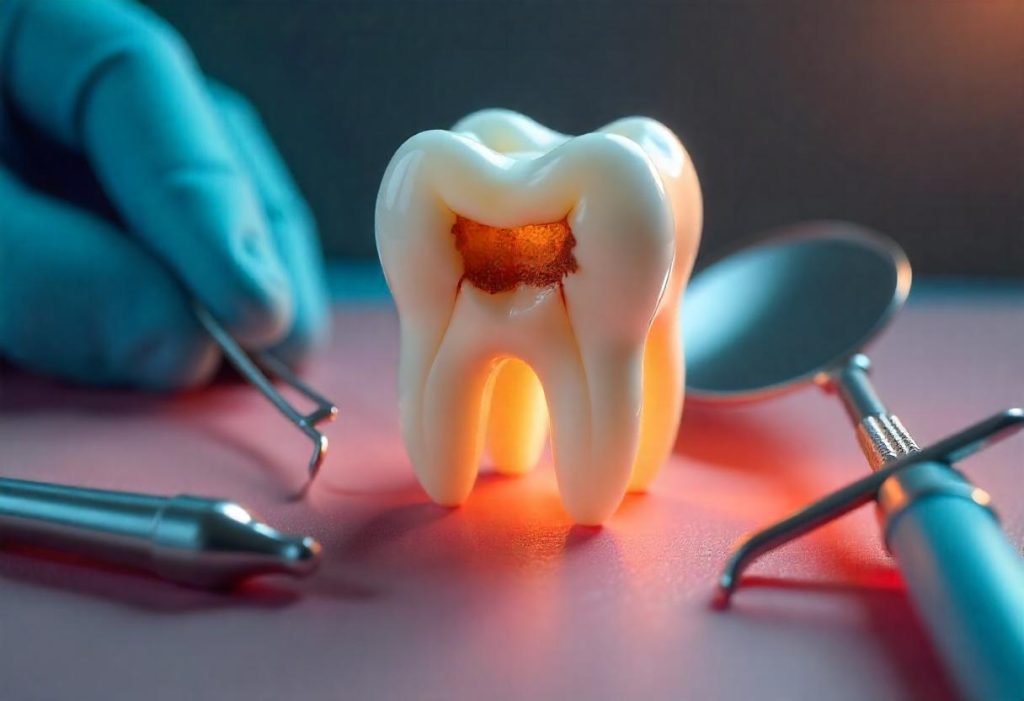
A polyp is a small growth that forms on the inner lining of the colon or rectum. Some polyps remain harmless over time, but others may develop changes that require closer attention. Doctors examine these growths to understand their type and characteristics.
Polyps vary in shape and size, and they are often too small to cause any noticeable symptoms. This is one reason why doctors perform direct examination through a colonoscopy. A doctor can assess a polyp visually during the procedure and decide on the next steps.
Identifying Cancerous Polyps
During the procedure, the doctor guides the flexible tube through the colon and views the lining on a monitor. The camera provides a detailed image, and this allows the doctor to identify polyps and areas of concern. Doctors further review any concerning tissue.
When a polyp is found, the doctor may remove it using small instruments; the instruments are passed through the same tube. This removal process is often completed during the same appointment because no separate procedure is needed. The removed tissue is then sent to a laboratory for examination.
Laboratory analysis helps determine the nature of the polyp and whether it contains abnormal cells. The results guide any follow-up steps, and they give the doctor a record for future screenings. This combination of direct removal and testing supports a thorough review of the colon.
Timing Your Procedures
Screening recommendations depend on age, personal health history, and family history. Many guidelines suggest that adults begin regular screening around age 45, though individual timing can differ. People with an average risk may be advised to repeat the screening at set intervals, and those with higher risk tend to need it more often. Some factors that can affect the frequency of your colonoscopy screenings include:
- Previous polyps found during a colonoscopy
- A personal history of colorectal cancer
- A family history of colon cancer or polyps
- Certain genetic conditions
- A history of inflammatory bowel disease
The interval between screenings is decided based on prior results and current health. Do not delay screening because you feel healthy or have no symptoms. A colonoscopy detects impactful changes that may not produce symptoms at all.
Schedule Your Colonoscopy Today
Before your appointment, your doctor will give you all the instructions you need to prepare and explain what to expect during the procedure. Following these instructions helps the screening go smoothly because a clear colon allows for a better examination; your care team can also answer questions about the steps involved. To learn more about the benefits of colon cancer screenings, consult a healthcare provider near you.
- Understanding the Causes and Symptoms of Plantar Fasciitis
- Why International Buyers Are Turning to a Buyer’s Brokerage in Panama
- How EMDR Therapy Facilitates Healing From Past Experiences
- Exploring the Benefits of IV Therapy for Enhanced Hydration and Wellness
- How To Get a Medical Marijuana Card and What To Expect During the Process