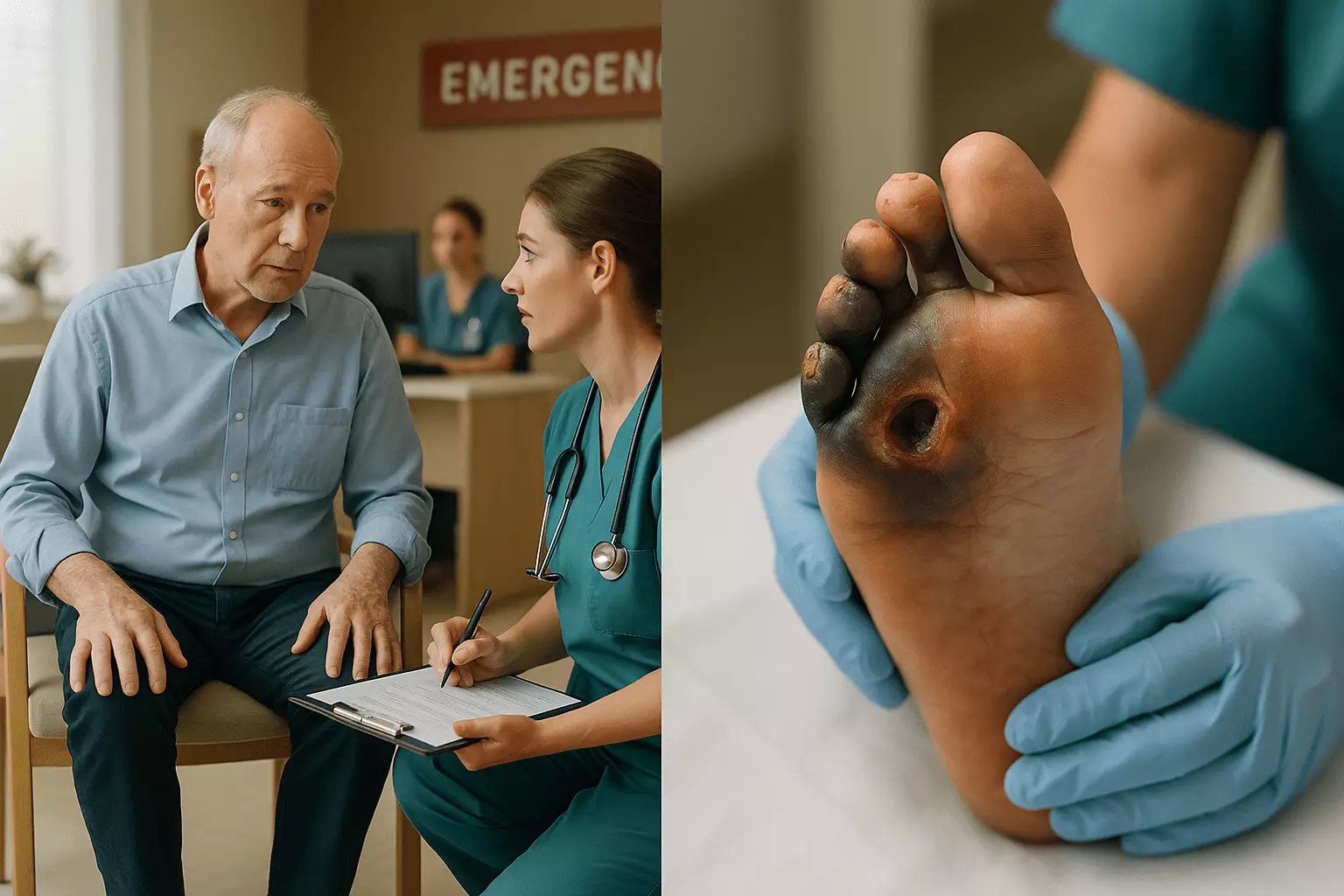
Orthopedic injuries range from minor strains to serious fractures that require prompt medical attention. Urgent care can provide timely evaluation and treatment for sudden injuries that are not life-threatening but cannot wait for a routine appointment. Here is more information on when to seek urgent care for injuries:
Which Injuries Are Nonemergencies?
Not every injury belongs in an emergency room, and knowing the difference saves you time. Urgent care clinics manage a wide range of orthopedic problems that need quick treatment but do not put your life at risk. The team can order X-rays, apply splints, and create a care plan on the same day. Here are some common injuries that fit this setting:
- Sprains and strains: A twisted ankle or a pulled hamstring often responds to prompt care that reduces swelling and supports healing.
- Simple fractures: A broken finger, toe, or wrist that stays in place can be splinted and monitored without surgery.
- Minor dislocations: A joint that has slipped but shows no severe damage may be reset by trained staff.
- Sports injuries: Overuse strains, mild tendon irritation, and muscle pulls are frequent reasons athletes visit.
- Cuts and lacerations: Wounds that need stitches but are not bleeding heavily may be cleaned and closed on site.
Which Symptoms Require Prompt Evaluation?
Some symptoms signal that you should not wait, even when the injury seems minor at first glance. Swelling that worsens quickly, pain that limits your movement, and bruising that spreads point to a problem that requires same-day review. A joint that feels unstable or a limb that you cannot bear weight on also calls for prompt attention. Waiting too long may turn a manageable issue into a longer recovery.
Pay attention to how your body responds in the hours after an injury. Numbness, tingling, or a limb that looks out of shape suggests deeper involvement, and these signs require a visit. Persistent pain that over-the-counter measures do not ease is another reason to have a professional look.
Which Signs Signal Emergencies?
Urgent care handles several injuries, but some situations require a hospital emergency room instead. Knowing these warning signs helps you make the right call under pressure. If any of the following appear, seek emergency care right away:
- Severe bleeding: Blood that will not stop after firm pressure needs immediate emergency treatment.
- Visible bone: A fracture that breaks the skin, known as an open fracture, requires hospital-level care.
- Loss of feeling: Complete numbness or an inability to move a limb points to a serious concern.
- Signs of shock: Pale skin, rapid breathing, or confusion after an injury are red flags.
- Head or spine trauma: Any blow that involves the neck, back, or head deserves emergency evaluation.
How Should You Prepare?
Preparation can make your urgent care visit fast and smooth. Bring your photo ID, insurance card, and a short list of any medications you take, so the staff can review your history without delay. Wear loose clothing that lets the team examine the injured area, and note when and how the injury happened. You can also help yourself before you arrive at the clinic. Keep the injured area still, apply ice to limit swelling, and avoid eating heavily in case you need treatment.
Schedule Your Urgent Care Appointment
Urgent care provides same-day treatment for bone, joint, ligament, tendon, and sports injuries that need quick attention but aren’t life-threatening. Seeking immediate care for an injury requires clear communication and preparation to make the process easier. You can support fast and efficient treatment by describing how and when the injury occurred and preparing any questions ahead of your visit. Contact an urgent care center near you to schedule your appointment or walk in for immediate care today.