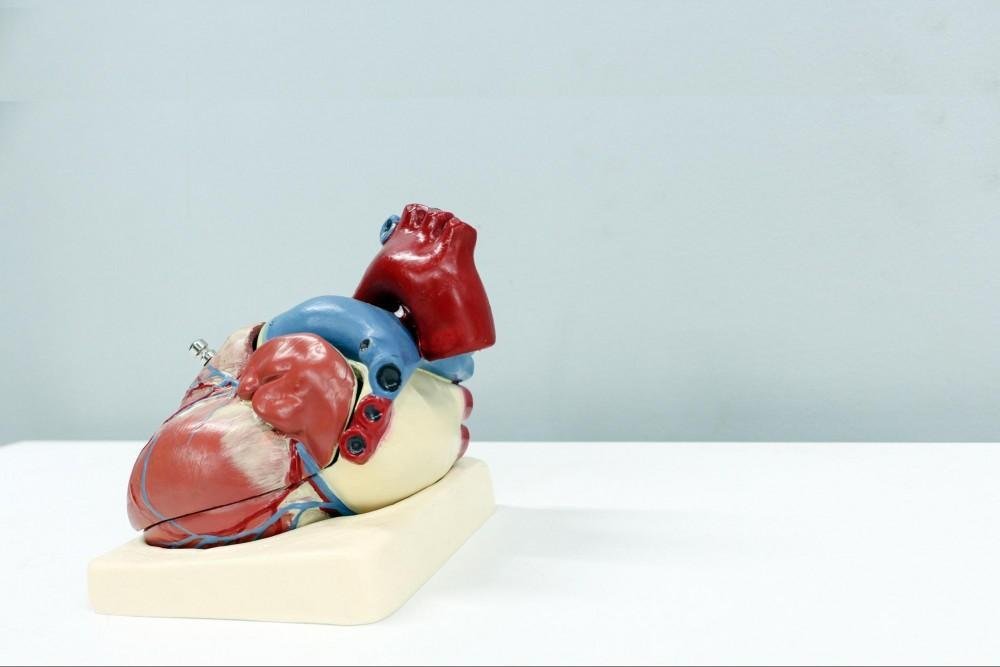

Heart health concerns involve symptoms such as chest discomfort, shortness of breath, irregular heartbeats, dizziness, or persistent fatigue. A cardiologist evaluates these symptoms and recommends appropriate care. Here is more information on when to seek a cardiologist for heart health concerns:
Experiencing Persistent Symptoms
Symptoms that return or linger often signal a need for closer evaluation. A single episode of breathlessness after a hard workout may pass quickly, but repeated shortness of breath during light activity is a different matter. When symptoms recur, a cardiologist can examine the pattern and determine whether your heart needs support. Here are key symptoms that require a specialized review:
- Chest discomfort: Pressure, tightness, or a dull ache that persists over time may point to a heart issue.
- Shortness of breath: Trouble breathing during routine tasks, such as climbing stairs, can reflect strain on the heart.
- Irregular heartbeat: A racing, fluttering, or skipping sensation that repeats deserves a professional look.
- Persistent fatigue: Unusual tiredness that does not improve with rest may be connected to heart function.
Tracking how often these signs appear gives your doctor useful details, and it makes the visit more productive.
Evaluating Risk Factors
Risk factors help you understand your personal chances of developing heart trouble. High blood pressure, elevated cholesterol, diabetes, and a family history of heart disease put you at risk, and knowing your numbers is a key first step. Age and lifestyle also influence your risk profile, so reviewing daily habits matters. Smoking, limited physical activity, and a diet high in processed foods can strain the cardiovascular system. A cardiologist reviews these factors, orders tests when needed, and helps you set realistic goals.
Reviewing Medical Findings
Test results sometimes reveal issues before symptoms appear. A routine checkup may show an abnormal electrocardiogram, an unexpected heart murmur, or blood work that points to concern. A cardiologist interprets these results in detail and decides whether further testing helps. Here are key results that often lead to specialized care:
- Abnormal heart rhythm readings: Irregular patterns on an electrocardiogram may need closer study.
- Elevated blood pressure that resists treatment: Readings that remain high despite medication require expert review.
- Imaging that shows structural changes: Scans revealing enlarged chambers or valve issues require follow-up.
- Rising cholesterol: Numbers that keep climbing despite efforts may need a tailored plan.
These findings emphasize the need for early detection and prompt intervention to promote optimal cardiovascular health outcomes.
Identifying Cardiac Emergencies
Some situations require immediate action rather than a scheduled visit. Chest pain that spreads to the arm, jaw, or back, along with sweating and nausea, may signal a heart attack, and calling emergency services right away is the safest choice. Other warning signs also point to an emergency, so knowing them helps you respond quickly. Sudden fainting, severe shortness of breath, or a rapid heartbeat paired with dizziness may reflect a serious problem that a cardiologist addresses after emergency treatment. Make sure the people around you know these signs, and act without hesitation when they appear.
Consult a Cardiologist Today
Knowing when to seek specialized care puts you in a stronger position to manage your heart health. Persistent symptoms, risk factors, test results, and emergency warning signs point toward a conversation with a heart specialist. A cardiologist provides a detailed diagnosis, targeted treatment, and ongoing support for long-term management. Contact a qualified cardiologist near you to schedule your consultation today.
- Understanding the Role of Pediatric Orthopedic Specialists in Children’s Health
- Navigating the Process of STD Testing
- When Should You See an Orthopedic Specialist for Hand Pain?
- Understanding the Different Types of Chemical Peels and Their Uses
- The Science of Skin Elasticity: Unlocking Youthful Texture with Bioactive Peptide Complexes