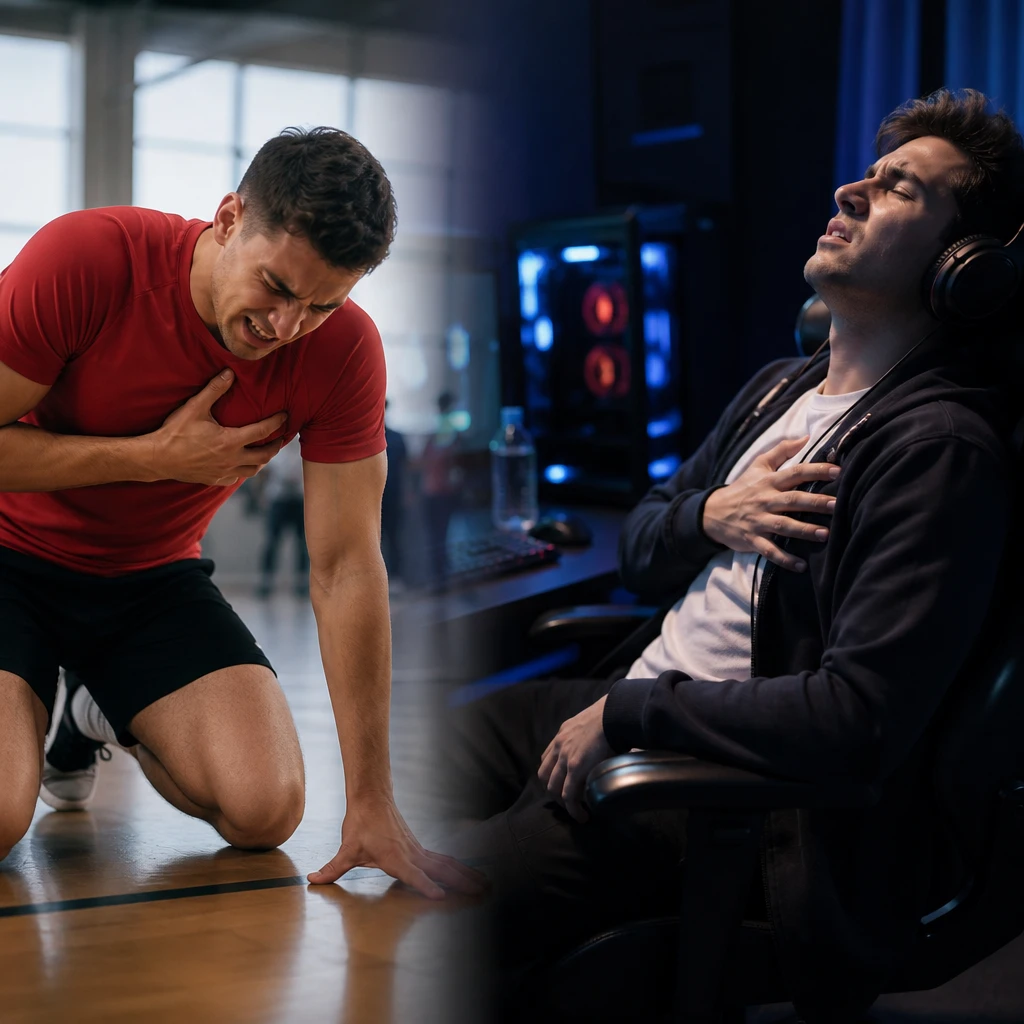
Two seemingly opposite lifestyles — the elite young athlete pushing physical limits on the field and the dedicated gamer spending consecutive hours in front of a screen — share a surprisingly common and dangerous thread: an elevated risk of sudden cardiac events. While one group is celebrated for peak physical conditioning and the other for mental endurance, both populations have experienced tragic, unexpected cardiac episodes that have shocked families, coaches, and medical communities alike. Understanding why this happens, and what warning signs to watch for, could be the difference between life and death.
The Hidden Danger in High-Performance Sport
Young athletes are often perceived as the picture of health. Their cardiovascular systems are trained, their resting heart rates are low, and their endurance is admirable. Yet, beneath this exterior of fitness, certain structural and electrical abnormalities of the heart can go completely undetected — until a moment of extreme physical exertion triggers a catastrophic event.
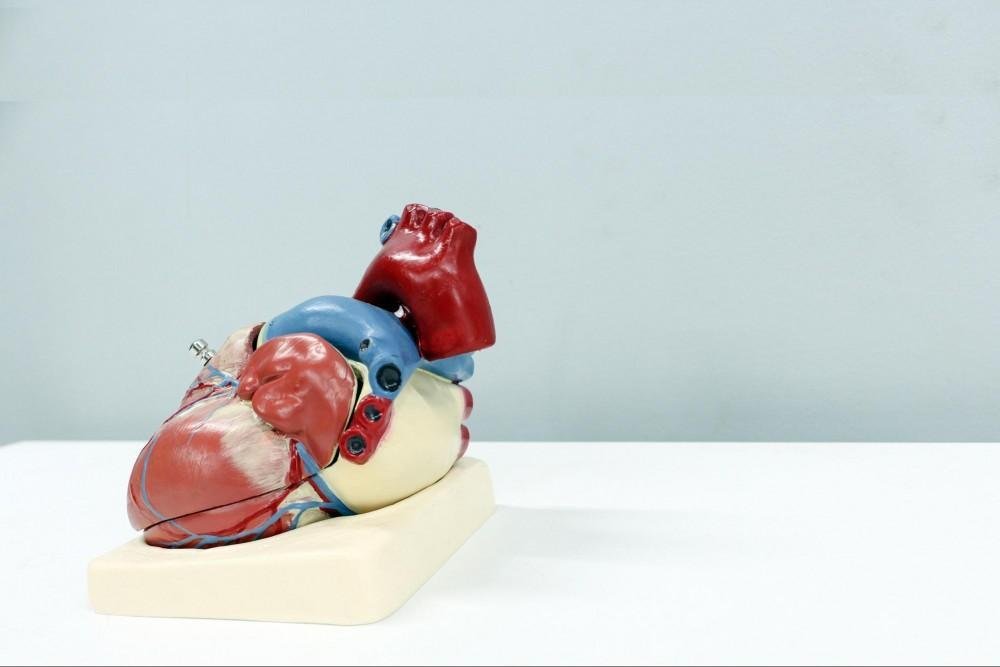
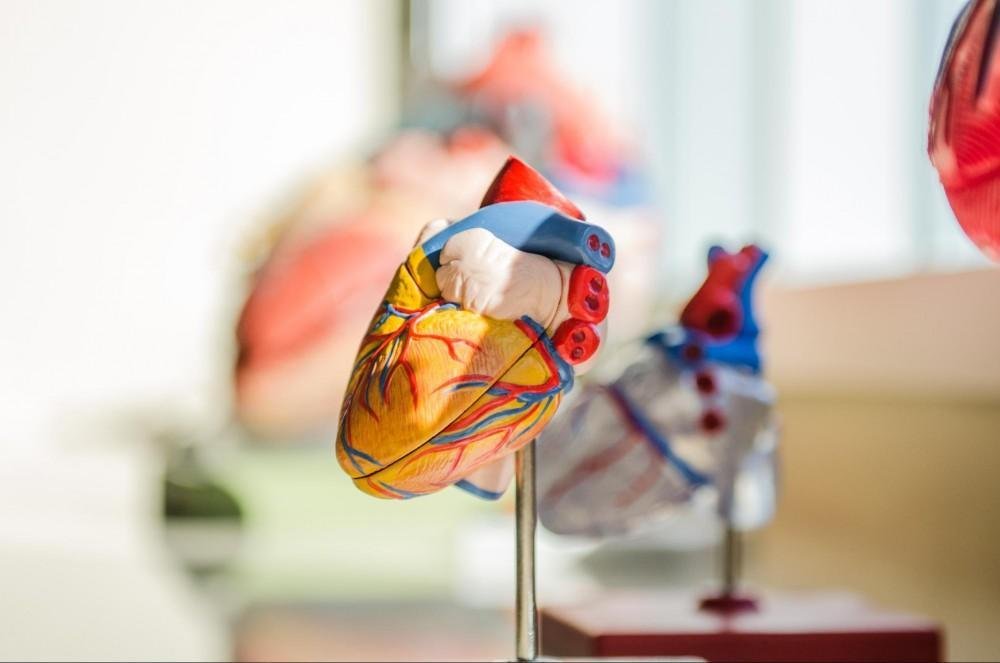
Hypertrophic cardiomyopathy (HCM) is the most common cause of sudden cardiac death in young athletes. In this condition, the heart muscle becomes abnormally thick, making it harder for the heart to pump blood efficiently. During intense exercise, when the heart is demanded to work at maximum capacity, this thickening can trigger a fatal arrhythmia. Other conditions, including commotio cordis — a cardiac arrest caused by a blunt impact to the chest at a precise moment in the heart’s rhythm — and anomalous coronary arteries, also contribute to these devastating outcomes.
What makes these events particularly alarming is their sudden, unpredictable nature. A teenager running a sprint, a college footballer mid-play, or a young swimmer completing a lap can collapse without any prior symptoms. Pre-participation screenings, including electrocardiograms (ECGs) and echocardiograms, are increasingly recommended to identify at-risk individuals before they ever step onto a competitive field.
Marathon Gaming Sessions: A Sedentary Cardiac Threat
On the other end of the spectrum, the global gaming community has witnessed its own wave of cardiac-related tragedies. Young gamers who engage in sessions lasting 12, 18, or even 24 consecutive hours expose their bodies to a unique constellation of physiological stressors. Prolonged sitting reduces circulation, promotes blood clot formation in the deep veins, and disrupts the body’s natural stress-response systems.
The intense emotional stimulation of competitive gaming — the adrenaline surges during high-stakes matches, the frustration of losses, and the excitement of victories — places repeated, acute demands on the cardiovascular system. For individuals with undiagnosed arrhythmias or channelopathies such as Long QT Syndrome or Brugada Syndrome, these emotional spikes can be enough to trigger a life-threatening cardiac event. Several documented cases from South Korea, Japan, and Europe have confirmed that young gamers have died during or shortly after extended gaming sessions, with cardiac causes identified in post-mortem examinations.
Energy drinks, commonly consumed during gaming marathons, compound the risk significantly. High concentrations of caffeine and taurine can alter heart rhythm, raise blood pressure, and interact dangerously with pre-existing cardiac conditions. The combination of stimulant consumption, emotional stress, physical inactivity, and sleep deprivation creates a perfect storm for cardiac vulnerability.
Recognizing the Warning Signs Before It’s Too Late
Whether the individual is a competitive sprinter or a dedicated esports player, recognizing the early warning signs of cardiac distress is critical. Symptoms such as unexplained fainting or near-fainting during or after activity, chest pain or pressure, palpitations that feel like a racing or fluttering heart, and sudden shortness of breath without an obvious cause should never be dismissed as fatigue or anxiety. Understanding the Signs of cardiac arrest — including sudden loss of responsiveness, absence of normal breathing, and no detectable pulse — is essential knowledge for coaches, parents, teammates, and fellow gamers who may be the first responders in a crisis situation.
The Role of Personalized Medical Assessment
One of the most important steps any young person can take — athlete or gamer — is to undergo a thorough, individualized cardiovascular assessment. Generic health screenings often miss the subtle abnormalities that predispose individuals to sudden cardiac events. Personalized evaluation, which takes into account family history, lifestyle factors, genetic predispositions, and specific activity patterns, offers a far more accurate picture of cardiac risk.
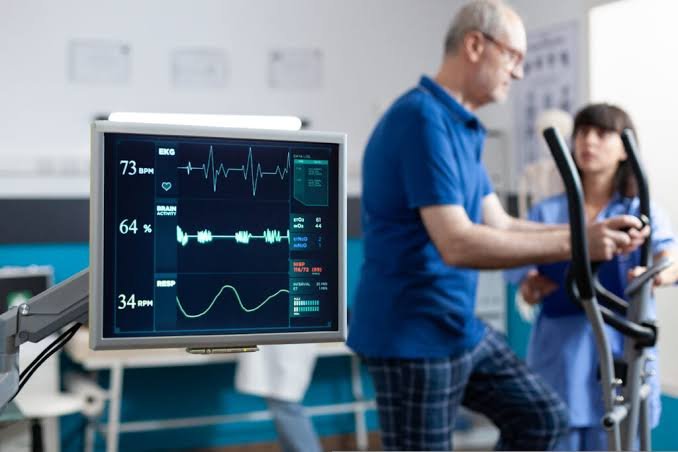
This principle of individualized care extends beyond cardiac health. Just as pain clinics tailor treatments to meet each patient’s unique needs, cardiologists and sports medicine physicians are increasingly moving away from one-size-fits-all protocols toward bespoke cardiac risk assessments. Wearable cardiac monitors, genetic testing for inherited arrhythmia syndromes, and advanced imaging techniques are now accessible tools that allow clinicians to identify hidden risks before they manifest as emergencies.
What Families, Coaches, and Gaming Communities Can Do
Prevention begins with awareness and action at the community level. Sports organizations should mandate comprehensive pre-participation cardiac screenings and ensure that automated external defibrillators (AEDs) are readily available at all training and competition venues. Coaches and trainers should be certified in CPR and AED use, and athletes should be educated about the importance of reporting symptoms rather than pushing through them.
Within the gaming community, tournament organizers and streaming platforms have a responsibility to promote healthy gaming habits. Mandatory breaks, hydration reminders, and restrictions on energy drink sponsorships during youth events are practical measures that can reduce physiological stress. Gaming communities should also normalize conversations about health, encouraging members to seek medical evaluation if they experience palpitations, dizziness, or chest discomfort during or after sessions.
Cleveland Clinic Abu Dhabi: A Trusted Resource for Cardiac Health
For individuals and families seeking reliable, expert-backed information on cardiac health, Cleveland Clinic Abu Dhabi stands as a leading resource in the region. With a multidisciplinary team of cardiologists, sports medicine specialists, and preventive health experts, the institution offers comprehensive cardiac evaluations tailored to patients across all age groups and activity levels. Their commitment to evidence-based medicine and patient education makes them an invaluable partner in the effort to prevent sudden cardiac events in young populations.
Building a Culture of Cardiac Awareness
Sudden cardiac events in young athletes and gamers are not inevitable. They are, in many cases, preventable — provided that the right knowledge, screening tools, and emergency response systems are in place. Medical practices that prioritize preventive care and patient education, such as those outlined by Winterton Medical Practice’s clinic services, demonstrate how community-level healthcare can play a pivotal role in early detection and ongoing monitoring of at-risk individuals.
The conversation around cardiac safety must expand beyond hospital walls. It belongs in locker rooms, gaming arenas, school gymnasiums, and family dinner tables. Young people are not immune to heart disease simply because of their age. The heart, regardless of how fit or young its owner may be, is vulnerable — and that vulnerability demands respect, vigilance, and proactive care.
Conclusion
The parallel between sudden cardiac risk in young athletes and marathon gamers reveals a broader truth: cardiac health is not determined solely by physical activity levels. Genetics, lifestyle habits, emotional stress, and undiagnosed conditions all play significant roles. By fostering a culture of cardiac awareness — one that embraces personalized screening, community education, and swift emergency response — we can protect the next generation of competitors, whether they compete on a field or in front of a screen. The stakes could not be higher, and the time to act is now.