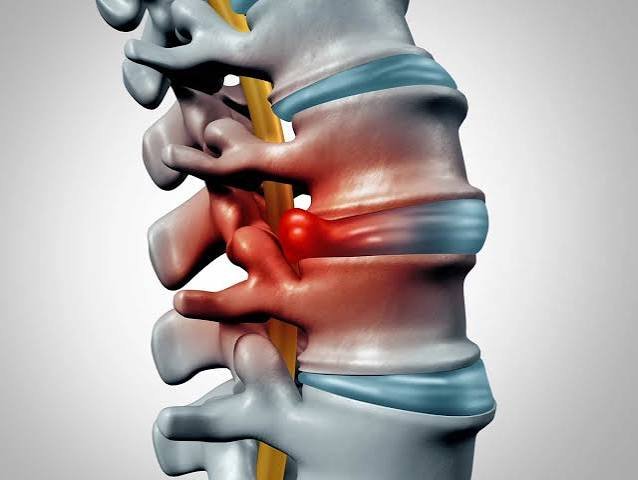
A herniated disc happens when soft material pushes through a spinal disc’s outer layer. This can press on nearby nerves, and that pressure sometimes causes pain, numbness, or weakness. Since many people manage symptoms well with the right plan, daily habits and treatment choices both matter over time.
Symptoms Worth Knowing About
Some people have local back pain, while others have pain traveling down a leg or arm. Numbness, tingling, and muscle weakness can appear, and these signs often shift throughout the day. You may notice more discomfort when sitting, and standing or walking sometimes brings relief. Track your symptoms, so clear patterns can help your physician choose the right treatment. Sharp pain with sudden weakness needs prompt attention.
A herniated disc in the lower back often affects the sciatic nerve, and this can send sharp pain down one leg. Symptoms may flare after certain movements, while they often ease with rest or positional changes. Keep a simple log of when your pain peaks, what makes it worse, and what brings relief. This information gives your physician a clearer picture, and it helps guide the next steps for your care.
Treatment Options for Herniated Discs
Here is a quick overview of the minimally invasive treatment options available for herniated disc pain:
- Medication management: Controls pain and supports recovery while conservative methods take effect.
- PRP injections: Use your own blood components to support tissue near the affected disc.
- Radiofrequency ablation: Applies heat to specific nerves to reduce pain signals for months at a time.
- Spinal cord stimulation: Delivers mild electrical pulses near the spinal cord to interrupt pain signals.
- Peripheral nerve stimulation: Targets localized nerves outside the spinal cord, with a trial option before permanent placement.
Treatment usually starts with conservative methods. Rest, physical therapy, and activity changes often reduce symptoms, since they carry low risk. Physical therapy builds strength around the affected disc, and a therapist can guide you through safe movements that support recovery. Medication management supports these efforts, and it helps control pain while your body heals. Your physician may adjust medications as symptoms change, and this ongoing management keeps your comfort and function in balance.
Habits That Protect Your Spine
Daily habits shape long-term outcomes. When sitting, choose a chair with lumbar support, and keep your feet flat on the floor. Lift with your legs, keep loads close to your body, and avoid twisting under weight. Even small lifting tasks can stress the spine, so move with intention throughout your day. Regular movement matters because prolonged sitting increases spinal pressure. Maintain a healthy weight, stay hydrated, and sleep on a supportive surface. Consistent changes add up, and they often aid your treatment plan.
Manage Your Herniated Disc
A tailored plan combines proven treatments with practical daily habits, and it adapts as your symptoms change. Living with a herniated disc is manageable with the right guidance. Speak with a pain management specialist, review your options, and take the next step toward lasting relief. Contact your team today to schedule your evaluation, since you can build a plan suited to your needs.