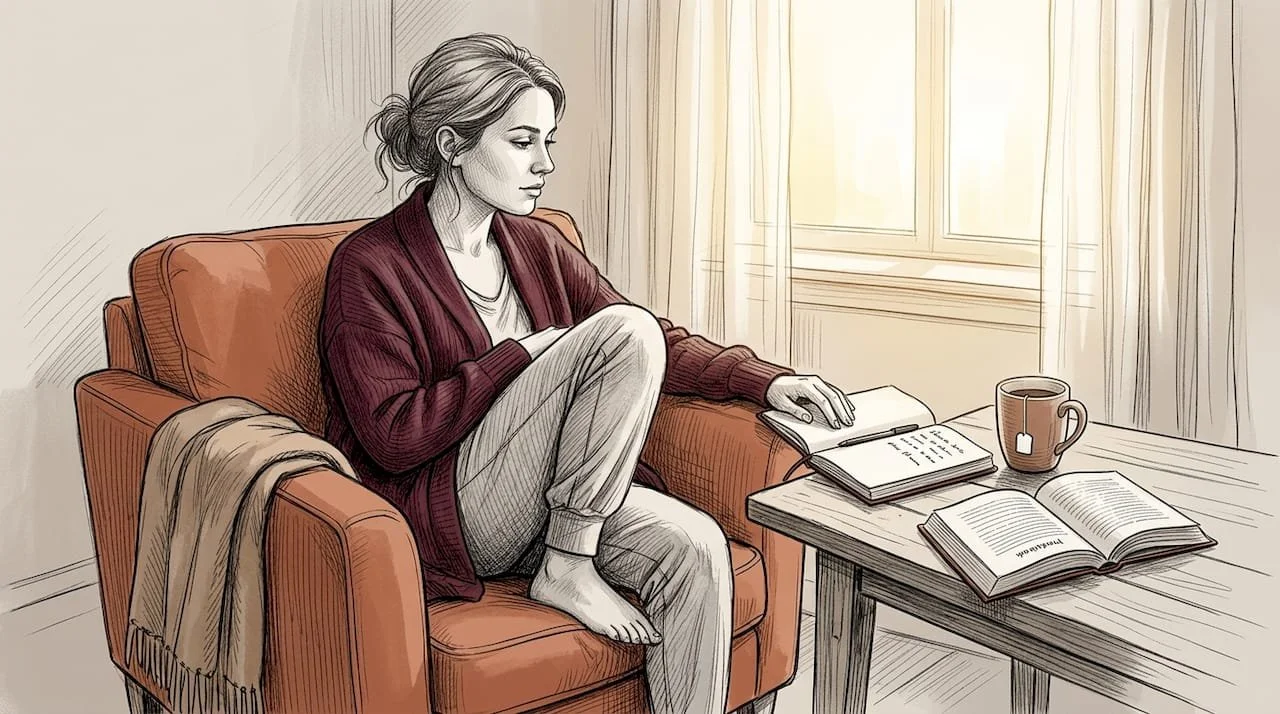
Getting enough sleep should leave you feeling restored. Yet some people wake up already exhausted, struggle to think clearly, and watch their energy disappear before the day is half over. Coffee may provide a temporary lift, but the tiredness soon returns.
When fatigue continues for weeks or begins interfering with work, relationships, exercise, and ordinary responsibilities, seeking help with persistent tiredness may be more appropriate than simply trying to rest more. Persistent exhaustion is not a diagnosis on its own. It is a symptom that may have several possible explanations, sometimes working together.
When Tiredness Becomes Something More
Normal tiredness usually has an obvious cause. A late night, a stressful week, intense physical activity, or an unusually demanding schedule can leave anyone drained. After proper rest and recovery, energy generally begins to return.
Chronic fatigue feels different. It may continue despite adequate sleep and can make even simple tasks seem unusually difficult. Some people also experience poor concentration, irritability, low motivation, headaches, muscle discomfort, or a heavy feeling that does not disappear after slowing down.
A person does not need to identify the cause alone. Long-lasting or unexplained fatigue should be evaluated by a qualified healthcare professional, particularly when it is becoming worse or affecting everyday life.
Why Sleep Is Not Always the Answer
Sleep quality matters just as much as the number of hours spent in bed. A person may appear to sleep through the night while experiencing repeated interruptions, breathing problems, restless movement, or an irregular sleep schedule.
Stress can complicate the picture. Someone may feel physically exhausted but mentally alert at bedtime, making it difficult to fall asleep or reach restorative sleep. The next morning begins with another energy deficit, and the pattern repeats.
Improving sleep habits can help, but it may not solve fatigue caused by another health issue. That is why persistent symptoms require a broader view rather than a single quick fix.
Common Factors Behind Persistent Fatigue
There is no universal cause of chronic fatigue. Nutrient deficiencies, anemia, thyroid disorders, blood sugar problems, infections, chronic pain, depression, anxiety, sleep disorders, medications, and other medical conditions may all contribute to low energy.
Hormonal changes may also affect sleep, mood, concentration, and stamina. Digestive problems can influence appetite and nutrient intake, while prolonged stress may change eating habits, physical activity, and sleep patterns.
These possibilities do not mean that every tired person has a hidden hormonal or digestive disorder. They show why guessing based on symptoms alone can be misleading. Fatigue overlaps with many conditions, so the wider health picture matters.
What Your Energy Patterns Can Reveal
The timing of fatigue can provide useful clues. One person may feel worst immediately after waking, while another experiences a sharp afternoon crash. Someone else may feel reasonably well until physical or mental effort causes a prolonged decline.
Keeping a simple energy diary can help identify patterns. Notes might include sleep quality, meals, caffeine use, stress, exercise, medications, menstrual changes, digestive symptoms, and the times when energy rises or falls.
This information does not provide a diagnosis, but it gives a healthcare professional a clearer picture of what is happening. It may also reveal habits that are quietly contributing to the problem.
Why Testing May Be Part of the Process
Because fatigue has so many possible causes, evaluation usually begins with a detailed conversation about symptoms, medical history, medications, lifestyle, and recent changes. A physical examination and targeted laboratory tests may follow.
Testing should be selected according to the individual rather than ordered without a clear purpose. Depending on the symptoms, a clinician may consider blood counts, thyroid function, blood sugar, nutrient levels, liver or kidney function, inflammation markers, or other appropriate measurements.
The goal is not to search endlessly for an unusual explanation. It is to identify or rule out reasonable causes and avoid treating fatigue with random supplements or restrictive diets before understanding what the body may actually need.
Building a More Personalized Recovery Plan
Two people can describe nearly identical exhaustion and still require very different plans. Someone with poor sleep habits may benefit from sleep-focused changes, while a person with a confirmed nutrient deficiency may need targeted nutritional support. Another individual may require treatment for an underlying medical or mental health condition.
A personalized approach may combine nutrition, appropriate supplementation, stress management, sleep support, movement, and regular follow-up. Progress can then be reviewed over time, with adjustments based on symptoms and clinical findings.
Supplements should not automatically be treated as harmless. They can interact with medications, create side effects, or provide amounts the body does not need. Professional guidance helps keep the plan focused and safe.
Fun fact: Fatigue and sleepiness are not exactly the same. Sleepiness describes the urge to fall asleep, while fatigue is more often experienced as a lack of energy, motivation, or physical and mental stamina.
When to Seek Professional Support
Fatigue should not be ignored when it lasts for several weeks, has no clear explanation, or makes normal activities difficult. Prompt medical attention is especially important when exhaustion appears with chest pain, shortness of breath, fainting, unexplained weight changes, severe weakness, bleeding, or significant changes in mood.
There may not be one dramatic answer behind persistent fatigue. The cause can be straightforward, complex, or influenced by several factors at once. A careful assessment, appropriate testing, and an individualized plan offer a more sensible path forward than simply trying to sleep longer or push through another difficult day.