A physical exam checks your overall health. You may need one for many reasons, and the process follows clear steps. Knowing what to expect helps you be prepared, so you can arrive ready to answer questions and share concerns. Whether you need an annual checkup, a work clearance, or a sports form, the visit follows a similar path, and each step serves a purpose.
Preparation Steps Before Arriving
Preparation makes your appointment smoother. Bring your insurance card, medication list, and any required forms. A work physical may require employer paperwork, and a DOT physical requires specific documents. Gather these items early to avoid delays, and so your provider gets the details needed. It also helps to review your personal health history before you arrive. Think about any symptoms you’ve noticed, and jot them down.
Your provider can only work with the information you share, so being thorough helps them give you accurate guidance. If you take supplements or over-the-counter medications, include those on your list too. Some exams require listening to your chest or checking your joints, and loose layers make that process faster. If you wear glasses or hearing aids, bring them along. Vision and hearing checks are part of many exams.
Exam Assessment and Checks
Staff record key measurements, and a nurse may ask about your lifestyle to complete the full picture of your health:
- Height and weight are tracked together to support your overall care plan.
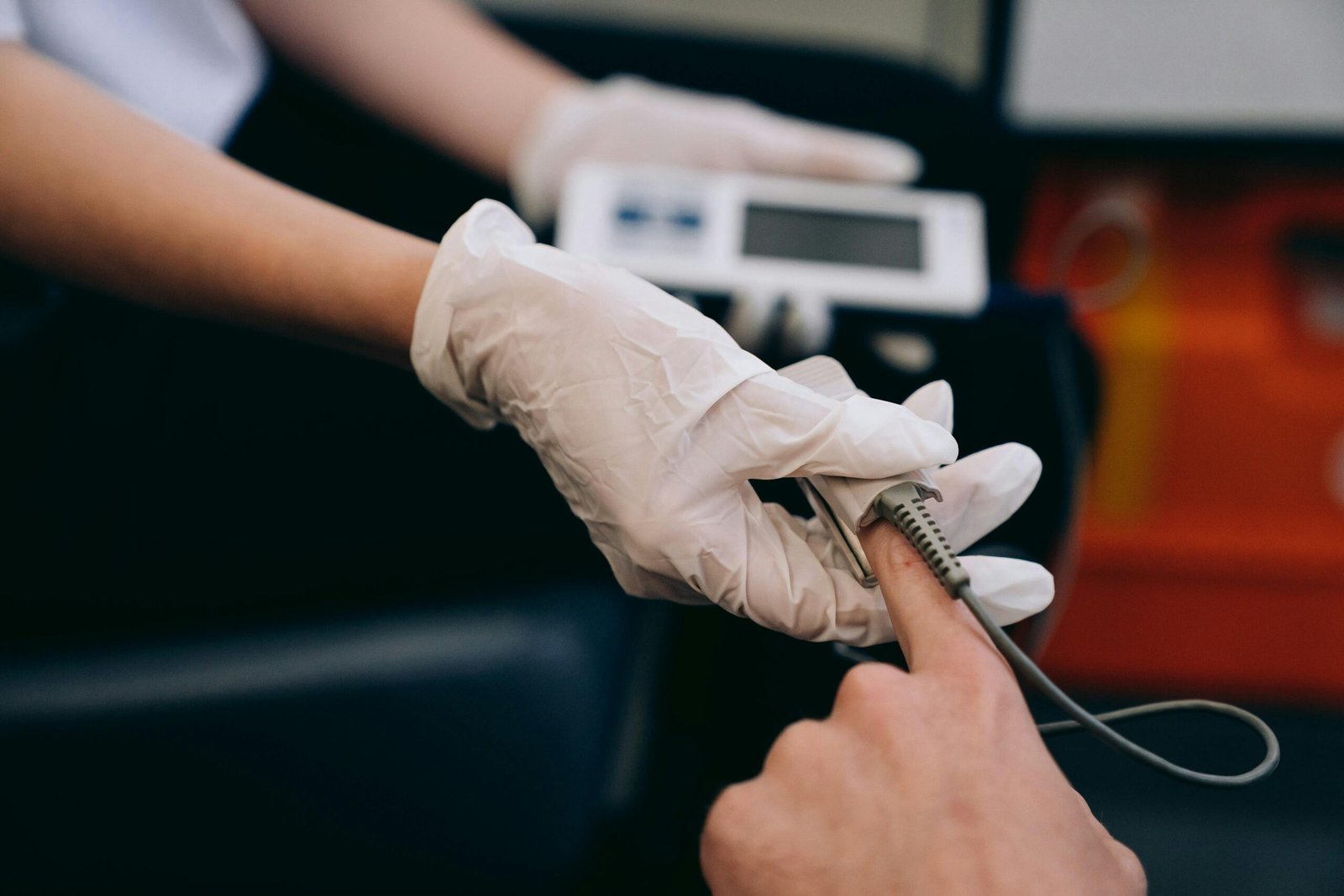
- Temperature and oxygen levels are recorded to round out your baseline health readings.
- Sleep, diet, activity, and stress are reviewed so your provider can offer practical, relevant guidance.
- Tobacco, alcohol, or substance use affects many areas of health.
Your provider then reviews your medical history. Discuss past conditions, current symptoms, ongoing treatments, and family health patterns. Mention heart disease, diabetes, or cancer on either side of your family if you are aware of them. Bring your medication bottles if you are unsure of names or dosages, because accurate information here prevents errors later. Next comes the hands-on portion. Your provider listens to your heart and lungs, and they will examine your abdomen. Your skin, eyes, ears, nose, and throat are also checked for signs of infection or inflammation.
Results and Next Steps
Steps after the exam depend on your results, since different paths are available. Work physicals may require a separate report sent directly to your employer. Your provider can clarify what information is shared and what remains private. Follow-up care is a normal part of many exams. If your provider identifies a concern, they will explain it clearly and outline the next steps. A referral to a specialist may be recommended, and your provider will help coordinate that process. You do not need to figure it out alone, and asking questions before you leave helps you understand what comes next. Keep a personal record of your results when possible. Tracking your numbers over time helps you notice changes and gives you something to reference at future visits. Your provider tells you which values to watch, and they can discuss what ranges are healthy for your age and history.
Book a Physical Now
A physical exam gives you a clear view of your health. The process is straightforward, and each step supports an accurate result. Gather your documents, note your questions, and choose the exam that fits your needs. Whether you require an annual checkup, a sports form, or a DOT physical, they are ready to help.
- Understanding the Causes and Symptoms of Plantar Fasciitis
- Why International Buyers Are Turning to a Buyer’s Brokerage in Panama
- How EMDR Therapy Facilitates Healing From Past Experiences
- Exploring the Benefits of IV Therapy for Enhanced Hydration and Wellness
- How To Get a Medical Marijuana Card and What To Expect During the Process