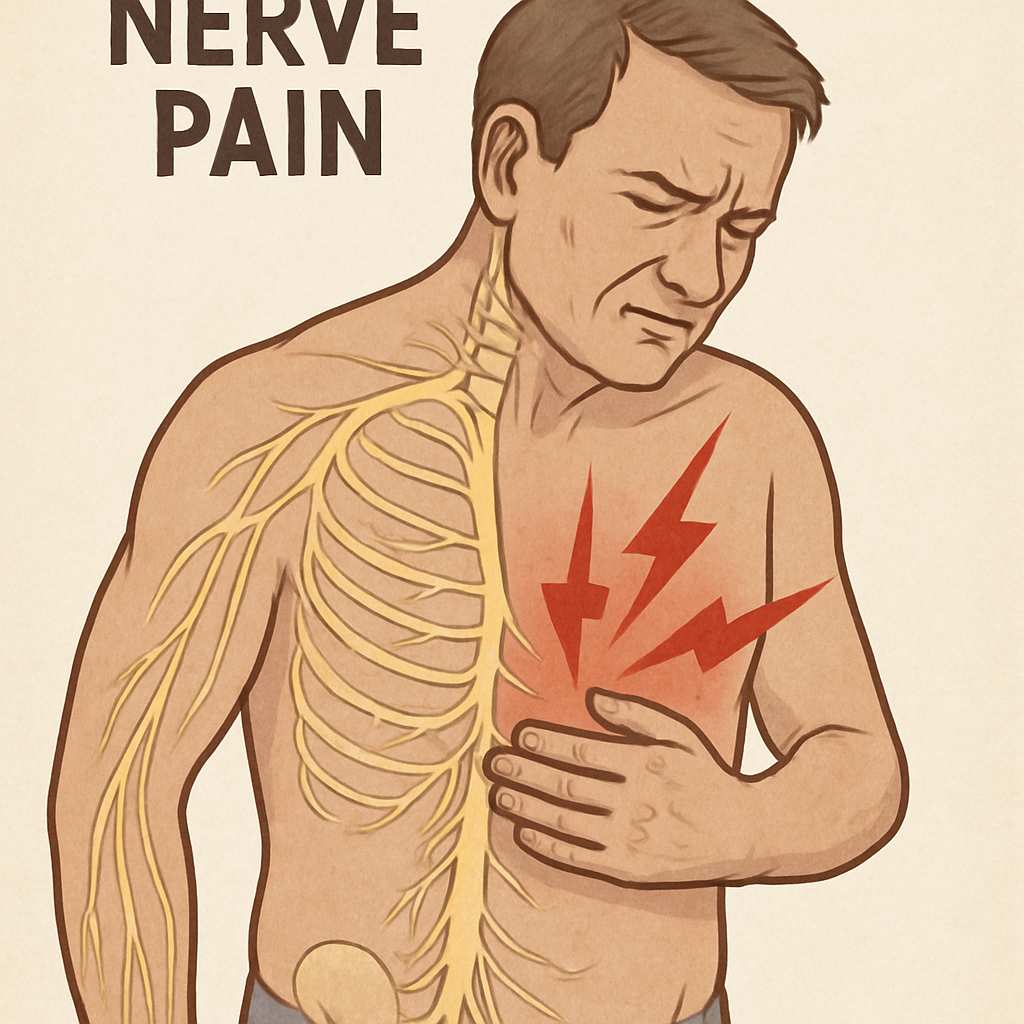
Complex regional pain syndrome (CRPS) is a chronic condition, and it typically affects one limb after an injury, surgery, or trauma. Doctors group the treatments below into several categories, and each one targets pain in a different way. If you live with CRPS, knowing your options helps you talk with your care team. Here are some treatment options for CRPS:
Prescription Medications
Medications may be the first step in a CRPS treatment plan. Doctors prescribe several drug types, and each one works on a different pain pathway. Since responses vary from person to person, your provider may adjust doses over time.
Medication categories include a few main groups:
- Nonsteroidal anti-inflammatory drugs for swelling
- Prescription nerve pain medications
- Topical creams applied to the affected area
Your doctor reviews your history before choosing a medication. Some patients take one drug, while others combine several under supervision. If side effects appear, tell your provider so the plan gets adjusted quickly.
Spinal Cord Stimulation
Spinal cord stimulation uses a small device placed near the spine, and it sends mild electrical pulses that interrupt pain signals. When medications alone fall short, your doctor may suggest this option. The process starts with a trial period. A temporary lead tests how your body responds, and you report the results to your team. If the trial helps, the surgeon implants a permanent device.
Physical Therapy
Physical therapy plays a significant role in managing CRPS. Therapists guide movement, and gentle exercise keeps the affected limb active. Since inactivity often worsens stiffness, early therapy is part of many plans.
A specialist builds a routine around your specific limits. Sessions may include several approaches:
- Range-of-motion exercises
- Desensitization techniques for sensitive skin
- Motor imagery that is graded
- Mirror therapy for the affected limb
You practice some exercises at home between visits. A medical provider tracks your progress, and the plan shifts as your abilities change. If a movement causes sharp pain, pause and report it.
Intrathecal Drug Pumps
An intrathecal drug pump delivers medication straight to the spinal fluid. The pump sits under the skin, and a thin catheter carries the drug to the spine. Doctors typically reserve this option for severe or hard-to-treat cases.
This method uses smaller drug doses than pills require. A surgeon implants the pump during a procedure, and the team programs the delivery schedule. Since the medication bypasses the digestive system, some patients report fewer oral side effects.
Follow-up visits keep the pump working correctly. Staff refills the reservoir on a set schedule, and they adjust settings when needed. If you notice changes in your pain, contact your clinic. This approach can provide significant relief and improve quality of life for patients with chronic pain conditions.
Schedule Treatment for CRPS
CRPS treatment combines more than one approach, and your care team reviews your symptoms and builds a plan around your needs. Since every case differs, the right mix takes time to find. Options range from medications to implanted devices; you and your provider weigh each choice together, and you decide the next step as a team. If your symptoms change, your plan changes too. Call a pain specialist today to schedule a consultation with a care team.
- What To Expect During Your First Gynecologist Appointment
- How Hiring Plumbing Services in Glendale Prevents Slab Leaks
- How Historic Homeowners Utilize Plumbing Services in Portland to Prevent Winter Pipe Freezes
- The Role of Regular Check-Ups With Your Gynecologist
- Understanding the Benefits of Non-Surgical Spinal Decompression for Chronic Pain Relief