Endometriosis is a health condition that can affect women, typically during their reproductive years. It influences daily life, physical comfort, and overall well-being, but people may remain unfamiliar with what it involves. Gaining a clear understanding of this condition can help women recognize when to seek guidance from a medical professional.
What Is Endometriosis?
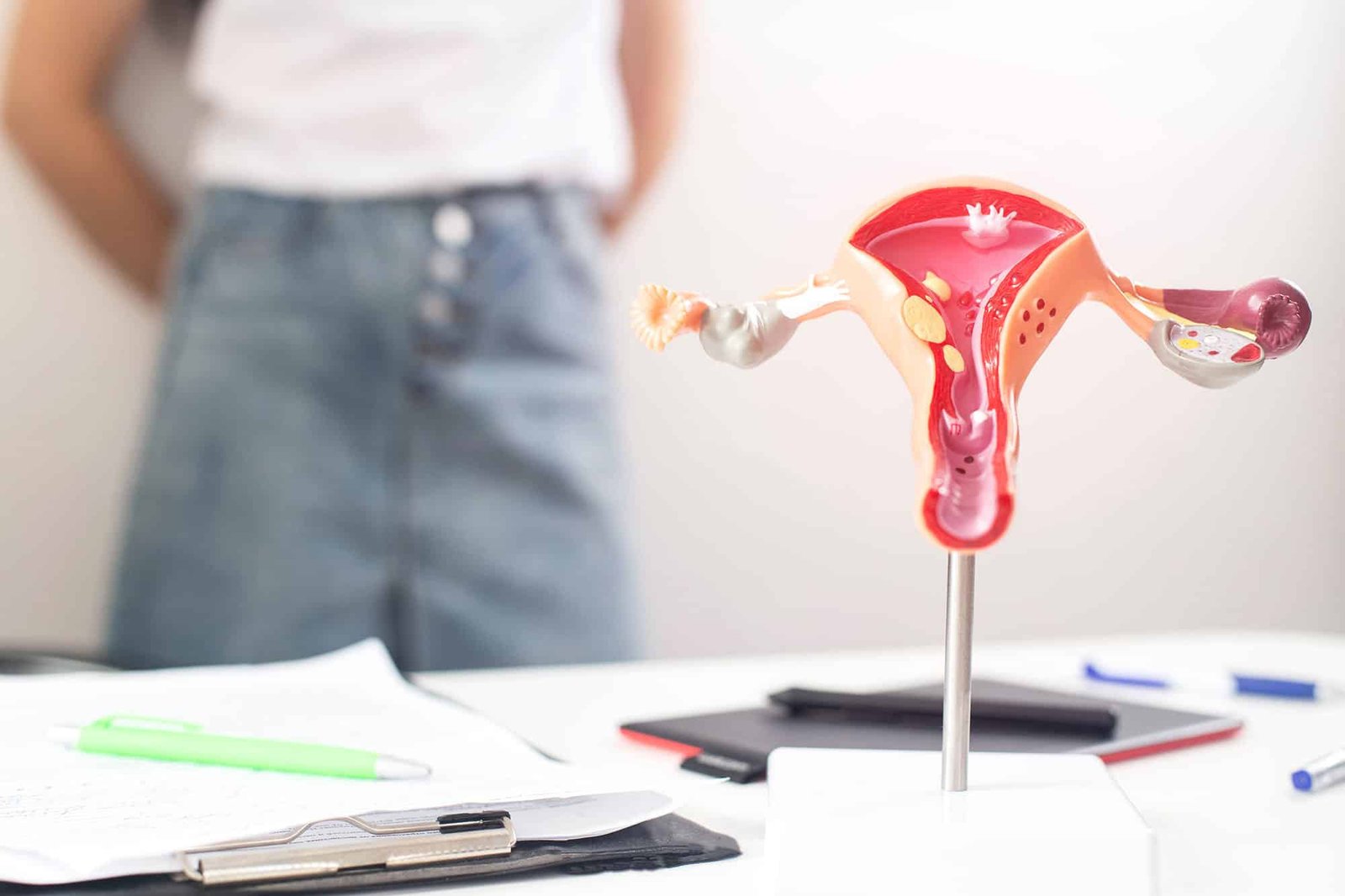
Endometriosis occurs when tissue similar to the lining of the uterus begins to grow in places outside the uterus. This tissue may appear on the surfaces of many organs within the pelvic region, such as the ovaries and fallopian tubes. During a normal menstrual cycle, the lining inside the uterus thickens and then sheds. The tissue that grows outside the uterus responds in a similar way, but it has no path to leave the body. It can become trapped as a result, leading to irritation and the formation of scar tissue over time.
The exact cause of endometriosis is not fully understood. Researchers have studied several possible explanations, including genetic factors, hormonal influences, and the way menstrual tissue moves within the body. The condition ranges from mild to more extensive, and the degree of tissue growth does not always match the level of discomfort a woman experiences. Some women with widespread tissue report few symptoms, while others with limited growth experience noticeable effects.
What Are the Signs?
The signs of endometriosis vary from one person to another. Pain is among the most frequently reported experiences, and it often relates to the menstrual cycle. Many women describe discomfort in the lower abdomen or pelvic area that may begin before a period and continue throughout it. Some also notice pain during or after physical intimacy, as well as discomfort during bowel movements or urination.
Other signs may include heavy menstrual bleeding or bleeding between periods. Fatigue, bloating, and digestive changes can also accompany the condition, especially during a menstrual cycle. Women learn they have endometriosis while seeking help with difficulty becoming pregnant in some cases; this is because the condition may affect fertility.
These signs overlap with other health concerns, so endometriosis is sometimes mistaken for different conditions. A woman who notices persistent or worsening symptoms may benefit from speaking with a gynecologist. They can evaluate the situation, allowing them to recommend appropriate next steps.
How Does It Impact Health?
Endometriosis may influence several areas of a woman’s health and daily routine. Ongoing pain can interfere with daily activities. The condition may have physical effects beyond pain. Scar tissue and adhesions can develop, and this sometimes causes organs within the pelvis to bind together. For women who wish to become pregnant, endometriosis is one of the factors a medical professional may examine.
The degree of impact differs case by case. Some women manage their symptoms with minimal disruption, and others find that the condition shapes many aspects of their lives. Regular monitoring and open communication with a healthcare provider allow women to track changes and adjust their care over time. Early attention to symptoms can support better management, helping women maintain their daily activities with less discomfort.
Confer With a Gynecologist
Endometriosis is a manageable condition, and understanding its signs is a rational first step toward addressing it. Because symptoms may resemble those of other health issues, a proper evaluation by a gynecologist offers direction. A provider can review a woman’s medical history, perform an examination, and discuss options suited to her individual needs.
- What To Expect During Your First Gynecologist Appointment
- How Hiring Plumbing Services in Glendale Prevents Slab Leaks
- How Historic Homeowners Utilize Plumbing Services in Portland to Prevent Winter Pipe Freezes
- The Role of Regular Check-Ups With Your Gynecologist
- Understanding the Benefits of Non-Surgical Spinal Decompression for Chronic Pain Relief