An eye exam is a routine appointment that measures how well you see and checks the overall condition of your eyes. People may only schedule one when they notice a problem, but these appointments serve a broader purpose. They give an eye care professional the opportunity to review your vision, examine the structures inside and around your eyes, and record changes over time. Whether you have worn glasses for years or have never needed them, understanding what an eye exam involves can help you approach the appointment with clarity.
What Is an Eye Exam?
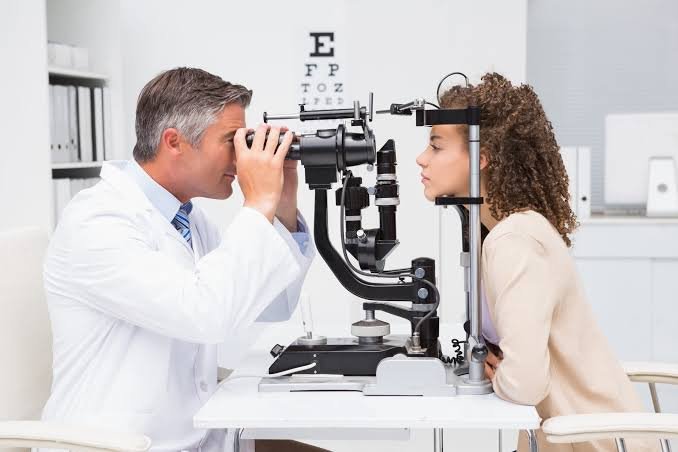
An eye exam usually follows a series of straightforward steps. The visit can begin with a short discussion about your general health, any medications you take, and any changes you have noticed in your vision. This background helps the professional tailor the examination to your needs. You may read letters or symbols from a chart placed at a set distance. This measures how clearly you can see, and it helps determine whether corrective lenses would improve your sight. You may also complete tests that check how your eyes work together and how well they track movement.
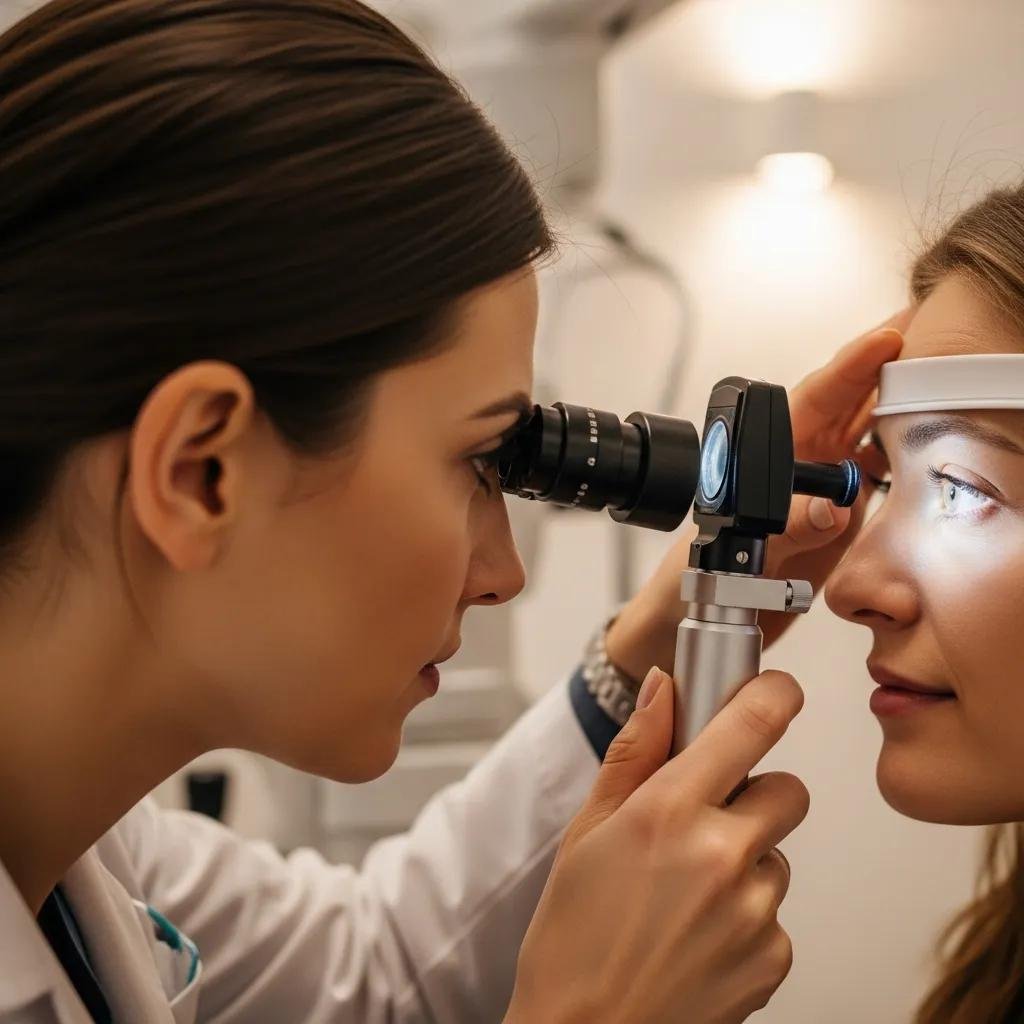
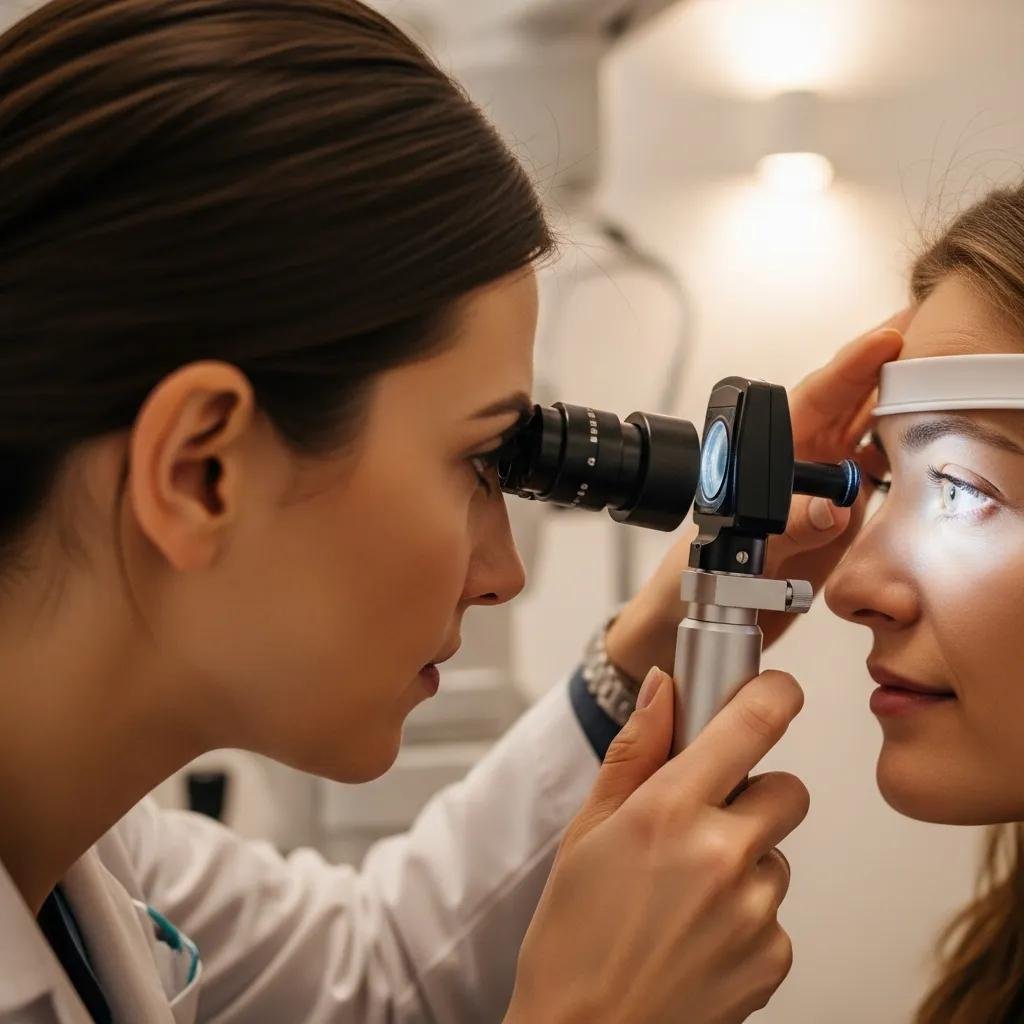
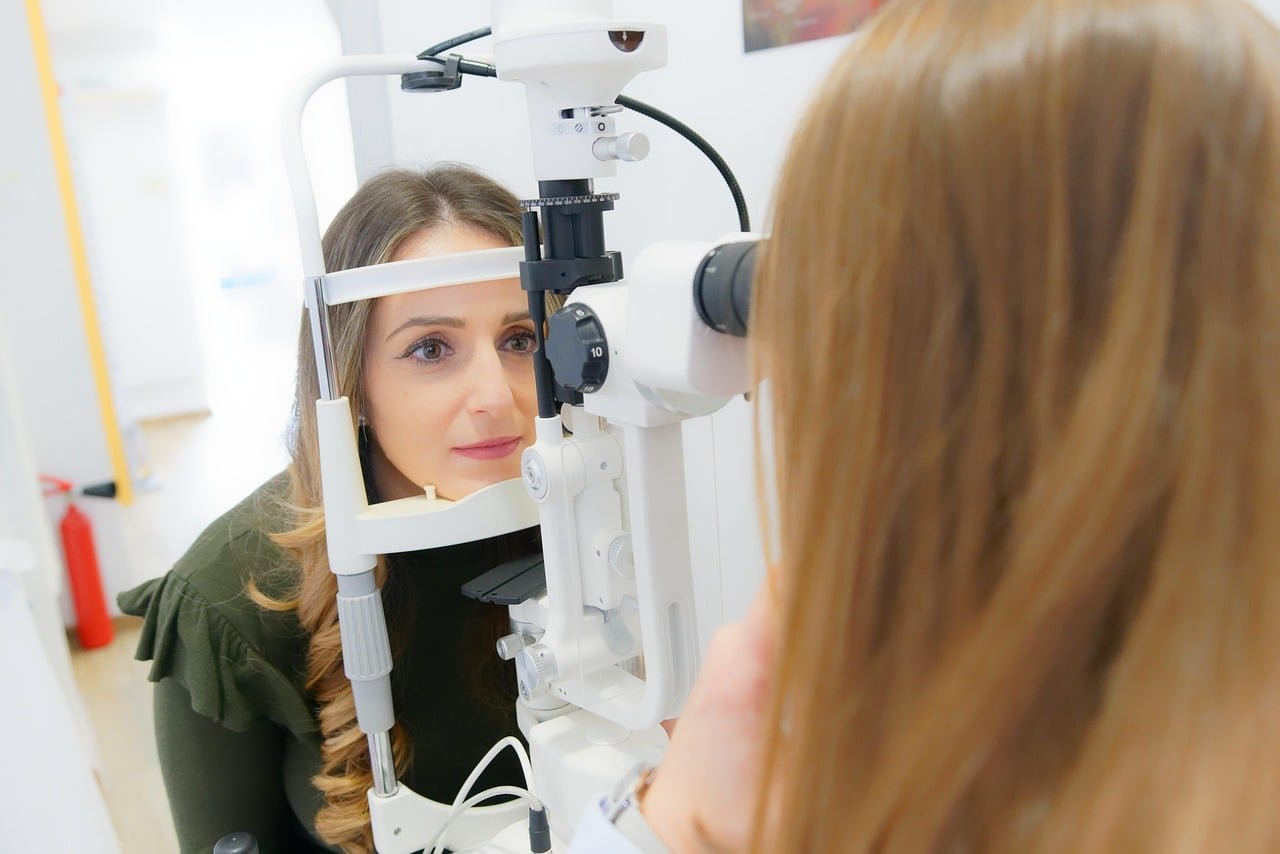
The professional can then look at the front and back of your eyes, using specialized instruments. Some exams include drops that widen the pupils, and this allows for a clearer view of the inner structures. A test that measures pressure inside the eye may also be part of the appointment. Each step gathers information about the health of your eyes.
When Should You Schedule One?
Timing depends on your age, your vision history, and any symptoms you may notice. Adults with no known vision concerns can schedule an exam every one to two years, but those who wear corrective lenses typically visit more frequently. An eye care professional may recommend a schedule suited to your situation. Certain signs suggest you should book an appointment sooner, including:
- Vision that is blurred
- Headaches or eye strain
- Difficulty seeing at night
- Trouble focusing on screens or reading material
Adults over 60 may need more frequent visits, since the risk of certain eye conditions tends to rise with age. If a family member has a history of eye disease, more regular checks can be advised.
What Are the Benefits?
Regular eye exams offer several practical advantages. The most direct benefit is clearer vision; an accurate prescription can sharpen what you see and reduce strain during daily tasks. Routine appointments also create a record of your eye health over time. When a professional can compare results from year to year, subtle changes become easier to spot. Early detection of certain conditions often leads to more manageable outcomes, which is one reason regular visits are encouraged.
Eye exams can reveal more than vision quality alone. The eyes contain visible blood vessels and nerves, so an examination may highlight signs that warrant a closer look at your general well-being. This makes the appointment a useful part of your broader health routine, potentially detecting unidentified conditions.
Schedule an Eye Exam
An eye exam is a simple step that supports both your vision and your long-term eye health. Making these appointments a regular habit allows you to stay informed about any health changes, and they allow a specialist to update your prescription when needed. When you arrive, bring your current glasses or contact lenses so the professional can review your existing prescription.
- Understanding the Causes and Symptoms of Plantar Fasciitis
- Why International Buyers Are Turning to a Buyer’s Brokerage in Panama
- How EMDR Therapy Facilitates Healing From Past Experiences
- Exploring the Benefits of IV Therapy for Enhanced Hydration and Wellness
- How To Get a Medical Marijuana Card and What To Expect During the Process