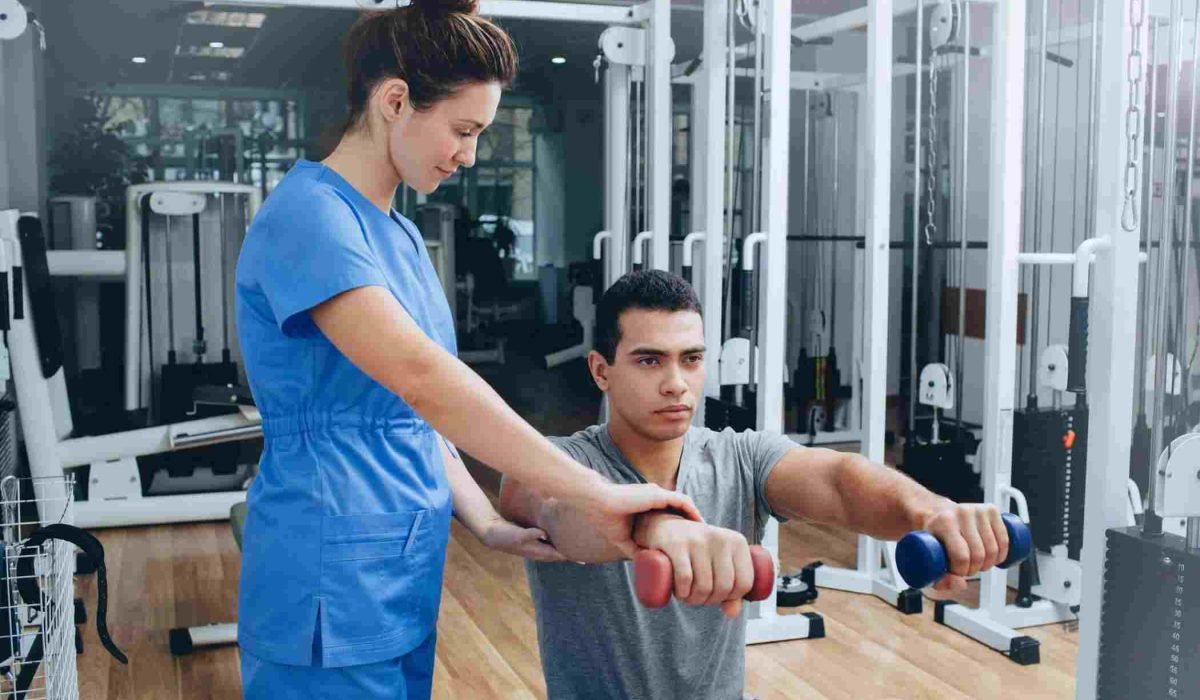
Sports injuries can affect muscles, bones, joints, ligaments, and tendons, limiting movement and athletic performance. Proper diagnosis, treatment, and rehabilitation can support healing and reduce the risk of complications. Here are some common sports injuries and strategies to support recovery:
Common Sports Injuries
Sports injuries affect muscles, ligaments, tendons, and bones. Recognizing the injury early helps guide the next steps, though a qualified professional should confirm any diagnosis. Sprains happen when ligaments stretch or tear. A twisted ankle during a run often produces swelling, and the joint may become unstable. Muscle strains involve overstretched or torn muscle fibers, and they often occur after sudden movements or overexertion.
Rotator cuff tears affect the shoulder tendons, and they may develop from repeated overhead motions or a single forceful strain. ACL tears involve a key knee ligament; athletes who pivot or land awkwardly frequently report a popping sensation followed by swelling. Meniscus injuries damage the cartilage that cushions the knee, and twisting movements often trigger them. Fractures, which are broken bones, range from small cracks to complete breaks, and they demand prompt professional attention.
Immediate Symptom Relief
Prompt care after sports injuries supports comfort and may limit further harm. Here are some key steps that can provide immediate relief:
- Rest the injured area: Stop the activity and avoid movements that aggravate the pain.
- Apply cold: Use an ice pack wrapped in cloth for short intervals, and this may help reduce swelling.
- Compress gently: Wrap the area with an elastic bandage, and keep it snug but not tight.
- Elevate the limb: Elevate the injured area above heart level when possible to ease swelling.
- Monitor changes: Watch for increasing pain, swelling, or loss of function, and seek care if symptoms worsen.
Safe Recovery Practices
Rushing back to activity can undo recovery progress. A specialist can design a plan that gradually restores strength, flexibility, and range of motion, and this plan often adjusts as you heal. Physical therapy plays a central role; guided exercises can rebuild function while reducing strain on the recovering tissue.
Some individuals explore treatments such as PRP, which uses components from a patient’s own blood, or minimally invasive surgery for injuries that do not respond to conservative care. A qualified provider evaluates the injury, discusses realistic timelines, and recommends an approach suited to your goals. Following the prescribed steps is fundamental, and consistency during rehabilitation often influences the outcome.
Preventive Training Strategies
Prevention reduces the probability of repeat sports injuries. Here are practical strategies you can incorporate into your routine:
- Warm up before activity: Prepare your muscles with light movement to increase blood flow before intense effort.
- Strengthen supporting muscles: Build strength around key joints such as the knees and shoulders.
- Progress gradually: Increase intensity, distance, or weight in small steps, and give your body time to adapt.
- Use proper technique: Learn correct form for your sport, and deliberate on coaching if a movement feels awkward.
- Rest and recover: Schedule rest days, and make sure you get enough sleep between sessions.
Evaluate Your Sports Injuries Today
Sports and exercise injuries include sprains, strains, ACL tears, meniscus damage, and fractures. Managing early symptoms and following a structured recovery plan contribute to a safe return to activity. Practicing proper technique and seeking guidance when necessary can also significantly reduce the risk of mechanical stress on vulnerable tissues. To evaluate your sports injuries, contact a qualified orthopedic specialist near you to book your appointment today.
- Choosing a Heart Blockage Treatment Hospital: Emergency Care, Procedures and Long-Term Support
- Exploring the Benefits of Family Dentistry for All Ages
- The Role of TMS Therapy in Managing Anxiety Disorders
- The Role of Foot and Ankle Specialists in Sports Injury Recovery
- What To Expect During Your First Gynecologist Appointment