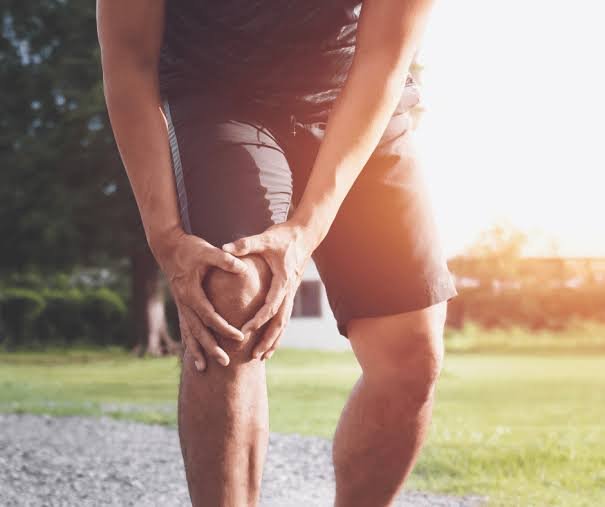
Chronic knee pain affects your daily movement, and it can linger for months. The discomfort might stem from arthritis, past injuries, or simple wear. When pain persists, small changes to your routine may bring some relief. Here are some practical steps you can try at home:
Perform Low-impact Exercise
Low-impact exercise moves your knee without heavy strain. Since your joints carry less force, activities like swimming feel gentler on sore knees. Walking on flat ground works too, and cycling keeps the joint active. Start slowly and build up your pace over several weeks.
Many people find these activities manageable during flare-ups:
- Aquatic aerobics or swimming
- Stationary cycling
- Slow and steady walking
Your muscles support the knee, so stronger legs may reduce daily stress. Choose one activity that fits your schedule to reduce knee pain. When you stay consistent, movement becomes part of your routine.
Stretch Legs Gently
Gentle stretching keeps the muscles around your knee flexible. Since tight muscles pull on the joint, loosening them may ease some discomfort. Try hamstring and calf stretches, and hold each one for 20 seconds. Move slowly through every stretch to avoid sudden strain. A short daily routine takes only a few minutes. Stop right away if a stretch sharpens your pain.
Wear Supportive Shoes
Supportive shoes change how force travels through your legs. When your feet gain stability, your knees may feel steadier during each step. Look for cushioned soles, and pick shoes with firm arch support. Replace worn footwear before the cushioning breaks down.
A few features tend to help people with knee pain:
- Thick, shock-absorbing soles
- Snug, secure heel
- Enough room for your toes to spread
Since unstable shoes shift your alignment, the right pair matters. Skip flat, worn-out styles that offer little padding. Fit each shoe properly before you buy it.
Shoes designed for stability and comfort can help reduce unnecessary pressure on your knees. Always prioritize fit and function over style. While many shoes claim to provide support, it’s important to ensure they promote proper alignment and cushioning, especially if you have a history of knee pain.
Try Hot and Cold Therapy
Hot and cold therapy targets pain and swelling directly. Cold packs numb the area, and they slow inflammation after activity. Apply ice for 15 minutes, then rest your knee. Wrap the pack in a towel to protect your skin.
Heat works differently, since it relaxes stiff muscles and joints. A warm towel or heating pad loosens the area before you move. Use heat in the morning, when your knee feels tight. Alternate the two methods based on how your knee reacts.
Track your response to each approach over a few days. Some people prefer cold after exercise, and others favor morning heat. When you notice a pattern, you gain a simple routine to follow.
Address Chronic Knee Pain
Since knee pain varies from person to person, results differ too. Track what helps and adjust your habits over time. Persistent pain requires a closer look from a professional, so when symptoms worsen or linger, book a visit with your provider, and they can examine your knee and suggest a plan built for you. Reach out today to schedule an appointment and discuss your options.
- Understanding the Causes and Symptoms of Plantar Fasciitis
- Why International Buyers Are Turning to a Buyer’s Brokerage in Panama
- How EMDR Therapy Facilitates Healing From Past Experiences
- Exploring the Benefits of IV Therapy for Enhanced Hydration and Wellness
- How To Get a Medical Marijuana Card and What To Expect During the Process