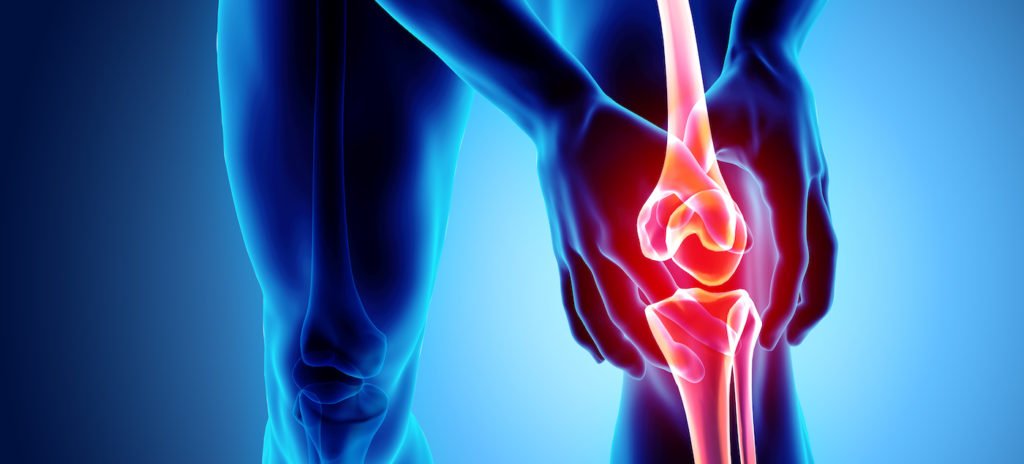
Joint pain is discomfort or soreness in any of the body’s joints, including the knees, hips, and shoulders. Although it affects people of all ages, joint pain becomes more common with age and injury. Physical activity influences how the body manages discomfort over time, and regular movement may support long-term joint function. Here are some ways physical activity impacts pain management:
Relieves Pain
Engaging in regular physical activity can help alleviate joint pain by promoting flexibility and reducing inflammation. Movement prompts the body to release endorphins, and these chemicals reduce the perception of pain. Regular low-impact activity, such as walking or swimming, helps keep joints mobile and may lessen stiffness that builds up during rest. When you stay still for long stretches, joints often feel tighter and more painful upon movement. Gentle exercise gradually loosens the tissues around a joint and keeps the surrounding structures active. Exercise type and intensity matter, and a slow, steady approach usually suits sensitive joints better than sudden bursts of effort.
Supports the Muscles
When the muscles surrounding a joint are weak, the joint absorbs more force during everyday tasks such as climbing stairs or lifting objects. Strength-building activity shifts some of that burden and reduces joint pain. The quadriceps and hamstrings act as a support system for the knee, and they stabilize the joint with each step. Resistance training, bodyweight exercises, and controlled stretching all contribute to muscle strength over time. Added support helps the joint move with greater stability and less strain.
Muscle development takes patience. Progress builds gradually, and small increases in strength add up over time. A structured routine that targets the muscles around affected joints usually produces more consistent results than random or occasional effort. Balance and coordination also improve as muscles grow stronger, which lowers the risk of falls and further injury.
Enhances Circulation
Physical activity increases blood flow throughout the body, including the tissues that surround your joints. Better circulation delivers oxygen and nutrients to these areas while helping to clear waste products. Cartilage, which cushions the ends of bones, has no direct blood supply of its own. It relies on movement to receive nutrients from the surrounding joint fluid. When you move a joint, that fluid circulates and nourishes the cartilage. Sitting for extended periods reduces this exchange, and it can leave joints feeling stiff. Simple activities help keep the blood moving, and some options include:
- Walking
- Cycling
- Swimming or water aerobics
- Gentle stretching
- Yoga or tai chi
- Low-impact strength training
Work With a Joint Pain Specialist
Physical activity is one part of a broader approach to managing joint pain, and the right plan depends on your condition, history, and goals. A pain specialist assesses your condition, and they recommend activities suited to your needs and limits. They also monitor your progress and adjust your routine as circumstances change. Working with a professional helps you move safely and avoid activities that might aggravate your symptoms. Schedule a consultation with a joint pain specialist today to develop a plan built around your needs.
- Understanding the Causes and Symptoms of Plantar Fasciitis
- Why International Buyers Are Turning to a Buyer’s Brokerage in Panama
- How EMDR Therapy Facilitates Healing From Past Experiences
- Exploring the Benefits of IV Therapy for Enhanced Hydration and Wellness
- How To Get a Medical Marijuana Card and What To Expect During the Process