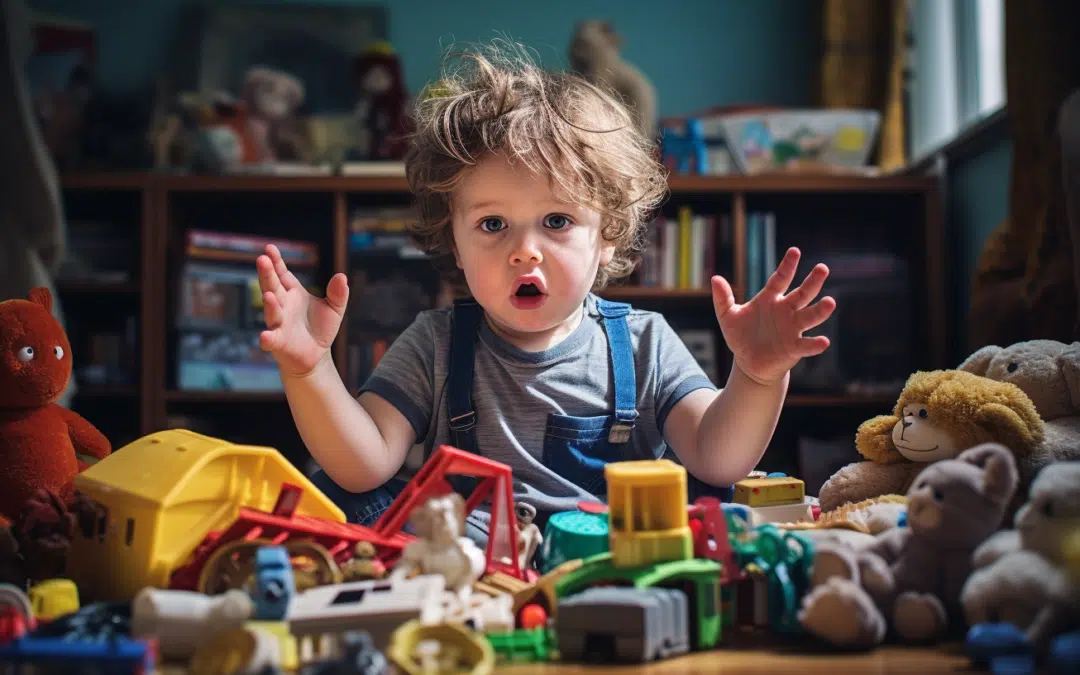
Childhood depression can affect a child’s mood, behavior, relationships, academic performance, and daily activities. A pediatric psychiatrist can evaluate these concerns and identify contributing factors. Here is a closer look at the role of pediatric psychiatrists in managing childhood depression:
Evaluating Depression Symptoms
The evaluation process begins with a detailed conversation; the pediatric psychiatrist gathers information from the child, the parents, and sometimes teachers. This step builds a comprehensive picture of the child’s mood, sleep, appetite, and behavior across different settings. A careful review helps the doctor separate standard developmental changes from patterns that may need attention.
During the assessment, the psychiatrist observes how the child communicates and responds, while also noting any physical or emotional concerns raised by the family. Here are several factors that shape how a psychiatrist reviews symptoms:
- Duration and frequency: The doctor notes how long symptoms have lasted and how often they appear.
- Daily functioning: Changes in school performance, friendships, and family interactions provide key signals.
- Physical patterns: Changes in sleep, energy, and appetite may accompany mood changes.
- Family history: Information about relatives can provide broader context.
Creating Individualized Treatment Plans
After the evaluation, the pediatric psychiatrist develops a plan personalized to the specific child. The doctor tailors recommendations to the child’s age, symptoms, and daily environment. A treatment plan may combine several forms of support, and the psychiatrist explains each option to the family in clear terms. Talk-based therapy, structured routines, and regular check-ins are often part of the approach, and the doctor adjusts the plan as the child grows. Parents receive guidance on what to expect and how to support the child at home.
Coordinating Family and School Support
A psychiatrist rarely works alone; coordination with the people around the child strengthens care. Parents, siblings, and teachers each observe the child in different settings, so their input adds valuable detail. Support at home and at school can affect a child’s daily experience, and the doctor often suggests practical adjustments in both places. Here are some common approaches to coordination:
- Parent guidance sessions: Parents learn strategies to support their child at home.
- School communication: With consent, the doctor may share recommendations with teachers or counselors.
- Structured routines: Predictable schedules for sleep, meals, and study can support daily life.
Monitoring Safety and Progress
Ongoing monitoring is a core part of a pediatric psychiatrist’s role, and regular appointments allow the doctor to track how a child responds. The psychiatrist reviews mood, behavior, and daily functioning at each visit and also notes new concerns raised by the family. Safety receives close attention throughout treatment, and the doctor discusses warning signs with parents so they know what to watch for. If circumstances change, the psychiatrist adjusts the plan accordingly.
Visit a Pediatric Psychiatrist Today
Consistent and specialized care from a psychiatrist plays a significant role in addressing your child’s mental health needs. They evaluate symptoms, create an individualized plan, and coordinate family and school support. They also monitor safety and progress over time through active collaboration with parents. Contact a qualified pediatric psychiatrist near you to schedule your appointment today.
- Understanding the Causes and Symptoms of Plantar Fasciitis
- Why International Buyers Are Turning to a Buyer’s Brokerage in Panama
- How EMDR Therapy Facilitates Healing From Past Experiences
- Exploring the Benefits of IV Therapy for Enhanced Hydration and Wellness
- How To Get a Medical Marijuana Card and What To Expect During the Process