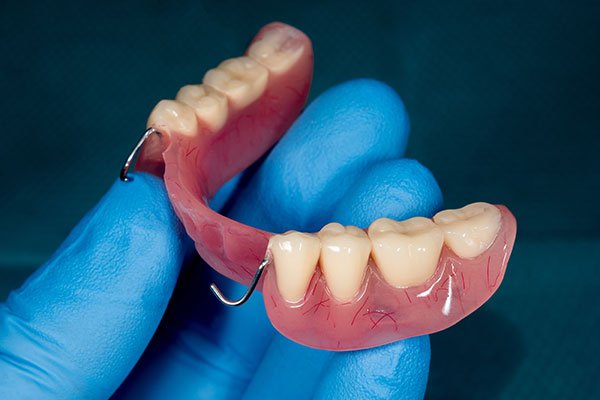

Tooth loss affects millions of adults in the United States. Whether tooth loss occurs from injury, decay, or gum disease, missing teeth can alter how a patient eats, speaks, and looks. Dental implants offer a long-term solution; they mimic the function and appearance of natural teeth. Here is more information on dental implants, how they work, and what the treatment process looks like:
What Are Dental Implants?
Dental implants are artificial tooth roots, typically made from titanium, that are surgically inserted into the jawbone. Once in place, they serve as a stable foundation for a replacement tooth, known as a crown. Unlike dentures, which sit on top of the gums, implants are anchored directly into the bone, making them a fixed, permanent option. The crown attached to the implant is custom-made to match the size, shape, and color of surrounding teeth, and the end result is aesthetic and functional.
How Do They Work?
The titanium post integrates with the jawbone through a biological process called osseointegration; this process is central to the implant’s long-term stability. Bone tissue grows around the implant over several months. As the bone tissue grows and solidifies around the post, it locks the implant firmly in place, providing the structural stability that allows it to withstand normal biting and chewing forces.
Once osseointegration is complete, a small connector piece called an abutment is attached to the top of the implant. The custom crown is then secured to the abutment, and the implant functions like a natural tooth root. Since the implant mimics the function of a natural root, it stimulates the surrounding bone and prevents the bone loss that may follow tooth extraction.
Who Do They Help?
Dental implants are suitable for a specific group of patients with missing teeth, determined by clinical evaluation of bone density, gum health, and overall medical history. Candidates typically include:
- Adults who have lost one or more teeth and have sufficient jawbone density to support the implant
- Patients with healthy gums and no uncontrolled systemic conditions
- Older adults, as age alone is not a disqualifying factor, provided other clinical criteria are met
What Does the Process Involve?
The process begins with a comprehensive clinical consultation. Diagnostic imaging assesses the patient’s bone structure, and the clinician designs a customized treatment plan. The surgical placement of the titanium implant may be performed under local anesthesia. The clinician inserts the titanium post directly into the bone, and the surrounding gum tissue is sutured to facilitate healing. While the tissue heals, the bone integrates with the implant surface through a biological process called osseointegration.
Once osseointegration is confirmed, the dentist attaches the connector abutment to the post. The clinician takes impressions to fabricate the custom prosthetic crown, and after the laboratory creates the crown, the final restoration is permanently secured. Proper clinical aftercare requires diligent daily oral hygiene.
Learn More From a Dentist
Dental implants are a solution for replacing missing teeth. The process is patient-specific, and it is guided by bone density, overall health, and individual treatment needs. The outcome may be a stable, natural-looking tooth that functions reliably for years. If you are missing teeth, speak with a dentist to determine whether implants are the right option for your situation.
- Understanding the Role of Pediatric Orthopedic Specialists in Children’s Health
- Navigating the Process of STD Testing
- When Should You See an Orthopedic Specialist for Hand Pain?
- Understanding the Different Types of Chemical Peels and Their Uses
- The Science of Skin Elasticity: Unlocking Youthful Texture with Bioactive Peptide Complexes