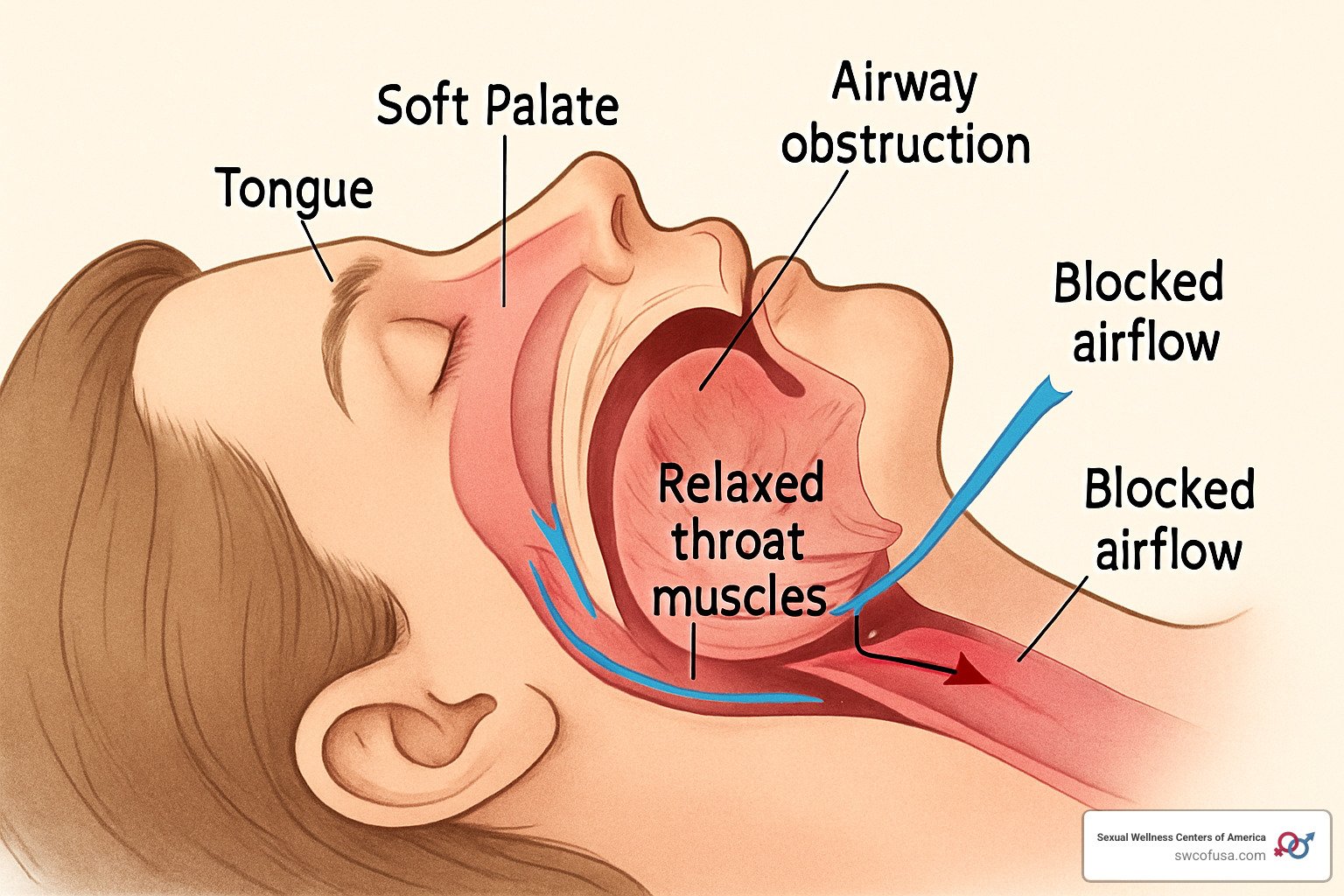
A deviated septum can restrict airflow through the nose and contribute to ongoing breathing difficulties, congestion, and disrupted sleep. When left untreated, these symptoms may become persistent and affect daily comfort, sleep quality, and overall well-being. Here is a closer look at the long-term effects of an untreated deviated septum:
Persistent Nasal Obstruction
An untreated deviated septum tends to keep at least one nasal passage narrow, and that narrowing does not correct itself. You may notice that airflow is blocked on one side, especially during physical activity or when you lie down. This obstruction pushes you to breathe through your mouth more often, which changes how you take in air throughout the day. Here are common signs of persistent nasal blockage:
- Uneven airflow: One nostril feels consistently more open than the other, even when you are not congested.
- Frequent congestion: The blocked side may feel stuffy long after a cold clears.
- Mouth breathing: You rely on your mouth to breathe while exercising or sleeping.
- Pressure sensations: You feel a lingering fullness around the nose or cheeks.
These signs give you a clear picture of how the deviation affects your breathing over time.
Recurring Dryness and Bleeding
When air moves through a narrowed passage, it often travels faster and unevenly, and this can dry out the delicate lining inside your nose. Dry nasal tissue becomes more fragile, so it may crack or crust, which raises the risk of nosebleeds. People with a deviated septum may experience one side feeling drier than the other, reflecting the uneven airflow the deviation creates. Dryness rarely stays a one-time issue; it can become a recurring pattern that affects both nostrils differently. You may find that seasonal changes, dry indoor heating, or air conditioning make the dryness worse.
Disrupted Sleep
A narrowed nasal passage often becomes more noticeable at night, and lying flat can make the blockage worse. When breathing through the nose becomes difficult, you may shift to mouth breathing, which can dry the throat and interrupt the depth of your rest. Poor airflow during sleep sometimes contributes to snoring, and it can leave you feeling less refreshed in the morning. Here are some common effects of restricted nighttime breathing:
- Snoring: Narrow passages can cause vibration and noise as air struggles through.
- Frequent waking: You may stir during the night as breathing changes between sides.
- Daytime fatigue: Disrupted sleep can leave you feeling tired even after a full night’s sleep.
- Dry mouth on waking: Mouth breathing overnight often produces a dry and uncomfortable feeling.
Understanding these signs and addressing them promptly can significantly improve sleep quality and overall health.
Reduced Daily Comfort
Beyond sleep and bleeding, a deviated septum chips away at comfort, and the effect adds up gradually. You feel a constant awareness of restricted breathing, which may make exercise, conversation, or focus more effortful. Some people experience headaches or facial pressure that tie back to the narrowed passage, though these sensations vary from person to person.
The reduction in comfort often influences small choices you make each day. You may avoid certain activities, sleep in specific positions, or keep water nearby to counter dryness. When these adjustments become routine, they signal that the deviation impacts more of your life than you first realized.
Treat Your Deviated Septum Today
An untreated deviated septum causes nasal obstruction, promotes dryness and bleeding, disrupts restful sleep, and reduces your daily comfort. Understanding these effects and recognizing how they influence your habits is key to addressing the issue effectively. Contact a qualified ENT specialist to schedule your appointment and get expert help for treating your deviated septum today.
- Choosing a Heart Blockage Treatment Hospital: Emergency Care, Procedures and Long-Term Support
- Exploring the Benefits of Family Dentistry for All Ages
- The Role of TMS Therapy in Managing Anxiety Disorders
- The Role of Foot and Ankle Specialists in Sports Injury Recovery
- What To Expect During Your First Gynecologist Appointment