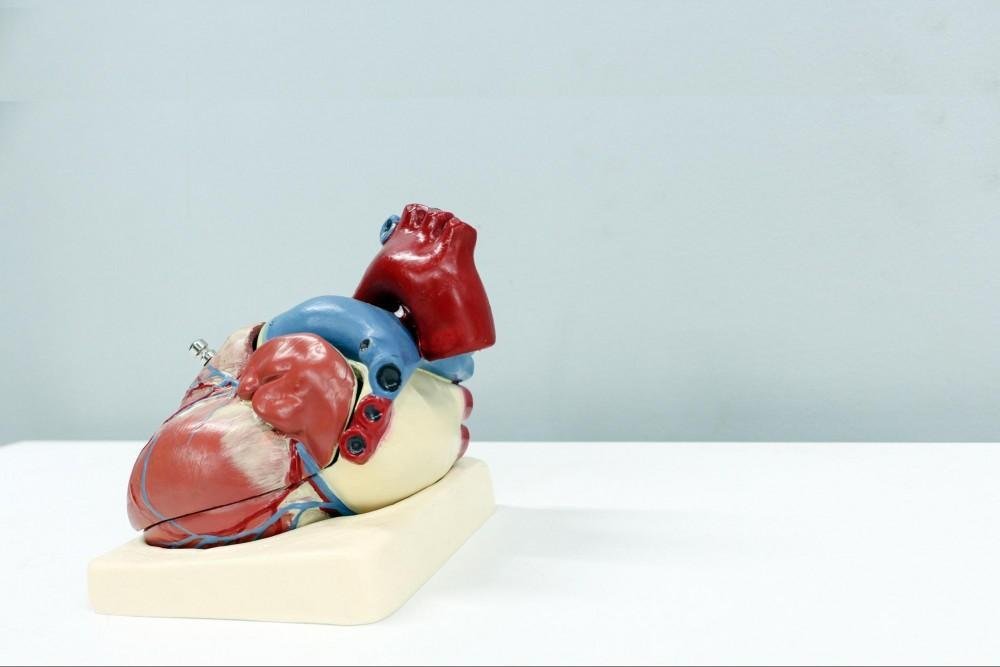
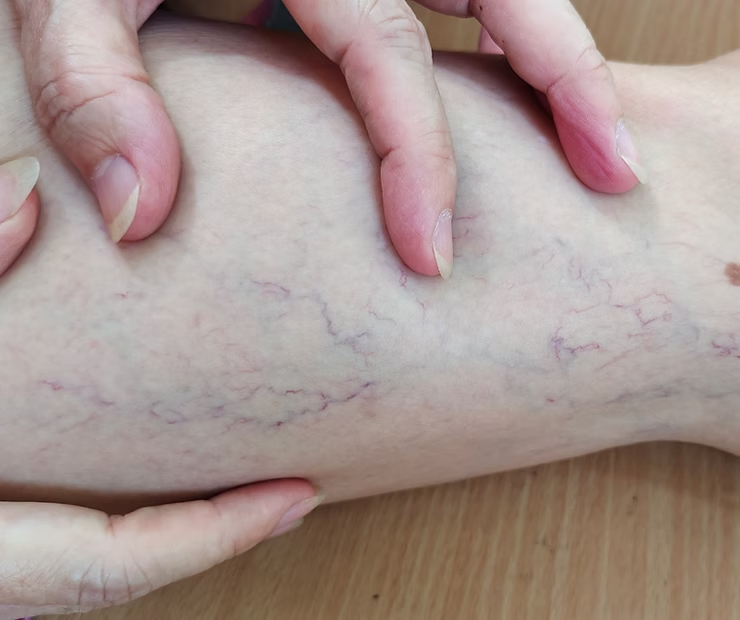
Vascular disease affects the network of blood vessels that carry blood throughout your body. When these vessels narrow, become blocked, weaken, or are damaged, blood cannot flow as it should. Doctors diagnose vascular conditions through a combination of physical exams and imaging tests. Tests such as ultrasound, angiography, CT scans, or the ankle-brachial index help reveal how well blood flows through your vessels. Early detection often gives you more options for managing the condition, as vascular diseases can greatly impact your daily life.
Developing Over Time
Many parts make up your vascular system, including your arteries, veins, and lymphatic vessels. Most vascular diseases develop gradually, often appearing later in life. Factors such as age, high blood pressure, high cholesterol, diabetes, and smoking can contribute to changes in the blood vessels over many years. Because these conditions build slowly, some people may not notice symptoms until the disease has advanced.
Blood clotting vascular conditions follow a different pattern. Some clotting disorders are inherited, so they must be managed much sooner in life. People with a family history of clotting conditions may need monitoring during childhood or early adulthood rather than waiting for symptoms to appear. Some common forms of vascular disease include:
- Peripheral Artery Disease
- Deep Vein Thrombosis
- Varicose Veins
- Aneurysms
Interfering With Daily Activities
Vascular disease can change how you approach ordinary tasks, often due to reduced blood flow. Reduced circulation in the legs may cause pain or cramping when walking, so some people limit how far they walk. Standing for long periods often becomes uncomfortable, too, and simple errands may take more planning than before.
Swelling, numbness, or fatigue can also disrupt your routine due to vascular problems. You might adjust your work schedule or avoid activities that once felt effortless. Sleep can be disrupted when leg discomfort occurs at night, which usually affects energy levels the following day. When physical activity becomes harder, some people participate less in hobbies or gatherings.
Worsening Over Time
Without management, vascular diseases can progress. Narrowed arteries may further restrict blood flow, leading to more frequent pain, slower wound healing, or reduced mobility. Advanced conditions may require additional treatment to protect the surrounding tissue and maintain circulation.
Poor circulation in one area can signal similar problems elsewhere in the body, which is why ongoing monitoring matters. Regular check-ins allow your physician to track cardiovascular changes and adjust your care plan as needed. Being aware of health changes helps you and your care team address them directly, promoting timely interventions.
When cardiovascular changes occur, it is time to contact a medical professional for advice. You should contact a specialist when symptoms interfere with daily life or when tests reveal significant changes in blood flow. A specialist can also be valuable if you have risk factors such as a family history of vascular conditions, diabetes, or a previous clotting event. Starting care early gives you a clearer picture of your condition and more time to plan ahead.
Manage Your Vascular Disease
A cardiologist can help you understand and monitor your vascular health over time. These specialists focus on the heart and blood vessels, and they use diagnostic tools to evaluate how well blood flows throughout your body. Working with a cardiologist gives you a consistent point of contact for questions, testing, and follow-up care. Managing vascular disease is often a long-term process that involves regular appointments and lifestyle adjustments. To learn more about your care options, contact a cardiologist to review your medical history and start tracking your vascular health today.
- Understanding the Role of Pediatric Orthopedic Specialists in Children’s Health
- Navigating the Process of STD Testing
- When Should You See an Orthopedic Specialist for Hand Pain?
- Understanding the Different Types of Chemical Peels and Their Uses
- The Science of Skin Elasticity: Unlocking Youthful Texture with Bioactive Peptide Complexes