
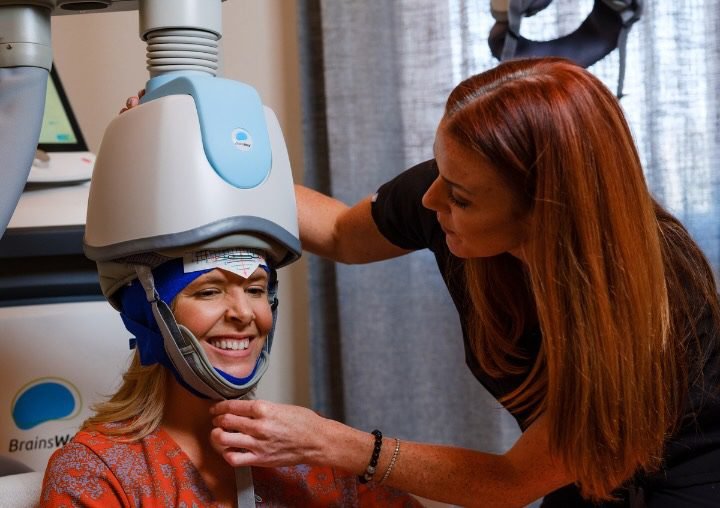
TMS (transcranial magnetic stimulation) therapy is a noninvasive treatment that uses magnetic pulses to stimulate targeted areas of the brain. While research into its use for anxiety disorders is still developing, it may help some individuals manage symptoms. Here is an overview of the potential benefits of TMS therapy for anxiety disorders:
Understanding TMS for Anxiety
TMS therapy targets brain regions linked to mood and emotional regulation, using magnetic pulses delivered through a device placed near the scalp. These pulses may influence nerve cell activity, and providers often direct them toward areas that appear less active in people living with anxiety. The goal centers on supporting the brain’s own signaling rather than adding a substance to the body, which sets it apart from medication-based approaches. Providers usually recommend TMS therapy after other treatments have not produced the results a person wants. It works alongside a broader care plan, so it does not replace the guidance of a mental health professional.
Exploring Potential Benefits
Adults often look to TMS therapy when they want an option that avoids common medication side effects, though results vary from person to person. The treatment remains non-invasive, requires no anesthesia, and allows people to return to daily tasks soon after each session. Here are some of the reasons people contemplate this option:
- Non-drug approach: It does not rely on oral medication, so people who react poorly to prescriptions may find it worth discussing.
- Minimal downtime: Sessions are brief, and most people drive themselves home and resume their routines the same day.
- Targeted method: The device focuses on specific brain regions, which allows a tailored plan built around your situation.
- Works with other care: It can fit alongside therapy or other treatments your provider already recommends.
This approach offers a versatile and patient-centered option for individuals seeking alternatives to optimize their treatment outcomes.
Knowing Treatment Expectations
A typical course of TMS therapy spans several weeks, with sessions scheduled on most weekdays. Each visit lasts an average of thirty minutes, and you stay awake and alert the entire time. The provider positions the device, adjusts the settings, and monitors your comfort throughout the procedure. During a session, you sit in a chair while the device delivers short bursts of pulses. You may hear a tapping sound and feel a light sensation on your scalp, both of which fade once the session ends. People often read, listen to music, or rest while the treatment runs its course. Attending each scheduled visit helps your care team gather a clear picture of your progress.
Reviewing Safety and Limits
TMS therapy has a defined safety profile, yet it is not the right fit for everyone. A thorough screening helps your provider determine whether the method aligns with your medical history. Keep the following concerns in mind before beginning treatment:
- Medical history review: Certain metal implants or devices near the head may affect eligibility, so share these details early.
- Realistic expectations: Responses vary, and no single result applies to everyone who tries the treatment.
- Ongoing communication: Report any discomfort or changes, so your team can adjust the plan as needed.
- Coordination with other care: Keep your provider informed about medications and therapies you already use.
These points support safer and more informed decisions.
Schedule Your TMS Therapy Appointment
TMS gives adults a non-drug, targeted option to explore when standard anxiety treatments have not delivered the relief they seek. Understanding the process, benefits, and concerns of this treatment can help you work collaboratively with your provider. Open communication and coordination with your broader care team are fundamental to promoting the safest and most effective outcomes. Contact a qualified psychiatrist near you to schedule your TMS therapy appointment today.
- Understanding the Role of Pediatric Orthopedic Specialists in Children’s Health
- Navigating the Process of STD Testing
- When Should You See an Orthopedic Specialist for Hand Pain?
- Understanding the Different Types of Chemical Peels and Their Uses
- The Science of Skin Elasticity: Unlocking Youthful Texture with Bioactive Peptide Complexes