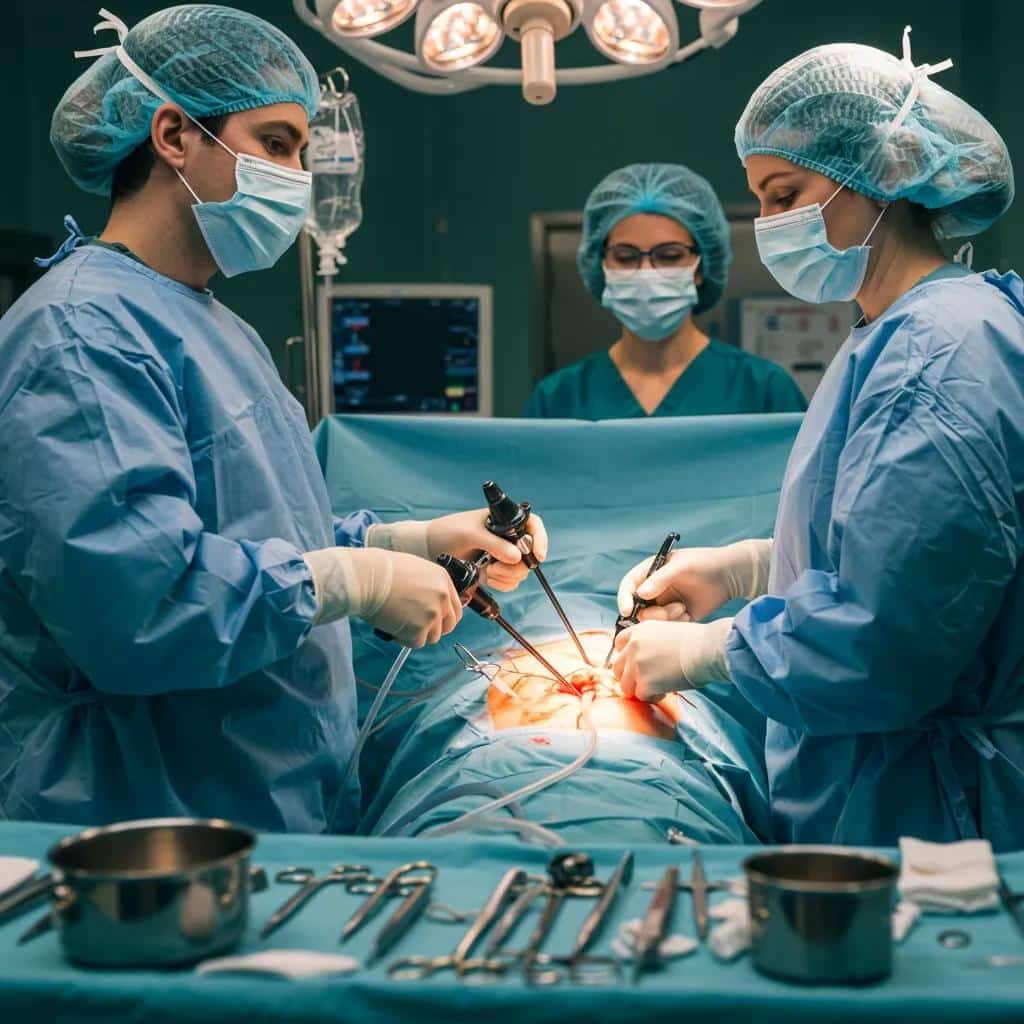
Advances in surgical technology have resulted in procedures that are more precise and less disruptive to the body. Robotic surgery, also called robotic-assisted surgery, has many benefits in various types of procedures across different specialties. Robotic-assisted surgery helps surgeons perform surgery more precisely, and it enables them to reduce trauma to surrounding healthy areas. Here is more information about robotic surgery and its benefits:
Understanding Robotic Surgery
Robotic surgery is a form of minimally invasive surgery in which a surgeon controls robotic instruments to perform precise movements inside the patient’s body. The surgeon remains in full control throughout the procedure, directing every action from a console. Robotic tools translate the surgeon’s hand movements into steadier, more refined motions at the surgical site. The robotic system does not act independently; it responds exclusively to the surgeon’s input. The console provides enhanced dexterity and provides a magnified, high-definition view of the operative field.
Enhancing Precision
Robotic-assisted surgery qualifies as a minimally invasive technique because it requires only small incisions; smaller incisions mean less disruption to the body. Traditional open surgery often requires a large incision to give the surgeon adequate access and visibility. Robotic systems provide that same access, but they provide it through significantly smaller entry points, using a camera and slender instruments.
Precision improves significantly with robotic assistance. The robotic instruments filter out natural hand tremors, and the magnified visualization allows surgeons to operate in areas that would be difficult to reach otherwise. These factors work together to make the procedure more accurate, and the robotic arms allow surgeons a greater range of motion than human hands.
Exploring Patient Benefits
Minimizing trauma to surrounding tissue is one of the primary advantages of robotic-assisted surgery, and patients tend to experience less pain as a result. Because the incisions are small, nearby muscles and tissues are largely undisturbed. This preservation of healthy tissue supports a smoother recovery.
Beyond tissue preservation, patients who undergo robotic-assisted procedures typically benefit from:
- Reduced blood loss during surgery
- Lower risk of infection at the incision site
- Shorter hospital stays
- Faster return to normal daily activities
- Reduced scarring compared to open surgery
Recovery time varies by patient and procedure, but the minimally invasive nature of robotic-assisted surgery generally shortens the overall healing process.
Reviewing Common Robotic Surgery Procedures
Robotic-assisted surgery is now performed across a wide range of procedures. The following procedures may be performed using robotic assistance:
- Hernia repair: involves correcting a weakness or opening in the abdominal wall.
- Colon surgery: including the removal of diseased portions of the large intestine.
- Gallbladder surgery: removes the gallbladder when it becomes diseased or obstructed.
- Small intestine surgery: addresses conditions such as blockages, tumors, or inflammatory disease affecting the small bowel.
Surgical teams select robotic techniques when the complexity of a procedure calls for enhanced visualization and control.
Learn More About Robotic Surgery
Robotic-assisted surgery supports minimally invasive approaches by giving surgeons greater precision, reducing trauma to surrounding tissue, and enabling procedures through small incisions. Patients benefit from less pain and faster recovery times; reduced scarring can also be a benefit of the smaller incisions of robotic surgery. If you want to learn more about the benefits of robotic surgery, consult a qualified surgeon near you.