Leg pain is a common symptom treated by vascular surgeons, and its causes range from poor circulation to nerve compression. When it is left unmanaged, it can interfere with daily routines, limit physical independence, and slow post-surgical recovery. Targeted lifestyle adjustments can reduce discomfort and support long-term vascular health. Here is more information on how lifestyle changes influence this type of pain:
What Is Leg Pain?
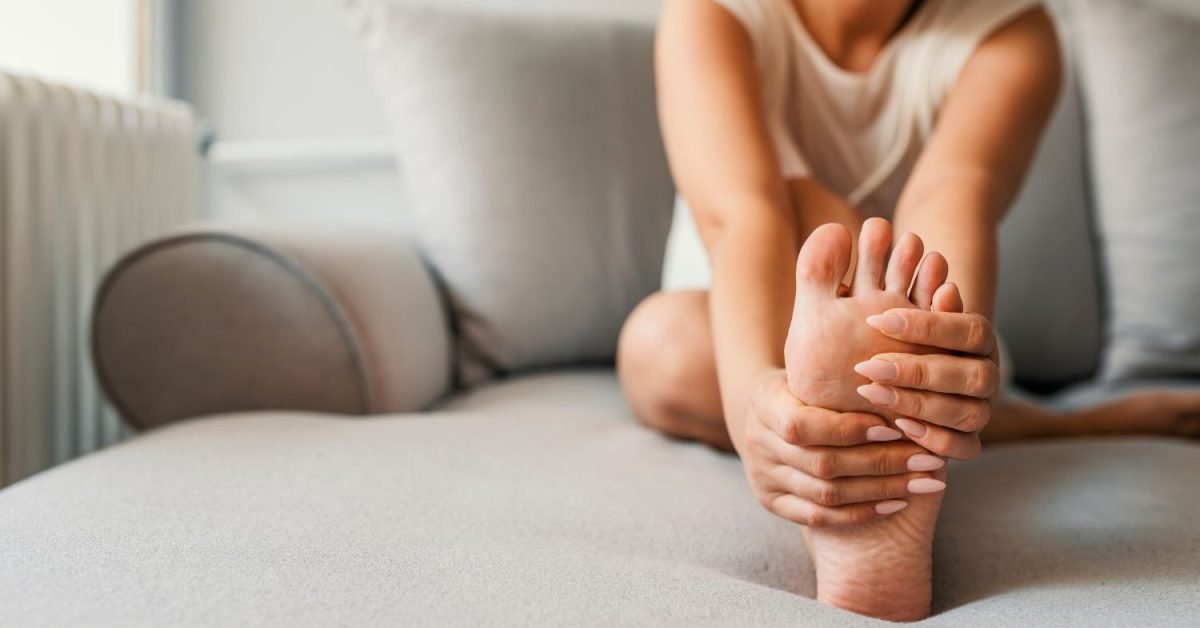
Leg pain is defined as any localized discomfort, aching, or tenderness occurring between the hip and the foot. This discomfort presents as a dull, constant throb, or it manifests as a sharp, sudden cramp, depending on the patient’s specific pathology. For vascular surgery patients, leg pain may signal disrupted arterial or venous blood flow because the circulatory system is undergoing post-operative changes.
Clinical presentations vary among individuals. Some patients experience intermittent claudication, which involves temporary muscle cramping triggered by physical exertion. Other individuals experience persistent pain even while resting, and this symptom may worsen during the night.
What Causes It?
Several conditions contribute to this type of pain. Peripheral artery disease (PAD), deep vein thrombosis (DVT), chronic venous insufficiency, and post-surgical inflammation are common causes, and each condition involves either restricted blood flow to the legs or impaired drainage of blood back to the heart. These disruptions affect circulation at a fundamental level, so the resulting pain can vary widely in intensity and presentation depending on which vessels are involved.
Lifestyle factors also play a role in vascular deterioration; smoking, sedentary behavior, obesity, and poorly controlled diabetes all place additional strain on already compromised vessels. They contribute to the onset of leg pain and also accelerate its progression. Early intervention is beneficial, as addressing these modifiable risk factors can slow vascular decline and reduce symptom severity before symptoms become more difficult to manage.
How Are Daily Activities Affected?
Leg pain can restrict mobility in ways that compound over time. Walking short distances, climbing stairs, or standing for prolonged periods becomes difficult, which pushes patients to be inactive. That inactivity worsens circulation, and it may increase the risk of secondary complications such as blood clots or pressure injuries. Addressing chronic pain directly influences the pace and quality of rehabilitation.
How Can Lifestyle Changes Help?
Lifestyle modifications help reduce the frequency and intensity of chronic pain. These interventions work alongside medical treatments rather than replacing them, and their therapeutic effects accumulate with consistency over time. Since these modifications improve overall vascular function, they may effectively reduce systemic inflammation.
Physical activity is an evidence-based intervention for vascular-related pain. Although patients may experience initial discomfort, supervised walking programs improve claudication distances by promoting collateral blood vessel development. Low-impact activities maintain circulation without placing excessive strain on recovering tissues, and they preserve joint mobility during recovery. Additional lifestyle adjustments include:
- Smoking cessation: Smoking accelerates plaque buildup in arteries, which worsens leg pain related to PAD.
- Weight management: Excess body weight increases the mechanical and vascular load on the legs, exacerbating both arterial and venous conditions.
- Leg elevation: Raising the legs above heart level several times a day may improve venous drainage and reduce swelling-related discomfort.
Change Your Lifestyle Today
Leg pain is manageable with the right combination of medical care and deliberate lifestyle change. Regular physical activity, smoking cessation, and proper limb care all contribute to better circulation, less discomfort, and a stronger recovery. These changes are gradual, but the cumulative benefit on vascular health is valuable. If you experience persistent pain, speak with your vascular care team about which lifestyle modifications are appropriate for you.