Pelvic pain is a complex condition that affects quality of life. Urogynecology focuses on diagnosing and treating conditions affecting the female pelvic floor, bladder, and reproductive organs. Since pelvic pain can arise from gynecological, urological, and musculoskeletal sources, it is effectively treated within this specialized field. The discomfort varies widely; it ranges from a dull, persistent ache to sharp, debilitating pain that interferes with daily functioning. Understanding the nature of this pain and its underlying causes helps patients find relief.
What Is Pelvic Pain?
Pelvic pain refers to discomfort occurring in the lower abdomen, pelvis, or perineal region. It can be acute, lasting less than three months, or chronic, which persists beyond that period. The condition manifests as pressure, cramping, or stabbing sensations. Symptoms may worsen during physical activity, intercourse, or urination, and they interfere with daily functioning.
What Causes It?
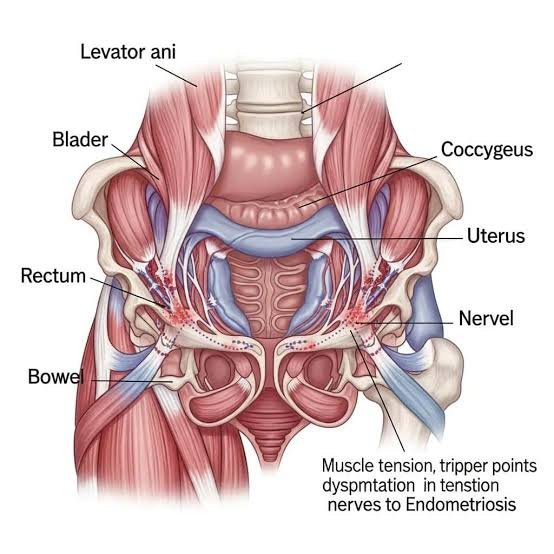
As pelvic pain may be caused by conditions affecting multiple body systems, identifying the underlying cause helps select the most appropriate treatment. Gynecological conditions are common culprits. Endometriosis, uterine fibroids, and ovarian cysts frequently contribute to pelvic discomfort; musculoskeletal dysfunction, pelvic floor disorders, urinary tract infections, and irritable bowel syndrome can produce similar symptoms.
In some cases, this type of pain stems from more than one source simultaneously, which complicates the diagnostic process. A patient may present with both a structural abnormality and pelvic floor muscle dysfunction. Because multiple conditions can overlap, accurate diagnosis typically requires a thorough clinical evaluation, and imaging studies may also be necessary to identify all contributing factors.
How Is Pelvic Pain Alleviated?
Treatment approaches vary depending on the underlying cause and the severity of symptoms. Conservative options are typically explored first, and they may include:
- Physical therapy: Pelvic floor physical therapy targets muscle tension, weakness, and coordination issues that contribute to pain.
- Medications: Anti-inflammatory drugs may be prescribed to manage symptoms.
- Lifestyle modifications: Dietary changes and bladder training programs help reduce symptom frequency.
For patients whose pain stems from structural causes, interventional procedures are sometimes recommended. The most appropriate approach depends on the diagnosis and the patient’s response to prior treatments.
How Can a Professional Help?
A urogynecologist brings the clinical expertise needed to diagnose complex pelvic conditions accurately; this precision facilitates effective treatment outcomes. They conduct detailed evaluations that take into account the full spectrum of possible causes. This comprehensive approach may reduce the likelihood of missed diagnoses and ineffective treatment plans, which helps patients receive care tailored to their specific condition.
Working with a specialist also means access to a coordinated care team. Pelvic pain patients benefit from a multidisciplinary approach, and this approach may combine medical management with physical therapy. Since this type of pain is sometimes caused by multiple factors, a specialist can coordinate these services and adjust the treatment plan based on ongoing progress. The ultimate goal is not only reducing pain but restoring quality of life.
Consult a Urogynecologist Today
Pelvic pain is a complex condition with multiple potential causes, but effective treatment is available. From physical therapy and medication to minimally invasive procedures, a range of approaches can provide relief. A qualified urogynecologist will identify the cause of your pain and develop a treatment plan tailored to your needs. If you experience this type of pain, schedule a consultation today.