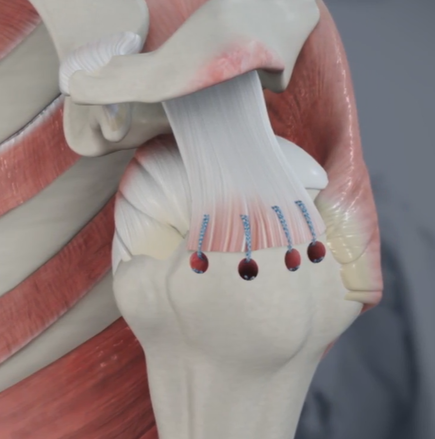
The rotator cuff is a group of four muscles and their tendons that surround the shoulder joint, allowing you to lift and rotate your arm. A rotator cuff tear happens when one or more of these tendons become partially or completely separated from the bone. Tears can develop suddenly from an injury, such as a fall, or gradually over time due to repetitive motion, aging, or wear. Here’s information on rotator cuff tears and how they are diagnosed and managed:
Diagnosing a Tear
A diagnosis of a rotator cuff tear begins with a physical examination. During this exam, an orthopedic specialist assesses your range of motion, strength, and areas of tenderness. You may be asked to move your arm in specific directions so the clinician can identify which movements produce pain or weakness. They will ask about your symptoms, so mention any experiences like shoulder:
- Weakness
- Pain
- Mobility Changes
Imaging tests are used to confirm the findings from a physical exam. X-rays do not show soft tissue, but they rule out bone spurs or arthritis that may contribute to shoulder symptoms. Magnetic resonance imaging (MRI) and ultrasound provide detailed views of the tendons and muscles, helping determine the size and location of a tear. A clinician reviews all of these results together before recommending a treatment plan.
Managing a Tear Short-term
Short-term care often focuses on conservative treatments that reduce pain and limit further irritation, and many people begin with rest. Resting the rotator cuff gives the shoulder time to recover. Avoiding strenuous activity, especially overhead motion, can help minimize additional strain on the affected tendons.
Activity modification involves adjusting daily habits to protect the shoulder. This might mean changing how you lift objects, sleep, or perform work tasks that involve repetitive arm movement. Physical therapy typically plays a central role in the short-term recovery from shoulder tears. A therapist guides an individual through gentle movements that maintain mobility and support the surrounding muscles without aggravating the tear. When someone needs more pain management to stay consistent with physical therapy plans, medications may be recommended. Nonsteroidal anti-inflammatory drugs (NSAIDs) are commonly used to address discomfort and swelling.
Managing a Tear Long-term
When symptoms persist or a tear requires ongoing attention, several long-term management options may be discussed. Besides participating in physical therapy sessions, daily movement is invaluable for joint health. Strengthening and stretching exercises build support around the shoulder joint. A structured program often targets the rotator cuff muscles and the muscles that stabilize the shoulder blade, which may improve function over time.
Corticosteroid injections deliver medication directly into the shoulder to address inflammation, especially for persistent pain. These injections are administered by a clinician and are temporarily used when other conservative measures have not provided sufficient relief. When a patient is interested in regenerative medicine treatments for chronic pain, they may ask about PRP therapy.
Platelet-rich plasma (PRP) injections use a concentrated portion of someone’s own blood. The sample is processed to isolate platelets, which are then injected into the affected area. This approach is one option that some patients and clinicians discuss as part of long-term planning. The right combination of pain management options depends on the size of the tear, your activity level, and your overall health. A clinician can help you weigh the benefits and limitations of each approach based on your individual situation.
Support Your Rotator Cuff Tear
Every shoulder injury is different, and treatment plans vary from person to person based on the severity of the tear and your daily demands. Working closely with a qualified healthcare provider allows you to explore the options that best fit your needs. If you notice ongoing shoulder pain, weakness, or limited movement, contact an orthopedic surgeon for personalized advice. With the right guidance and a personalized plan, you can take informed steps toward restoring comfort and function in your shoulder.