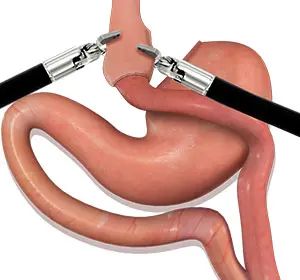
Bariatric surgery refers to a group of medical procedures designed to support weight management for individuals living with obesity. These surgeries change the digestive system in ways that affect how much food a person can eat, as well as how the body absorbs nutrients in some cases. Among the most widely performed options are gastric sleeve surgery and gastric bypass. Both approaches share a common goal, but they differ in technique.
What Is Gastric Sleeve Surgery?
Gastric sleeve surgery involves removing a large portion of the stomach. The surgeon takes out roughly 75 to 80 percent of the stomach, and they reshape the remaining section into a narrow sleeve. Because the stomach becomes much smaller, it holds less food at one time.
The procedure also reduces the production of certain hormones associated with hunger, and this may influence appetite. Surgeons can perform this operation using laparoscopic techniques, meaning several small incisions rather than one large opening. This minimally invasive method often supports a shorter recovery period.
Unlike some other bariatric options, gastric sleeve surgery does not reroute the intestines. The digestive path stays the same, so food travels through the stomach and intestines in the usual order. This makes the procedure less complex from a structural standpoint while still altering the stomach’s capacity.
What Is a Gastric Bypass?
Gastric bypass is a two-part procedure. The surgeon first creates a small pouch at the top of the stomach, separating it from the rest of the organ. This pouch becomes the new, smaller stomach that receives food. The surgeon reroutes a portion of the small intestine, and they connect it directly to the new pouch. Food bypasses a large section of the stomach and the upper part of the small intestine as a result. This rerouting changes both how much a person can eat and how the body absorbs calories and nutrients.
Like the sleeve procedure, gastric bypass may be performed laparoscopically. The added step of rerouting the intestines makes it a more involved operation. Because of the changes to nutrient absorption, individuals who undergo this surgery generally follow a long-term plan for vitamin and mineral supplementation; this is typically guided by their care team.
How Do They Compare?
Both procedures aim to reduce stomach capacity and support weight management, but several differences set them apart. The choice between these two options depends on many factors, including overall health, medical history, and the recommendations of a surgical team. Key points of comparison include:
- Complexity: The sleeve is generally a single-step operation, while the bypass involves two main steps. This can affect the length of surgery and the recovery process.
- Nutrient Absorption: Because gastric bypass reroutes part of the small intestine, it changes how the body absorbs nutrients. The sleeve leaves the absorption process largely intact, since food follows its normal route.
- Reversibility: Gastric sleeve surgery is not reversible, as a portion of the stomach is permanently removed. Gastric bypass does not remove stomach tissue in the same way, though it should still be viewed as a lasting change.
Both procedures call for lasting adjustments to diet and lifestyle. Individuals who have a bypass may need closer monitoring of nutrient levels due to the changes in absorption.
Seek Professional Bariatric Surgery
Choosing a path toward weight management is a decision that benefits from professional guidance. A bariatric surgeon will evaluate your health background, and they can outline the procedure and follow-up care for your surgery. Preparation for either surgery usually includes dietary adjustments before the operation, as well as a structured eating plan afterward. Speaking with a surgical provider can help you understand which option aligns with your needs.