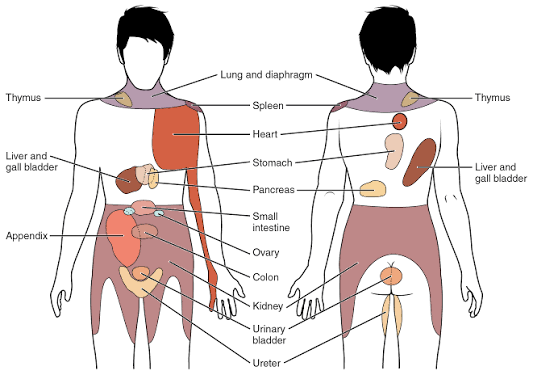
Chest pain has many causes. Some come from your heart, and others do not. You may feel pressure, tightness, or a sharp sensation, and knowing the source helps you act. Since there are common cardiac and non-cardiac sources, you can better understand what your body signals.
Heart Causes of Pain
When pain strikes at rest or feels severe, it can signal a heart attack, so seek care fast. Narrowing can cause chest tightness, pressure, or a dull ache that spreads to your arm or jaw. Your heart can trigger chest pain in several ways. Angina refers to pain from blocked blood flow, and it often signals coronary artery disease. Most people feel angina during exercise; the pain then eases with rest.
Congestive heart failure is another cardiac source, and it often brings chest discomfort alongside shortness of breath and fatigue. A heart murmur may also contribute to unusual sensations in the chest, and your doctor can detect it during a routine exam. Understanding these sources helps you describe your symptoms clearly, since they can be similar. Detail helps your care team find the right diagnosis.
Symptoms and Diagnostic Tests
Chest pain rarely appears alone. You may notice palpitations, shortness of breath, or an irregular heartbeat called an arrhythmia. Since these symptoms often appear together, tracking all of them helps your doctor build a clearer picture. Doctors use several tools to evaluate cardiac pain, and your doctor will recommend the ones most relevant to your symptoms. Each test serves a specific purpose, and getting the right ones early leads to faster answers and more effective care.
- EKG: Records your heart’s electrical activity and detects rhythm irregularities quickly
- Stress Test: Measures heart performance under exertion and reveals problems that rest conceals
- Heart Catheter: Locates blockages precisely when imaging alone is not enough
- Stents: Reopen narrowed arteries and restore normal blood flow after a blockage is found
- Pacemaker: Regulates heart rhythm for patients with persistent arrhythmia
- Anticoagulation Management: Reduces clotting risk in patients with atrial fibrillation
Pain From Other Sources
Acid reflux, muscle strain, and anxiety can each produce discomfort that feels similar to cardiac pain. Not all chest pain starts in your heart. A pulled muscle may ache when you move, and it often eases with rest. Lung problems, rib injuries, and digestive issues also cause pain, so the location and timing matter. This feeling is easy to confuse with cardiac pain, and many people do. These sources are usually less urgent than cardiac causes, but you should not dismiss them without evaluation. Tracking when your pain occurs, what triggers it, and how long it lasts gives your doctor the detail needed to identify the source accurately.
Discuss Chest Pain Today
Chest pain deserves a clear answer. You cannot always tell a cardiac cause from a non-cardiac one on your own, so professional evaluation matters. Track when your pain happens, note how long it lasts, and share these details with your doctor. If pain feels severe or comes with shortness of breath, call emergency services right away.