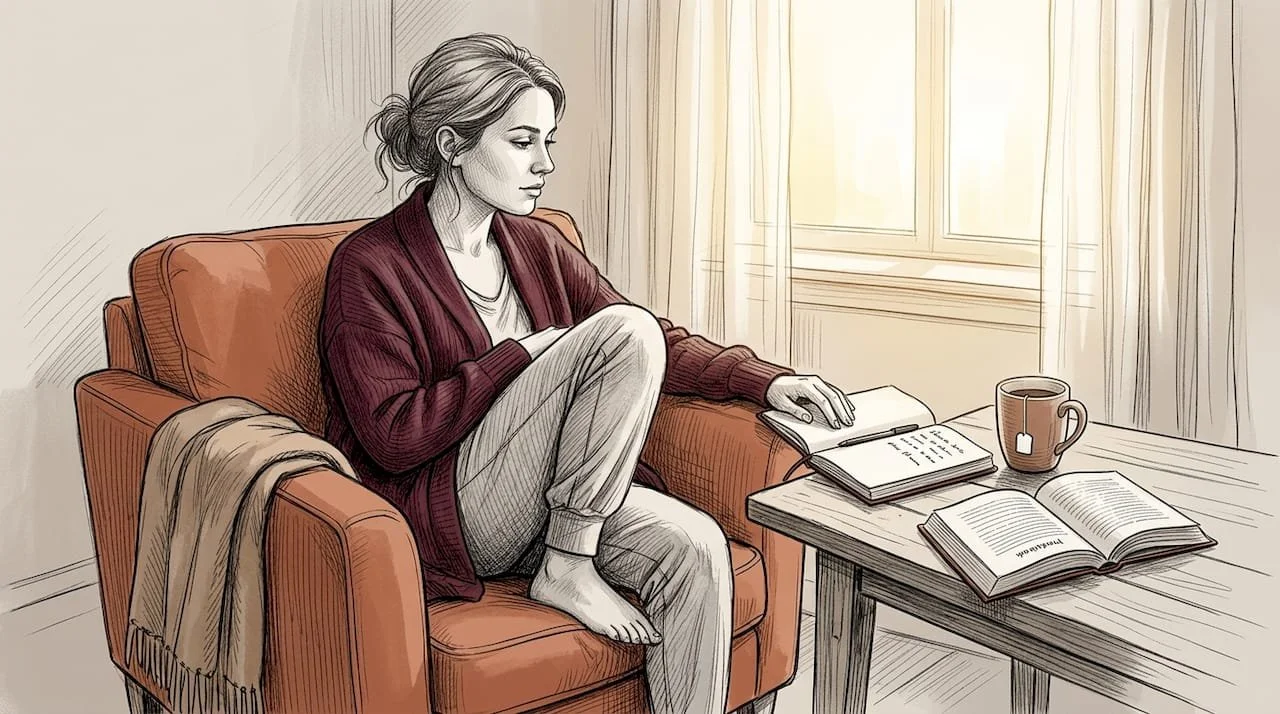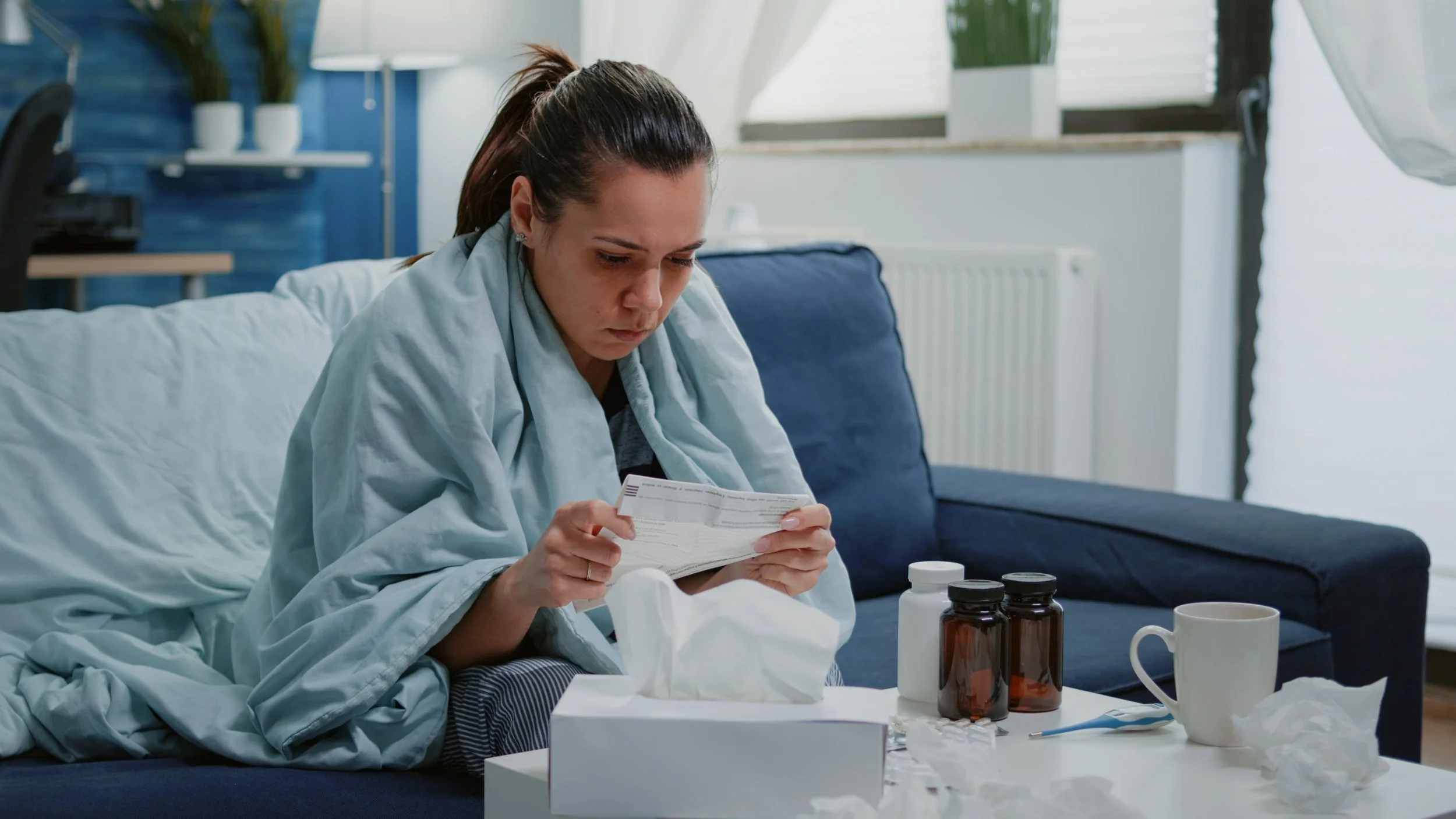
Chronic conditions often cause persistent pain that affects mobility, sleep, emotional well-being, and daily activities. Effective pain management combines several approaches and targeted medical procedures based on the individual’s needs. Here is a closer look at common approaches to pain management in chronic conditions:
Using Medical Treatments
Medical treatments are the foundation of most pain management plans, and they range from oral medications to targeted procedures. A physician reviews your history, evaluates your symptoms, and then selects options that align with your specific condition. Here are several medical options your provider may recommend:
- Prescription medications: These target inflammation, nerve signaling, or muscle tension, and a physician closely monitors dosages.
- Injection-based procedures: Providers deliver medication near specific nerves or joints, which helps reduce localized discomfort.
- Nerve-focused techniques: Some procedures interrupt pain signals along targeted pathways, and specialists perform them under controlled conditions.
A thorough discussion with a pain specialist helps you evaluate your options and clarify how these treatments fit within your larger plan.
Restoring Physical Function
Physical function often declines when pain limits movement, and restoring that function is a key goal of pain management. Structured programs guide the body toward better mobility, and they usually begin with a careful assessment. A specialist measures your range of motion, notes your limitations, and then designs activities that match your current ability.
Physical therapy commonly anchors this stage, though other methods may support it. Therapists teach controlled exercises that strengthen supporting muscles, and they adjust the intensity as you progress. This gradual approach reduces strain, and it helps you rebuild confidence in everyday movement. Some programs also add manual techniques, guided stretching, or assistive devices. These tools address stiffness, and they can improve how you perform routine tasks.
Incorporating Lifestyle Strategies
Daily habits influence how chronic pain behaves, and lifestyle strategies give you practical ways to manage it. Small and consistent adjustments complement the medical and physical parts of your plan. Here are certain habits that can support long-term pain management:
- Balanced activity: Alternating movement with rest prevents overexertion, and it keeps your body engaged without added strain.
- Sleep routines: Consistent sleep schedules help your body recover, and poor sleep can worsen how pain feels.
- Nutritional choices: A steady, balanced diet supports overall health and may reduce inflammation.
- Posture awareness: Correct posture reduces pressure on the neck and back, and simple adjustments can lower daily discomfort.
These habits reinforce your treatment, and they may reduce how often flare-ups disrupt your routine.
Supporting Emotional Well-Being
Living with persistent pain affects mood, focus, and motivation, so emotional support holds a fundamental place in any plan. Stress can heighten physical discomfort, and ongoing pain makes daily tasks difficult. Addressing these factors gives you a more complete approach to pain management.
Several methods support emotional well-being alongside physical care. Counseling helps you process the challenges of chronic pain, and it offers coping tools you can use in tough moments. Relaxation techniques, such as guided breathing, calm the body, and they may lower the tension that pain often produces. Support networks also play a helpful role. Sharing experiences with others reduces isolation, and it can reveal practical strategies you had not contemplated.
Book Your Pain Management Appointment
Managing pain effectively requires a comprehensive approach that includes medical treatments, physical therapies, and lifestyle modifications. Techniques like relaxation exercises and support networks help alleviate both physical discomfort and emotional strain caused by chronic pain. Contact a qualified pain specialist near you to book your pain management appointment today.