
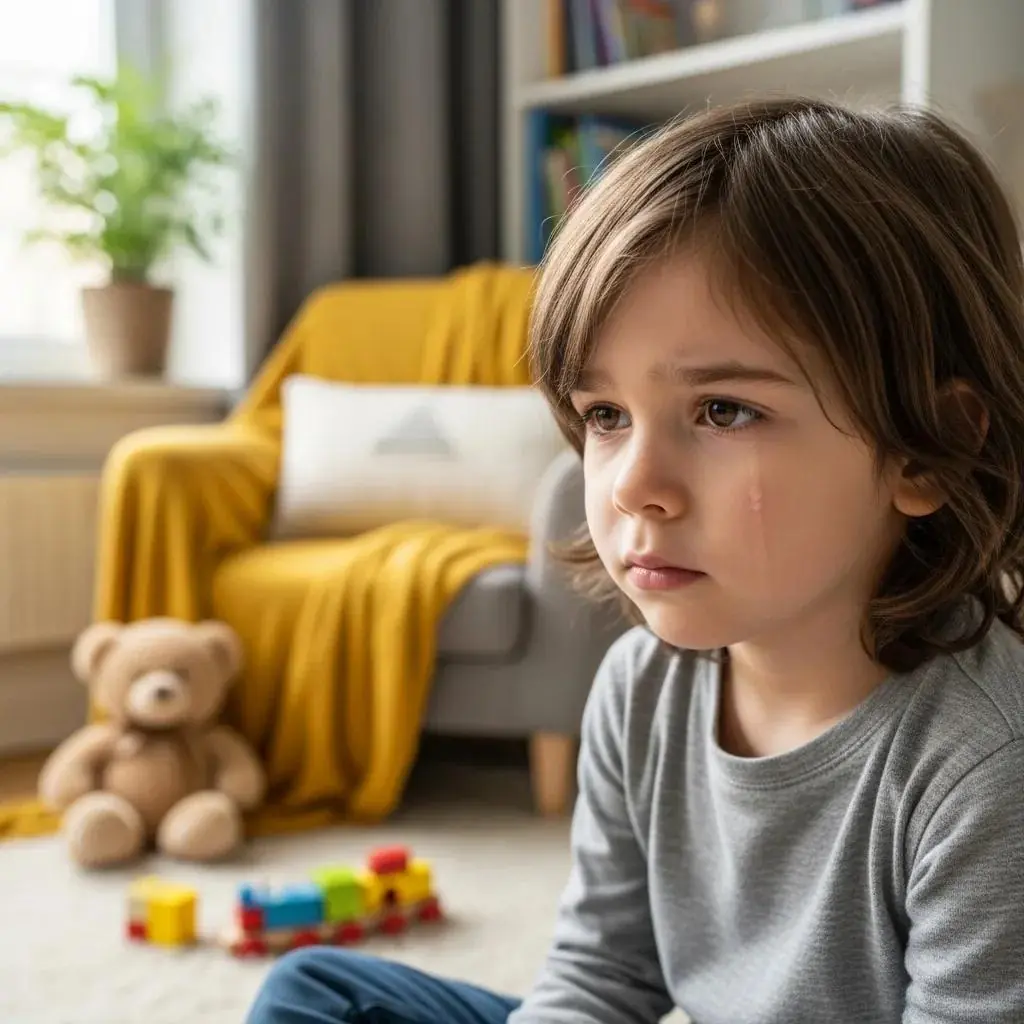
Anxiety in children may appear through emotional, behavioral, or physical changes. Recognizing these signs early can help parents provide appropriate support and seek professional guidance when necessary. Here are common signs of anxiety in children that parents should be aware of:
Recognizing Emotional Changes
Emotional changes are often the first sign that anxiety is present; they tend to surface at predictable moments. A child may become tearful before school, or they become irritable when a routine changes without warning. When worry builds, small setbacks feel large, and a minor problem can trigger a strong reaction that seems disproportionate. Watch for a pattern rather than a single moment, and note how often these feelings return. A child who repeats worried questions, seeks constant reassurance, or expects the worst outcome may be signaling anxiety that runs beneath the surface.
Identifying Physical Symptoms
Anxiety often appears in the body long before a child describes it in words. Repeated physical symptoms deserve a closer look when medical causes have been ruled out. Here are several physical signs that tend to accompany anxiety in children:
- Stomach aches: A child may report nausea or cramps before school, and the discomfort often fades once the stressful moment passes.
- Sleep changes: Trouble falling asleep, frequent waking, or nightmares often point to worry that stays active at night.
- Muscle tension: Clenched jaws, tight shoulders, or restlessness can reflect a body that stays on alert.
- Fatigue: Constant worry drains energy, and a child may seem tired even after a full night’s rest.
These symptoms often overlap with emotional or behavioral signs. When you observe several together, a professional evaluation becomes a helpful next step.
Observing Behavioral Patterns
Behavior offers clues, and children frequently act out their anxiety rather than explain it. A child may avoid activities they once enjoyed, or they cling to a parent in situations that used to feel routine. Avoidance is a central behavior to monitor, and it tends to grow when a child fears a specific place, person, or task.
Repetitive actions can also signal anxiety; they serve as attempts to feel safe. A child may check the same thing multiple times, follow rigid routines, or resist any deviation from a familiar plan. When these behaviors interfere with daily life, they indicate worry that needs attention, and tracking their frequency helps you measure their severity.
Monitoring School and Social Life
School and friendships reveal how anxiety affects a child’s social world, and changes here often confirm what other signs suggest. A drop in grades, frequent requests to stay home, or reluctance to speak in class can all reflect worry. When a capable student begins to struggle, anxiety may be playing a role. Here are specific patterns that tend to stand out:
- Fewer friendships: A child can pull away from peers, and invitations to play or gather go unanswered.
- Avoiding activities: Skipping clubs, sports, or events that once brought joy can signal rising worry.
- Reluctance to attend school: Repeated complaints or refusal to go may reflect fear rather than defiance.
Talking with teachers gives you added perspective, and their observations often confirm patterns you see at home.
Book Your Anxiety Appointment Today
Recognizing and addressing anxiety in children is fundamental to supporting their emotional well-being and development. Behavioral changes such as avoiding social interactions or displaying reluctance to attend school are key indicators of underlying anxiety. Open communication with teachers and caregivers helps to identify patterns and provide the necessary context for intervention. Contact a qualified mental health provider near you to book your anxiety appointment today.
- Understanding the Role of Pediatric Orthopedic Specialists in Children’s Health
- Navigating the Process of STD Testing
- When Should You See an Orthopedic Specialist for Hand Pain?
- Understanding the Different Types of Chemical Peels and Their Uses
- The Science of Skin Elasticity: Unlocking Youthful Texture with Bioactive Peptide Complexes