A sports medicine practice focuses on treating and rehabilitating injuries related to physical activity. These practices serve athletes of all levels, from weekend runners to professional competitors, as well as active individuals who want to return to daily movement. Rehabilitation techniques continue to advance, and these developments give patients more options for regaining strength, mobility, and function. Here’s information on rehabilitation techniques in sports medicine:
Physical Therapy
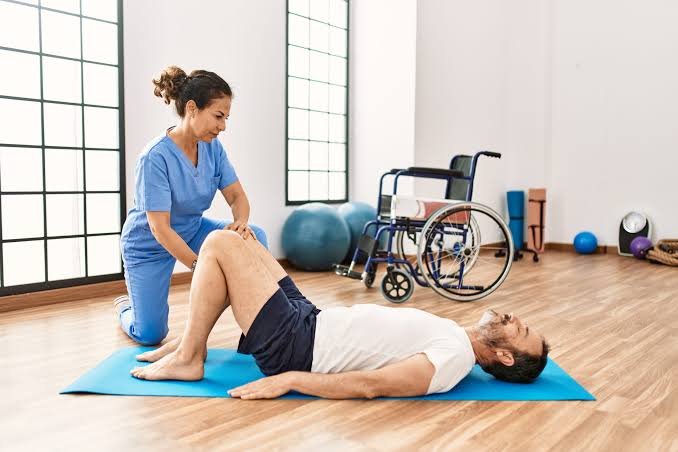
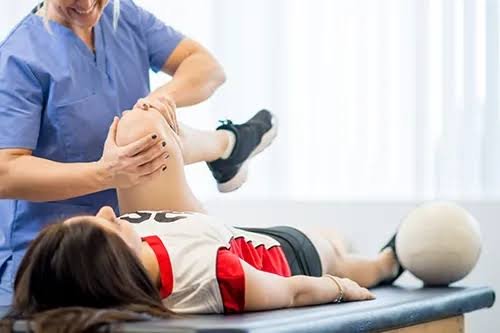
Physical therapy is a large part of sports medicine rehabilitation programs. Physiotherapy plans are customized to the individual to support their specific condition and mobility needs. A therapist evaluates factors such as the type of injury, range of motion, and activity goals before designing a program.
Physical therapy helps strengthen your muscles and joints to accelerate healing, and it can also break up scar tissue that forms during recovery. Guided exercises and manual techniques aim to ease pain and restore movement over time. Consistent therapy sessions also work to lower the risk of reinjury by improving stability and correcting movement patterns.
Modern physical therapy often incorporates tools such as motion analysis, resistance equipment, and targeted stretching protocols. These methods allow therapists to track progress and adjust the plan as the patient improves. The goal is gradual, measured recovery that supports a return to activity. For an effective sports injury plan, physicians, physical therapists, and surgeons often work together to address musculoskeletal conditions and support recovery.
Joint Injections
Joint injection treatments deliver medication directly to an affected area, and this targeted approach promotes effective pain reduction. This is why joint injections are another rehabilitation option used within sports medicine. By reducing discomfort, injections can help people participate more fully in physical therapy and other rehabilitation activities.
Several types of injections may be used depending on the condition. Corticosteroid injections address inflammation in joints, while other formulations focus on lubrication or cushioning within the joint space. A physician determines which option fits the patient’s situation based on evaluation and imaging. The number and frequency of injections vary according to the treatment plan. When combined with other rehabilitation methods, injections can support a more efficient recovery process, allowing many to participate in physical therapy more easily.
Surgery
When conservative treatments do not improve an injury, surgery may become part of the rehabilitation plan. Surgical procedures are used to restore body function and maximize athletic performance. Advances in surgical techniques have made many procedures less invasive, which can shorten recovery timelines for certain conditions. Minimally invasive approaches, such as arthroscopy, allow surgeons to repair joints through small incisions. These techniques often reduce tissue disruption and support a more efficient recovery.
Surgery is usually followed by a structured rehabilitation program. Physical therapy after a procedure helps rebuild strength and mobility in the treated area. The combination of surgical repair and guided rehabilitation supports a return to activity. Some common sports-related surgeries address:
- Ligament Tears
- Cartilage Damage
- Tendon Injuries
Get Sports Medicine Care
Rehabilitation in sports medicine continues to evolve, and patients now have access to a range of coordinated treatment options. Physical therapy, joint injections, and surgery each have a distinct purpose within a recovery plan, and a sports medicine team can help determine which approaches fit your needs. These techniques often work together to support healing and a return to activity. Choosing care depends on the type and severity of the injury, along with your activity goals and overall health. To learn about your care options, contact a sports medicine specialist to schedule a consultation today.