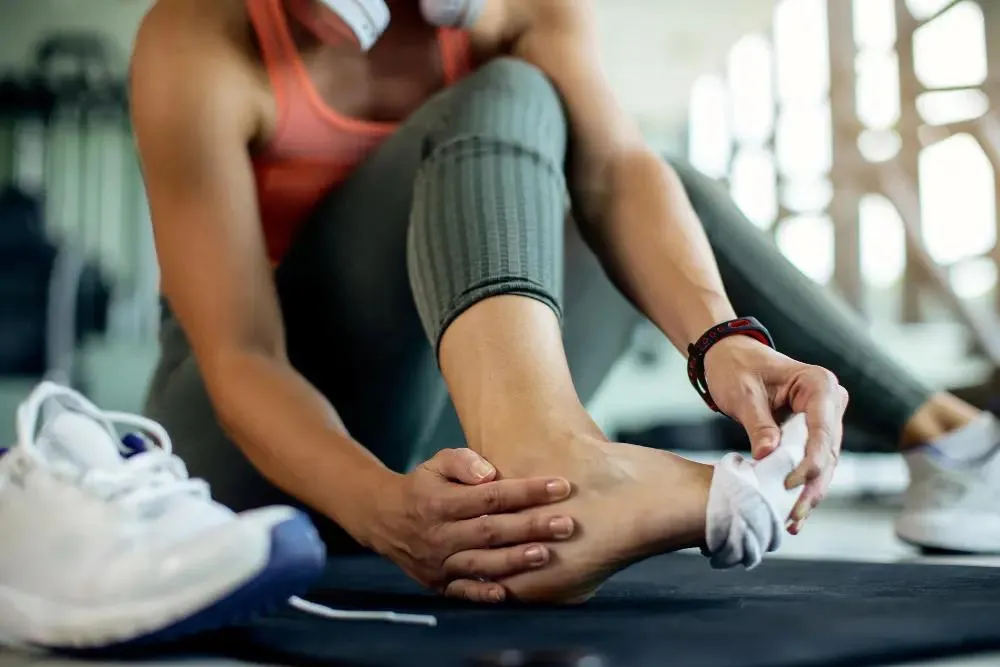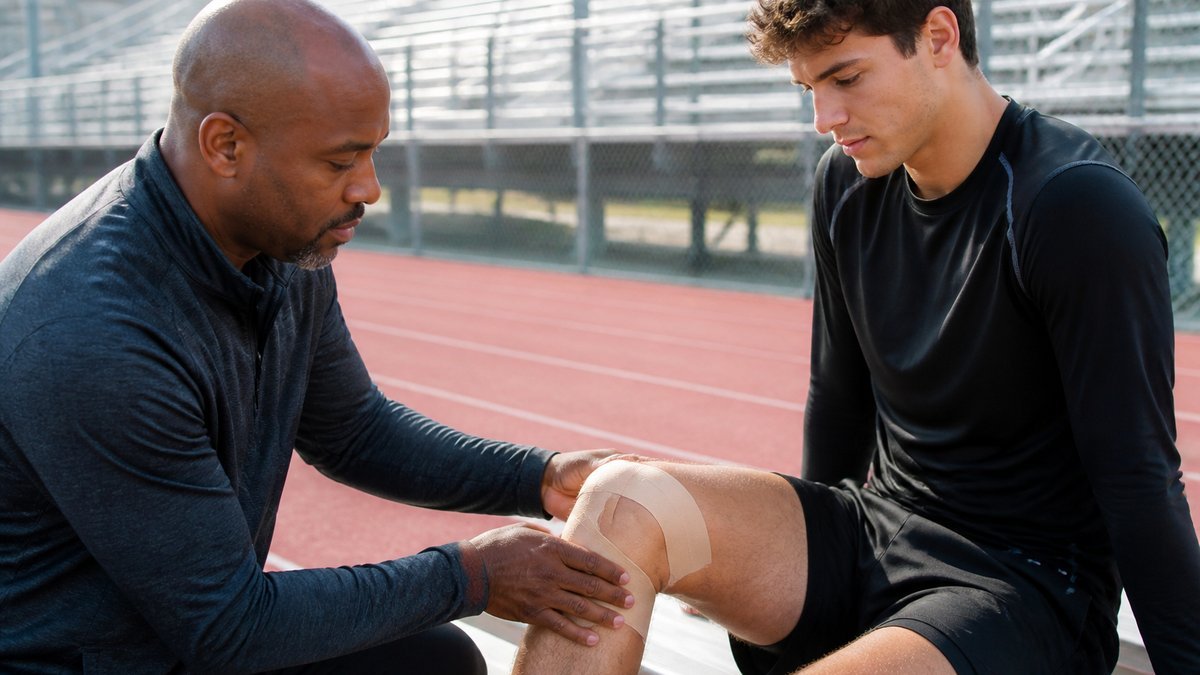
Sports medicine brings together orthopedic expertise, movement analysis, and training guidance to help athletes stay active safely. Rather than focusing only on treatment after an incident, many specialists focus on preventing injuries and managing existing conditions before they interfere with performance. Through careful evaluation, tailored exercise plans, and timely interventions, athletes gain structured support for joints and connective tissues that face repeated stress. Here’s information on the role of sports medicine in injury prevention for athletes:
How Orthopedic Surgeons Assess Mobility
Before recommending anything, orthopedic surgeons start by studying how an athlete moves in real time. These sports medicine specialists look at joint alignment during walking, squatting, jumping, and sport-specific actions, watching for patterns that put extra stress on the:
- Knees
- Hips
- Shoulders
- Spine
A small change in landing mechanics, like a knee collapsing inward, may signal weakness or stiffness elsewhere. This type of movement assessment helps identify areas that deserve focused attention before they progress into pain or structural injury.
In addition to watching movement, surgeons use hands-on tests and imaging to evaluate joint stability and range of motion. They compare flexibility from side to side, test specific ligaments, and note any discomfort during controlled motion. Sometimes they recommend X-rays or advanced imaging when they suspect structural changes that influence mobility. By combining visual analysis with physical examination, they build a detailed picture of how the athlete’s body handles load, repetition, and impact.
How They Support Athletic Needs
Support for athletes goes beyond the exam room; orthopedic specialists collaborate with physical therapists, trainers, and, when appropriate, other health professionals to align training goals with joint health. When athletes understand which movements aggravate a joint and which exercises build support, they are better equipped to adjust practice plans and protect healing structures. This allows them to return to sport with a strategy that respects their performance needs and long-term function. Orthopedic surgeons may explain how rest intervals, cross-training, and gradual workload progression affect the tissues under stress.
How Surgeons Prevent Injuries
When joints show early signs of strain or instability, surgeons recommend strength and flexibility routines that focus on surrounding muscles. Targeted physical exercise programs sit at the center of many prevention strategies. A knee with mild discomfort may benefit from hip and core strengthening, balance drills, and controlled plyometrics. Exercise programs typically progress in stages, with close attention to form, so that the athlete gains support without overloading sensitive tissues. This approach uses exercise to manage joint stress and refine movement patterns.
Some athletes live with symptoms that persist despite structured exercise and activity modification efforts. In these cases, orthopedic specialists may discuss platelet-rich plasma (PRP) injections to support joint healing, particularly in tendons or ligaments. When mechanical problems, such as significant tears or structural deformities, limit function, surgery becomes an option to provide timely mechanical support. A surgeon doesn’t always operate, but they match the appropriate intervention to the athlete’s condition and sport demands, while focusing on rehabilitation options to support recovery.
Benefit From Timely Sports Medicine Care
Early evaluation after a new ache, a change in performance, or a recurring strain allows prompt adjustments to training loads and movement patterns. Working with a sports-focused orthopedic team gives athletes structured guidance before minor issues escalate. Sports medicine also helps aging athletes adapt routines as joints experience more wear, so they can stay active longer. If you’re an athlete and want to maintain your joint health, contact a sports medicine specialist, like an orthopedic surgeon, for personalized advice.
- The Role of Sports Medicine in Injury Prevention for Athletes
- How a Pulmonologist Helps Manage Chronic Respiratory Conditions
- Understanding the Role of a Gastroenterologist in Digestive Health
- Hit by an Uninsured Driver in Albuquerque? Your Next Steps
- Benefits of Using Dental Implants to Replace Teeth