Neck pain after a sudden fall or impact often stems from whiplash. This pain develops when the head snaps forward and back quickly, straining the neck’s muscles, ligaments, and other soft tissues. Many people notice pain within a day of experiencing whiplash, while others get symptoms gradually. Gentle home care can support comfort, but lingering or severe pain warrants a professional evaluation. Here’s how to manage whiplash symptoms at home and when to contact a medical professional:
Try Hot and Cold Therapy
Cold therapy is used first when neck pain follows whiplash, helping to limit swelling, numb sore tissues, and reduce discomfort early on. Short applications of an ice pack wrapped in a cloth throughout the day work better than one long session, which can irritate the skin. Once the initial soreness starts to ease, warm compresses or a low-setting heating pad encourage blood flow, relax tight muscles, and reduce stiffness. Alternating cool and warm applications, with breaks in between, supports comfort while you rest or sit. Some individuals may also benefit from meeting with a chiropractor for an alignment assessment.
Try Over-the-counter Medications
Over-the-counter pain relievers offer another layer of support when neck pain interrupts your sleep or daily tasks. Acetaminophen is often used to address general discomfort, while nonsteroidal anti-inflammatory drugs, such as ibuprofen, target pain and swelling. Taking the lowest effective dose, following label directions, and avoiding mixing products with the same active ingredient helps protect overall health. Many people pair medication with gentle stretching and cold or heat to create a balanced at-home recovery routine.
Some warning signs indicate that home remedies are not enough to manage your neck pain, so contact a professional if you notice:
- Numbness or Tingling in Your Arms
- Sudden Headaches
- Visual Changes
- Balance Issues
Difficulty turning the head, weakness in the hands, or pain that interferes with breathing or swallowing requires urgent attention. A clinician reviews symptoms and health history before recommending whether to continue over-the-counter options or to adjust your management approach. When neck pain persists, specialists use a combination of questions, physical tests, and imaging to understand what is happening in the cervical spine.
Try Medical Support
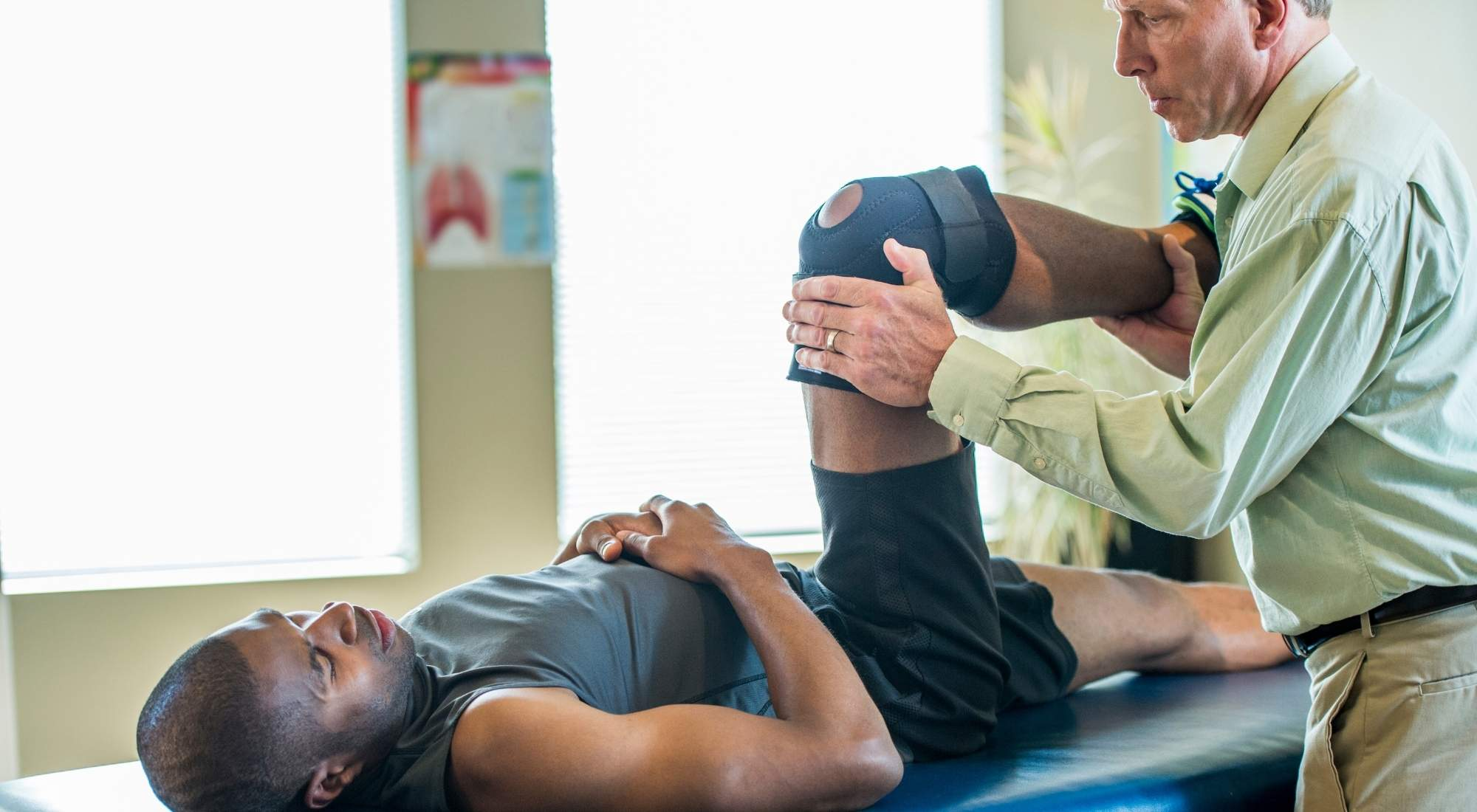
A medical consultation includes reviewing the incident that triggered symptoms, discussing work demands, and assessing posture and range of motion. If symptoms raise concern for joint or nerve involvement, imaging studies or nerve tests can help clarify the diagnosis. A medical provider may perform a physical exam using gentle pressure along the neck, shoulders, and upper back to help identify tender areas or muscle spasms. Once the cause and severity are clearer, clinicians outline next steps to support your recovery. Many patients with lingering symptoms receive a referral for physical therapy to build strength, restore motion, and improve posture.
Physiotherapists also teach body mechanics for driving, computer work, and sleep, tailoring sessions to your daily needs. Surgery is reserved for structural problems that don’t respond to conservative care, including significant nerve compression or instability. The goal is to match the level of intervention to the specific findings, not to rely on a single approach for every neck injury.
Reduce Whiplash Pain Today
Getting support for neck pain protects your long-term mobility, and early treatment plans often offer more management options. Resting briefly, using cold and heat wisely, and taking over-the-counter medications as directed all play a role. If symptoms linger or limit daily activities, a professional assessment helps identify whether physical therapy or other treatments are appropriate. Consistent at-home care, paired with timely medical advice when needed, gives your neck time to recover from whiplash-related strain. To start discussing your supportive options, contact a specialist like a chiropractor to learn about your neck health.