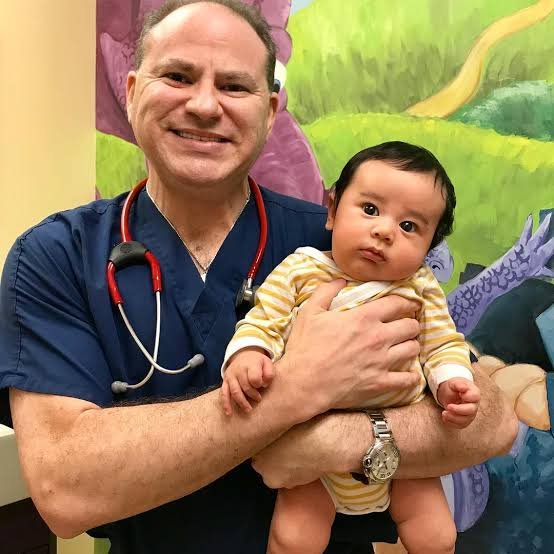
When a child develops a problem with their bones, joints, or muscles, parents can seek a provider who is able to help. The musculoskeletal system in children differs from that of adults in meaningful ways. Young bodies are still growing, and their bones, growth plates, and joints respond to injury and disease differently. A pediatric orthopedic surgeon is the type of specialist trained to care for these developing bodies.
What Is Pediatric Orthopedics?
A pediatric orthopedic surgeon is a medical doctor who focuses on the diagnosis and treatment of bone, joint, and muscle conditions in children, from newborns through the teenage years. These specialists complete training that centers on the growing musculoskeletal system, which sets their work apart from general orthopedic practice. Children are not simply small adults. Their bones contain growth plates; these are areas of developing tissue near the ends of long bones. These plates influence how a child grows and how injuries heal. A specialist who understands these differences can approach treatment in a way that accounts for a child’s ongoing development.
What Do They Treat?
Pediatric orthopedic surgeons address a broad range of conditions that affect the bones, joints, muscles, tendons, and ligaments in children. Some of these conditions are present at birth, and others develop over time or result from injury. Common conditions and injuries these specialists manage vary, including:
- Fractures, including injuries that involve the growth plate
- Injuries related to sports, such as sprains, strains, and ligament damage
- Hip conditions, including hip dysplasia in infants and young children
- Scoliosis, which is a sideways curvature of the spine
- Limb differences, including variations in length or alignment of the arms or legs
Because children’s bodies change quickly, some conditions are monitored over months or years. A specialist can track how a condition progresses and adjust the approach as a child grows.
What Services Do They Offer?
Pediatric orthopedic surgeons provide both surgical and non-surgical care. Some childhood conditions can be managed without an operation, and specialists often begin with the least invasive approach suitable for the situation. Services that these practices commonly provide range in their scope, including:
- Diagnostic evaluation, which may involve physical examinations and imaging such as X-rays to understand the condition
- Supportive casting, splinting, and bracing to help heal bones after a fracture and assist those with conditions such as scoliosis or certain hip disorders
- Physical therapy referrals to help restore strength, movement, and flexibility
- Non-surgical management, including monitoring, activity guidance, and supportive care
- Surgical treatment when a condition calls for it, ranging from procedures to repair fractures to corrective surgeries for structural concerns
- Follow-up care to observe healing and track a child’s growth over time
The goal of these services is to support healthy development and help children return to their daily activities.
Consult a Pediatric Orthopedic Surgeon
Caring for a child’s bones, joints, and muscles calls for expertise that reflects the way young bodies grow and heal. A pediatric orthopedic surgeon brings focused training in these areas. Whether a child has a recent injury, a condition noticed at birth, or a change in the way they move, this type of specialist can provide direction grounded in a child’s stage of development. Early evaluation gives a specialist the chance to monitor a child’s growth, and they may help support their long-term movement and comfort.
- Choosing a Heart Blockage Treatment Hospital: Emergency Care, Procedures and Long-Term Support
- Exploring the Benefits of Family Dentistry for All Ages
- The Role of TMS Therapy in Managing Anxiety Disorders
- The Role of Foot and Ankle Specialists in Sports Injury Recovery
- What To Expect During Your First Gynecologist Appointment